Drive through any new estate in Kisumu, Kakamega, Eldoret or Nairobi and you will see the same look again and again: neat tile-profile roofs in charcoal, brick red or forest green. Most of them are stone coated roofing tiles in Kenya, steel sheets pressed into a tile shape and finished with a layer of stone granules. They promise the appearance of a tiled roof with the light weight of mabati. But are they the right choice for your house, and what should you really expect to pay?
At West Kenya Real Estate Ltd we design and build homes across Western Kenya, so we see the decision from the drawing board to the last ridge cap. In this guide we set out the honest pros and cons, explain what drives stone coated tiles prices, and show how to compare brands. When you are ready to install, our engineering and construction partner, Marble Engineering and Construction Ltd, provides roofing services from Marble Engineering, from truss design to fixing and waterproofing.
Want a stone coated roof priced for your house plan? WhatsApp 0789 217 685
What are stone coated roofing tiles?
A stone coated tile is not a single clay or concrete tile. It is a steel sheet, protected against corrosion, pressed into a tile or shingle profile and coated with fine stone granules bonded to the surface. Each sheet covers the area of several conventional tiles, and the sheets are fixed to timber or steel battens with nails or screws.
Because the base is steel, the roof is far lighter than clay or concrete tiles. Because the surface is stone, it looks textured and matt rather than shiny, and it softens the drumming of heavy rain compared with plain mabati.
Pros of stone coated roofing tiles in Kenya
- Light weight. Much lighter than concrete or clay tiles, so trusses and walls carry less load. This can reduce timber sizes and suits renovations where the old structure cannot take heavy tiles.
- Tiled appearance. You get the look of a tiled roof, which many owners and buyers prefer for maisonettes and bungalows.
- Long life when well installed. Leading products carry long warranties. Mabati Rolling Mills, for example, lists a 50-year warranty for its Versatile Classic stone coated tile and Stone Coated Shingle on its Lifestile product page.
- Quieter in heavy rain. The granule layer dampens rain noise better than bare iron sheets, which matters in the Lake Victoria region’s storms.
- Fewer broken tiles. Steel sheets do not crack like clay or concrete tiles when someone steps on them or a branch falls.
Cons and risks to plan for
- Higher upfront cost than ordinary mabati. You pay more for the steel profile, granules and accessories.
- Skilled installation is essential. Batten spacing, overlaps, valleys and ridge details must follow the manufacturer’s guide. Poor fixing is the main cause of leaks.
- Cut edges need care. Where sheets are cut, exposed steel should be treated as the manufacturer recommends, or rust can start at the edges.
- Granule loss over time. Some granules wash off, especially in the first rains. Excessive loss on cheap imports is a warning sign of poor bonding.
- Accessories add up. Ridges, hip caps, barge covers, valley flashings and fixings are priced separately and can be a large share of the bill.
Stone coated tiles price and cost: what drives it
Prices change with steel costs, brand and thickness, so treat any figure as a guide and get a current quotation. As one example, a Nairobi hardware supplier’s roofing materials comparison lists stone coated sheets at about KES 1,500 to 2,700 per piece. Always confirm what a “piece” covers, because tile sizes differ between brands.
The total stone coated tiles cost for a house depends far more on the roof than on the sheet price alone:
| Cost driver | Why it matters |
|---|---|
| Roof area and pitch | A steeper roof has more surface area than the floor plan suggests. |
| Roof shape | Hips and valleys mean more cutting, waste and accessories than a simple gable. |
| Steel thickness | Thicker sheets resist dents and usually carry longer warranties, at a higher price. |
| Brand and warranty | Established local brands cost more than unbranded imports but offer traceable warranties. |
| Accessories | Ridge and hip caps, flashings, valley gutters and fixings. |
| Structure | Trusses, battens and treatment, priced separately from the covering. |
| Labour and transport | Skilled fixers and delivery to the site, especially for rural plots. |
For a wider view of covering options and budgets, see our guides to roofing tiles prices in Kenya and the types and cost of roofing a 3 bedroom house.
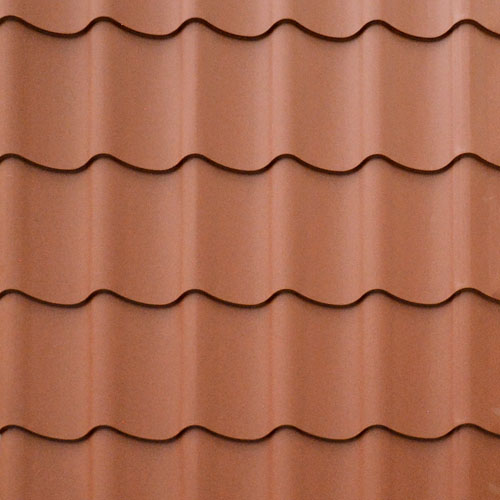
Comparing roofing tiles brands
Several roofing tiles brands are sold in Kenya, from local manufacturers to imported products. Mabati Rolling Mills’ Lifestile range, for instance, includes Versatile Classic, Orientile and Elegantile tile profiles and a Stone Coated Shingle, with stated steel thicknesses from 0.30 mm up to 0.50 mm depending on the profile. Decra is another name many Kenyan homeowners know; we covered it in our article on Decra roofing tiles in Kenya.
Rather than choosing on name alone, compare brands on these points:
- Steel thickness actually supplied, written on the invoice.
- Length and terms of the warranty, and whether it requires installation by approved fixers.
- Colour range and availability of matching accessories in your town.
- Local stock, so that you can get extra sheets for repairs or extensions later.
- A printed installation guide showing batten spacing and minimum roof pitch.
Stone coated vs other roofing options
| Option | Weight on structure | Look | Main watch-out |
|---|---|---|---|
| Stone coated steel tiles | Light | Textured tile look | Needs skilled fixing and good accessories |
| Plain or tile-profile mabati | Light | Smooth, can be noisy in rain | Lower cost but more rain noise |
| Concrete tiles | Heavy | Traditional tiled roof | Stronger trusses needed; tiles can crack |
| Clay tiles | Heavy | Classic, natural colour | Weight, breakage and higher labour |
What to check before you order
- Get the roof designed with the truss layout, pitch and overhangs on the drawings.
- Have the quantities taken off the roof plan, including waste and every accessory.
- Confirm the batten size, spacing and treatment for your chosen profile.
- Plan gutters and downpipes early; Western Kenya downpours need generous capacity.
- Keep the warranty, invoices and colour code safely for future repairs.
Frequently asked questions
Are stone coated roofing tiles better than mabati?
They cost more but give a tiled appearance and quieter performance in rain. If budget is tight, quality mabati is a sound choice; if appearance and noise matter, stone coated tiles are usually worth the extra cost.
How long do stone coated roofing tiles last in Kenya?
Lifespan depends on the product and the installation. Some local products carry warranties of up to 50 years, but the warranty usually depends on correct fixing and maintenance.
Can I put stone coated tiles on an old roof structure?
Often yes, because they are light, but the trusses and battens should be inspected first for rot, termites and sagging before the new covering goes on.
Get your stone coated roof designed and installed right
Share your house plan or photos of your current roof and we will advise on the best profile, quantities and budget. Installation is handled with our engineering and construction partner through professional roofing services by Marble Engineering, covering trusses, covering, gutters and waterproofing.
Or call 0789 217 685 / 0724 481 087.

