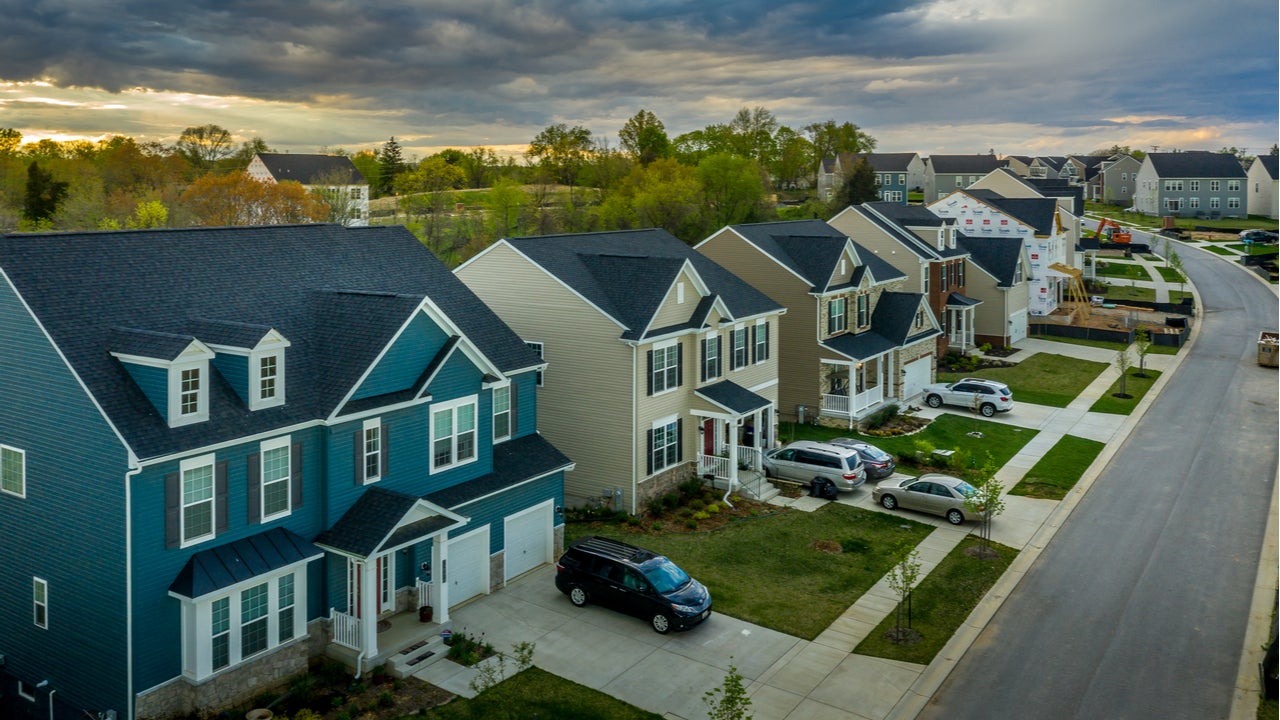
For many Kenyans, the first permanent home is built not on a plot bought in town but on the family land upcountry — the shamba where parents live, or a portion of land a grandfather left to his sons. Building on family or ancestral land in Kenya saves the cost of buying land, but it brings its own risks: the title may still be in a deceased parent’s name, siblings may not agree where each house goes, and boundaries are often marked only by memory and a row of trees.
This guide explains what to check and sort out before the first trench is dug, so your house stands on land that is clearly yours. It complements our land buying process in Kenya guide, which covers land you buy from someone outside the family.
Planning to build on family land? Get a free building quote from our team: WhatsApp 0789 217 685
Why family land needs the same checks as bought land
Disputes over family land are among the most common land cases in Kenya, and they often surface after someone has put up a permanent house. A building is expensive to move. If a relative later challenges your right to that portion, you could face years of family meetings, chief’s barazas or court cases — and a house you cannot sell, mortgage or even finish with confidence. A few weeks of paperwork before construction is far cheaper.
Step 1: Find out whose name is on the title
Start with a copy of the title deed and an official search at the land registry that covers the area. The search tells you the registered owner and whether there are cautions, charges (loans) or restrictions. The Ministry of Lands lists the land registries and its digital land services on its website. You will usually find one of these situations:
- The title is in a living parent’s name. The parent can give you a portion, but it should be formalised by subdivision and transfer, or at the very least by a written, witnessed gift agreement while the process is completed.
- The title is in a deceased parent’s or grandparent’s name. Nobody can legally transfer or subdivide it until succession is done (see Step 2).
- The land has never been registered or adjudicated. Common in some rural areas. Find out from the local land adjudication or survey office what stage the area is at, and get your portion recognised in that process.
- The title is already in your name. Ideal. Confirm the search is clean and move to the boundary and approval checks.
Step 2: Complete succession if the owner has died
When the registered owner has died, the land forms part of their estate under the Law of Succession Act. The family petitions the court for a grant of representation, the administrators are appointed, and the grant is later confirmed with a schedule showing how the land is shared among the beneficiaries. Only after confirmation can the land registry transfer portions into each beneficiary’s name. An advocate who handles succession matters will guide you through the forms and the court process.
Many families delay succession for years because it feels expensive or emotional. If you plan to build a permanent house, push for it early. Building on an undistributed estate leaves your investment exposed if the beneficiaries later agree on a different distribution.

Step 3: Agree the portion with the family — in writing
Even where everyone is on good terms, record the agreement. Hold a family meeting, mark on a sketch which portion is yours and where access roads and shared areas (graves, water points, the homestead) will be, and have the adult family members sign. Many families also involve the area chief or clan elders as witnesses. This document does not replace a title, but it is strong evidence of what was agreed and helps the surveyor and the land control board later.
Step 4: Subdivide and survey your portion
- Engage a licensed surveyor to prepare a subdivision scheme showing each portion and the access road.
- Get land control board consent — subdivision and transfer of agricultural land normally require consent from the local land control board.
- Approval of the scheme by the county physical planning office, then registration of the new parcels and issue of separate titles.
- Place beacons on the ground and make sure every neighbour, including relatives, sees where they are.
Our guide to land checks before construction in Kenya lists further site checks — soil, drainage, access and power — that apply whether the land was bought or inherited.
Step 5: Building approval still applies upcountry
A common belief is that rural homes do not need approved plans. Counties expect development on any land to follow their planning rules, and an approved set of drawings protects you in other ways too: the contractor builds from a proper structural design, you can apply for power and water connections with fewer questions, and a bank or valuer can later rely on the documents. County planning departments, such as Kisumu County’s Lands, Physical Planning, Housing and Urban Development department, handle development control in their areas. See our full list of permits required before building in Kenya.
Step 6: Think about financing early
If you hope to use a bank or SACCO loan for construction, the lender will normally want the title in your name so it can take a charge over the property. Land still in a parent’s or deceased grandparent’s name usually cannot be used as security. That is one more reason to finish succession and subdivision before you build, rather than trying to sort the paperwork mid-project when cash runs short.
Choosing a house design for the family plot
Family plots are often generous in size but shared with other homes, so a single-storey design that sits comfortably beside the parents’ house is a popular choice. A simple plan such as this 3-bedroom bungalow design (WKRE062) suits a growing family, while a 2-bedroom bungalow (WKRE058) works well as a retirement home or for parents moving out of an old house. Our video below shows one family’s journey into their new home.
Checklist before you build on family land
- Copy of the title and a recent official search.
- Succession completed and grant confirmed (if the owner has died).
- Signed family agreement showing your portion.
- Subdivision approved, land control board consent obtained and your own title issued.
- Beacons placed and shown to neighbours.
- Approved architectural and structural drawings.
- Access road, water and power connection agreed with the family.
- A contractor contract with a clear scope, Bill of Quantities and stage payments.
Common mistakes
- Building on a verbal promise from a parent, then facing objections from siblings after the parent dies.
- Placing the house across a future boundary or on the only access route to another relative’s portion.
- Starting construction while succession is still pending in court.
- Skipping approved drawings because the land is rural, then struggling with power connection, loans or resale.
- Building in phases with no plan, leaving an unfinished structure exposed to the weather for years.
Building from abroad? Our sister site has a step-by-step guide to building a house in Kenya from the diaspora, including how to manage a project on family land when you cannot be on site.
Ready to build your home on the family land?
Tell us where the land is, the house size you want and your budget. We prepare the drawings, help with approvals and build, with offices in Kisumu and Nairobi.
Or call 0789 217 685 / 0724 481 087.