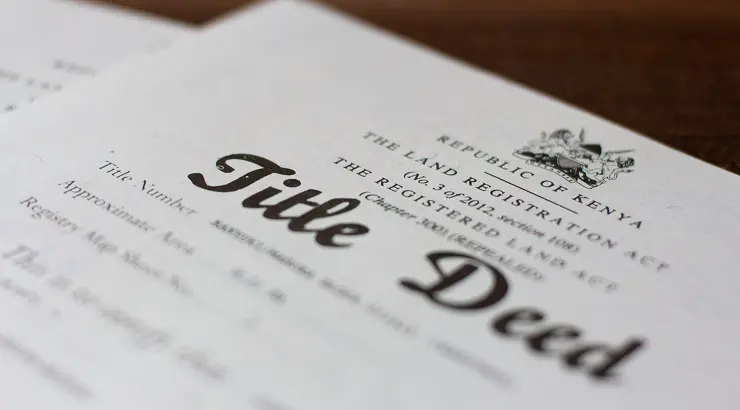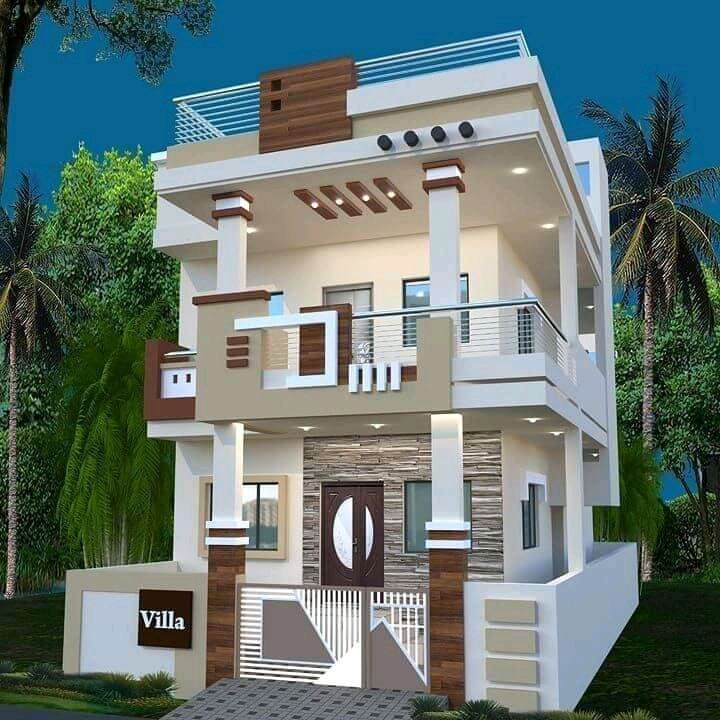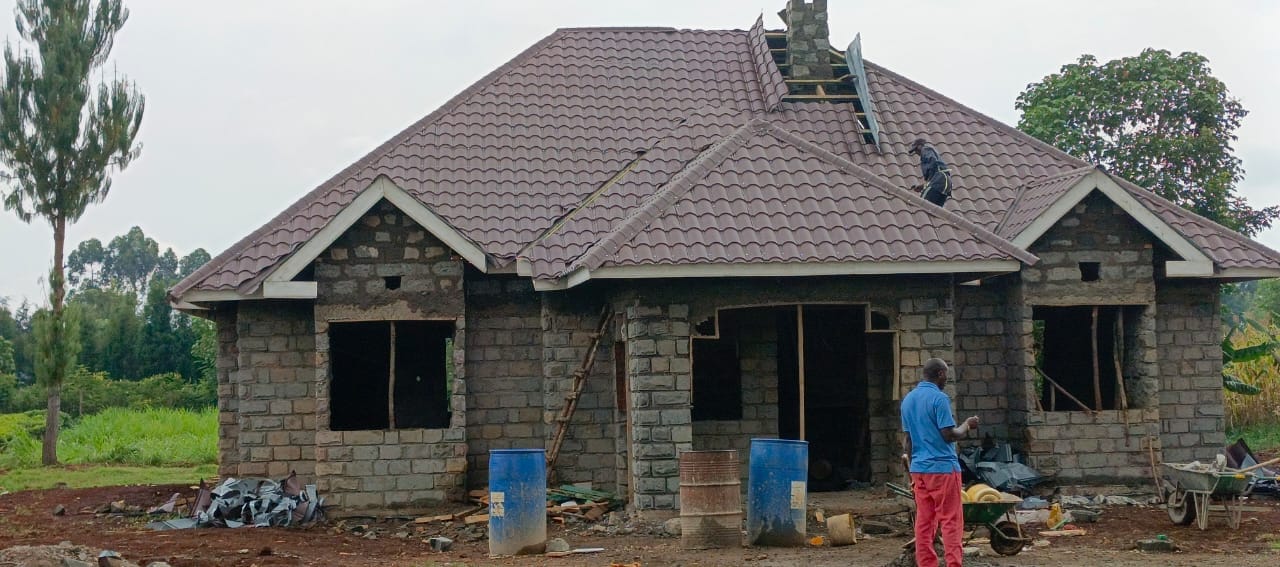
Explore 3 bedroom house plans in Kenya with updated 2026 cost estimates, designs, plot sizes, and construction guide to help you build smart and affordably.
Introduction
A 3-bedroom house plan in Kenya is one of the most practical and widely adopted residential designs, consisting of a layout that typically includes three bedrooms (one master ensuite and two additional bedrooms), a living room, kitchen, dining area, bathrooms, and sometimes extra spaces such as a DSQ (domestic staff quarter), porch, or laundry area. These plans are designed to balance comfort, functionality, and affordability, making them ideal for both urban and rural settings.
In Kenya, the 3-bedroom house remains the most popular housing choice because it perfectly fits the needs of the average family while remaining cost-effective to build and maintain. It offers enough space for privacy and daily living without the high construction and land demands associated with larger homes. This makes it especially attractive in fast-growing residential areas such as Nairobi suburbs and satellite towns.
This guide is designed for homeowners, real estate investors, and first-time builders who want a clear understanding of how to plan and budget for a 3-bedroom house in Kenya. Whether you are building your first home, investing in rental units, or upgrading from a smaller house, this article will help you make informed decisions.
Inside this guide, you will learn about:
- Different 3-bedroom house designs in Kenya
- Updated construction costs in Kenya (2026 estimates)
- Recommended plot sizes for different layouts
- A detailed construction cost breakdown
- Common mistakes to avoid before building
By the end, you will have a complete understanding of 3-bedroom house plans, costs in Kenya, and 2026 construction expectations, helping you plan your project with confidence and avoid costly mistakes.
Why 3 Bedroom Houses Are the Most Popular in Kenya
The 3-bedroom house plan in Kenya has become the most preferred housing option because it perfectly matches the needs of the average Kenyan family. Most households consist of parents and one to three children, making a three-bedroom layout ideal for providing both comfort and privacy without unnecessary extra space.
One of the main reasons for its popularity is the balance between affordability and space. Compared to 4-bedroom homes, 3-bedroom houses require less land, lower construction costs, and reduced maintenance, while still offering enough room for daily living. This makes them a practical choice for middle-income earners and first-time homeowners.
Demand also varies between urban and rural areas. In urban centers like Nairobi and surrounding satellite towns, 3-bedroom maisonettes are preferred due to limited land sizes. In rural areas, bungalows are more common because land is more available and affordable.
From an investment perspective, 3-bedroom houses have strong rental and resale value. They attract stable tenants such as small families and professionals, ensuring consistent income for property investors.
When compared to 2-bedroom units, 3-bedroom homes offer better long-term flexibility and value. On the other hand, 4-bedroom houses, while more spacious, are often more expensive to build and maintain, making them less accessible for many homeowners. This balance is what keeps the 3-bedroom house the most in-demand housing type in Kenya.
Types of 3 Bedroom House Plans in Kenya
There are several 3-bedroom house plans in Kenya, each designed to suit different budgets, plot sizes, and lifestyle preferences. Choosing the right design is important because it directly affects construction cost, space utilization, and long-term comfort.
Bungalow Designs
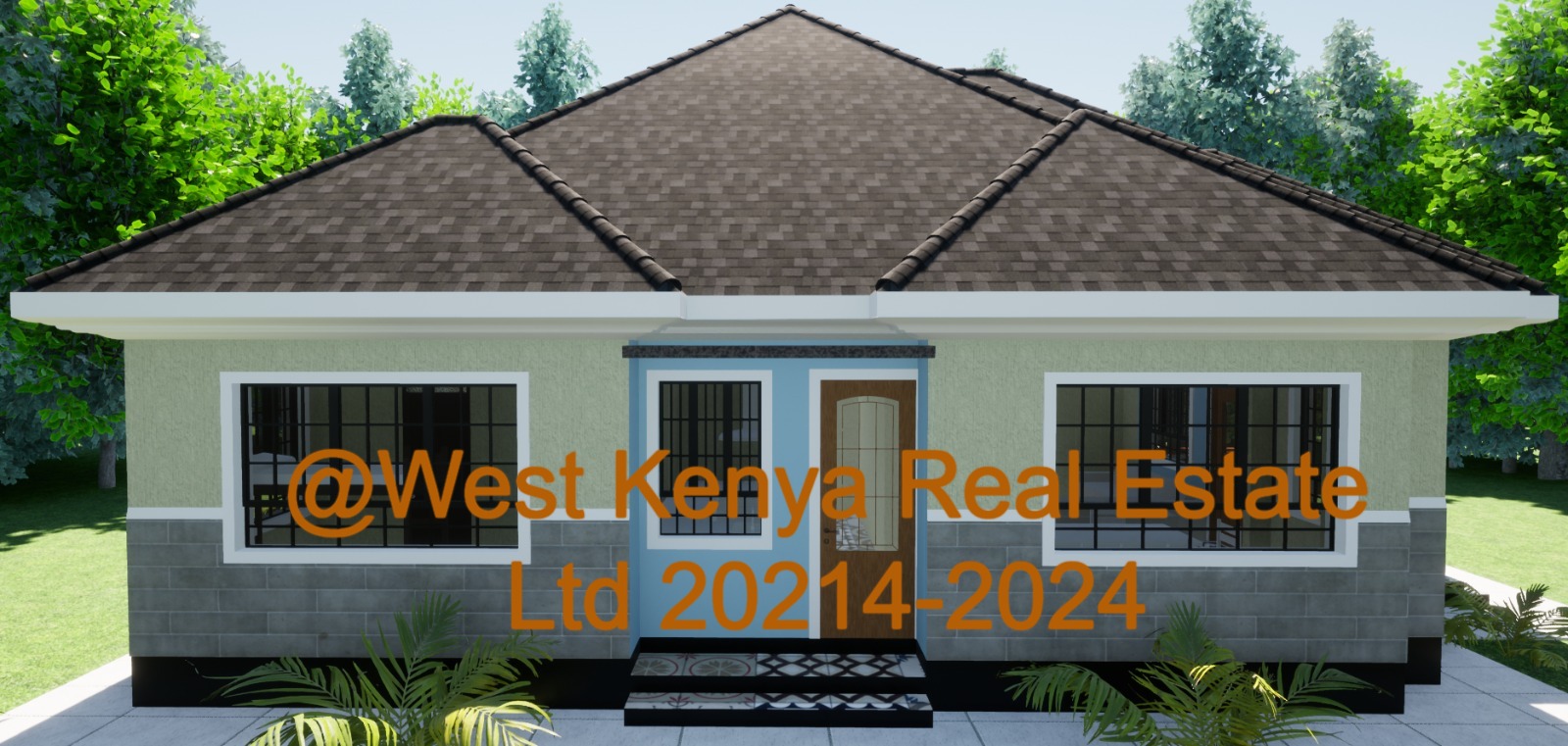
Bungalow 3-bedroom houses are the most common type in Kenya. They feature a simple single-storey layout, making them easy and affordable to construct. All rooms are located on one level, which improves accessibility, especially for families with children or elderly members. These designs are best suited for 50×100 plots, where there is enough space for a small garden, parking, and even a DSQ. Their biggest advantage is the lower construction cost and faster completion time compared to other designs.

Maisonette Designs
Maisonettes are two-storey 3-bedroom house plans, ideal for homeowners working with limited land. They are commonly built on 40×80 plots or smaller urban plots where space is restricted. By building vertically, maisonettes maximize living space while leaving room for parking or a small compound. Although they are more expensive due to structural requirements, they offer better space efficiency and modern appeal.
Open Plan Modern Designs
Open plan layouts combine the kitchen, dining, and living areas into one spacious flow, creating a modern and stylish interior. These designs are highly popular in urban areas such as Nairobi and surrounding suburbs. They enhance natural lighting, improve ventilation, and create a sense of larger living space, even in compact homes.
L-Shaped & Courtyard Designs
L-shaped and courtyard-style 3-bedroom houses focus on privacy and aesthetics. They are ideal for homeowners seeking luxury or semi-luxury homes. These designs allow for private outdoor spaces such as internal gardens or courtyards, making them perfect for relaxation and family gatherings. They are often used in high-end residential developments and larger plots where design flexibility is possible.
Key Design Considerations Before Choosing a Plan
Before selecting a 3-bedroom house plan in Kenya, it is important to evaluate several design factors that will influence comfort, functionality, and long-term value. A well-thought-out plan ensures that your home meets both current and future needs while avoiding costly modifications later.
One of the first considerations is family size and future expansion. A good design should not only accommodate your current household but also allow for growth, such as additional children or extended family members.
Another important factor is DSQ (Domestic Staff Quarters) inclusion. Many Kenyan homeowners prefer incorporating a DSQ for house help or rental purposes, especially in suburban and urban developments.
Parking space is also essential. Depending on your lifestyle, you may need a carport or enclosed garage. This should be integrated into the design early to avoid space constraints during construction.
Standard room sizing in Kenya must also be observed. Bedrooms, kitchens, and living areas should follow practical proportions to ensure comfort and functionality without wasting space.
Proper ventilation and natural lighting are critical for healthy living. Well-placed windows improve airflow, reduce dampness, and enhance energy efficiency by minimizing the need for artificial lighting during the day.
Finally, energy efficiency considerations such as orientation of the house, roofing materials, and insulation can significantly reduce long-term utility costs. A well-designed house should maximize natural resources while minimizing energy consumption.
Carefully considering these factors ensures that your 3-bedroom house plan is not only beautiful but also practical, efficient, and future-ready.
Plot Size Guide for 3 Bedroom Houses in Kenya
Choosing the right plot size is a critical step when planning a 3-bedroom house in Kenya, as it determines the type of design you can build, available outdoor space, and overall comfort of the home.
30×60 ft Plots
A 30×60 ft plot is quite compact and is mostly suitable for modern maisonette designs. Because of the limited space, building vertically is the best option. Outdoor areas such as gardens or parking are usually minimal or fully integrated into the structure. This type of plot is common in highly urbanized areas where land is expensive and scarce.
40×80 ft Plots
The 40×80 ft plot offers a more balanced option, making it ideal for modern 3-bedroom maisonettes. It allows for better planning flexibility, including small parking spaces and a modest compound. Homeowners can still achieve a stylish design while maximizing available land efficiently.
50×100 ft Plots
This is the most popular and recommended plot size for 3-bedroom bungalow house plans in Kenya. It provides enough space for a spacious home layout, parking area, small garden, and even a DSQ if needed. It also allows better ventilation and future expansion possibilities.

Rural or Large Plots
In rural areas or large land parcels, homeowners have complete flexibility in design. You can build expansive luxury bungalows, maisonettes, or L-shaped homes with courtyards, gardens, and extra facilities. These plots offer the highest level of customization and long-term expansion potential.
Cost of Building a 3 Bedroom House in Kenya (2026 Breakdown)
Understanding the cost of building a 3-bedroom house in Kenya (2026 estimates) is essential for proper planning and budgeting. Construction costs vary depending on location, design complexity, material choices, and finishing level. A clear breakdown helps homeowners avoid financial surprises and ensures smooth project execution.
Overall Cost Range
The total cost of building a 3-bedroom house in Kenya typically falls within the following ranges:
- Basic finish: KES 2.5M – 4M
- Standard finish: KES 4M – 7M
- High-end finish: KES 7M – 12M+
A basic home includes simple finishes such as basic tiles, standard roofing sheets, and minimal decorative work. A standard home is the most common and includes better quality finishes, fitted kitchen spaces, and improved aesthetics. A high-end house features luxury finishes such as gypsum ceilings, modern lighting, premium flooring, and customized architectural details.
Cost Breakdown by Stage
Construction costs are usually divided into major stages, each consuming a percentage of the total budget:
- Foundation (10–15%) – Includes excavation, hardcore filling, concrete work, and reinforcement. Soil type significantly affects this stage.
- Walling (15–20%) – Covers blockwork, cement, sand, and labor for structural walls.
- Roofing (10–15%) – Includes timber or steel trusses, roofing sheets, and installation.
- Finishes (20–30%) – The most expensive stage, covering flooring, painting, ceilings, doors, windows, and fittings.
- Electrical & Plumbing (10–15%) – Wiring, lighting points, drainage, water piping, and sanitary installations.
- External Works (5–10%) – Includes paving, septic tanks, water storage systems, fencing, and landscaping.
Regional Cost Differences
Construction costs in Kenya vary significantly depending on location:
- Nairobi and major cities tend to have higher labor and material costs due to demand and logistics.
- Satellite towns like Ruiru, Kitengela, and Thika offer more affordable construction options while still maintaining access to urban services.
- Rural areas generally have lower labor costs and cheaper land preparation, but material transportation may increase expenses depending on distance from suppliers.
Hidden Costs Often Ignored
Many homeowners underestimate additional costs that are not included in basic construction estimates. These include:
- Approvals and permits such as county government approvals and NCA compliance fees.
- Professional fees for architects, structural engineers, and quantity surveyors (QS).
- Site development costs like fencing, septic tank installation, water storage tanks, and connection of utilities such as electricity and water.
Properly accounting for all these costs ensures your 3-bedroom house plan in Kenya is realistic, fully funded, and free from unexpected delays during construction.
Cost Per Square Metre Explained
The cost per square metre in Kenya is one of the most reliable ways to estimate the total budget for a 3-bedroom house plan. In 2026, the average construction rate ranges between KES 35,000 and KES 80,000 per m², depending on design quality, location, and level of finishes.
Several key factors influence this rate. The first is the finish level. Basic finishes such as simple tiles, standard paint, and basic fittings fall on the lower end of the scale, while modern luxury finishes like gypsum ceilings, imported tiles, and custom cabinetry significantly increase the cost per square metre.
The second factor is material choice. Locally sourced materials are more affordable, while imported or premium materials raise the overall construction cost. Even small choices, such as roofing type or window frames, can impact the final budget.
The third factor is the type of contractor used. Experienced, professional contractors may charge more but often deliver better quality and fewer costly mistakes compared to unskilled labor.
- For example, a typical 100–150m² 3-bedroom house would cost:
- Low-end: 100m² × 35,000 = KES 3.5M
- Mid-range: 120m² × 55,000 = KES 6.6M
- High-end: 150m² × 80,000 = KES 12M
- This method gives homeowners a realistic and flexible way to estimate construction costs before starting their project.
Bungalow vs Maisonette: Which Is Better?
Choosing between a bungalow and a maisonette 3-bedroom house plan in Kenya depends largely on your budget, land size, lifestyle needs, and long-term goals. Both designs are popular, but each offers distinct advantages.
| Factor | Bungalow | Maisonette |
| Cost | Lower construction cost due to simpler structure | Higher due to structural reinforcement and stairs |
| Land use | Requires more horizontal space | More space-efficient (builds vertically) |
| Privacy | Moderate privacy since all rooms are on one level | High privacy with bedrooms often upstairs |
| Construction time | Faster to build | Takes longer due to complexity |
A bungalow 3-bedroom house plan is ideal for homeowners with enough land, especially on 50×100 plots or larger. It offers easy accessibility, simple maintenance, and lower overall construction costs. This makes it a great option for families looking for affordability and convenience.
On the other hand, a maisonette 3-bedroom house plan is best suited for smaller plots such as 30×60 or 40×80, where land space is limited. By building upward, maisonettes maximize usable space while maintaining a modern and stylish appearance. They are also preferred in urban areas where land is expensive.
Best Choice Recommendation
- Choose a bungalow if you have enough land, want lower costs, and prefer simplicity.
- Choose a maisonette if you have limited land, want modern design appeal, and value privacy.
Ultimately, the best option depends on your budget, plot size, and long-term housing needs, making careful planning essential before construction begins.
Factors That Affect Construction Cost in Kenya
The cost of building a 3-bedroom house in Kenya is influenced by several important factors. Understanding these variables helps homeowners create realistic budgets and avoid unexpected financial strain during construction.
One of the biggest factors is location. Construction in urban areas such as Nairobi and its surroundings is generally more expensive due to higher labour charges, transport costs, and increased demand for materials. In contrast, rural areas often have lower labour costs, though material transportation may sometimes increase expenses depending on distance.
Another key factor is material prices. The cost of essential building materials such as cement, steel, sand, and timber fluctuates depending on market conditions, fuel prices, and supply chains. Even small price changes can significantly impact the total project cost.
Design complexity also plays a major role. Simple rectangular bungalow designs are more affordable to construct, while complex maisonettes with unique architectural features, curves, or multiple roof levels require more labour, materials, and time.
Labour costs vary depending on the skill level of workers and the region. Experienced masons and specialized tradespeople may charge more but often deliver better quality and efficiency.
The soil type and foundation depth can greatly affect costs. Weak or unstable soil may require deeper foundations, extra reinforcement, or soil stabilization, all of which increase expenses.
Contractor experience is another important factor. Highly experienced contractors may charge higher fees, but they reduce the risk of costly mistakes, delays, and poor workmanship.
Finally, the level of finishing significantly impacts the budget. Basic finishes are more affordable, while luxury finishes such as gypsum ceilings, imported tiles, and high-end fittings can double or even triple finishing costs.
All these factors combined determine the final cost of a 3-bedroom house plan in Kenya, making proper planning and professional guidance essential for successful construction.
Sample Budget Scenarios (300 words)
To better understand the cost of building a 3-bedroom house in Kenya (2026 estimates), it is helpful to look at practical budget scenarios. These categories show what homeowners can expect depending on their financial capacity and finishing preferences.
Low Budget Home (KES 2.5M – 4M)
This is the most affordable category and is ideal for homeowners working with a tight budget. The design is usually simple, with a compact layout and minimal architectural complexity. Finishes are basic, including standard floor screeding or low-cost tiles, simple roofing sheets, and basic paintwork. Fittings such as doors, windows, and kitchen setups are kept minimal to reduce costs. This option prioritizes functionality over luxury and is commonly used in rural areas or starter homes.
Mid-Range Home (KES 4M – 7M)
This is the most popular category for 3-bedroom house plans in Kenya. It offers a balance between affordability and modern comfort. Homes in this range typically feature tiled floors, a fitted kitchen, improved ceiling finishes, and better-quality doors and windows. The roofing is more durable, and the overall design is more refined. Many homeowners in satellite towns like Kitengela, Ruiru, and Thika fall into this category. It provides long-term comfort, better aesthetics, and higher resale value.
High-End Home (KES 7M – 12M+)
This category represents modern and luxury living. These homes often include architectural enhancements such as open-plan layouts, large windows, and stylish roofing designs. Interiors may feature gypsum ceilings, imported tiles, granite countertops, and custom lighting. Bedrooms are typically ensuite, and additional features like DSQ, carports, and landscaped compounds are common. This level focuses on comfort, elegance, and premium lifestyle living.
These budget scenarios help homeowners align their 3-bedroom house plans in Kenya with realistic financial expectations before starting construction.
Common Mistakes to Avoid When Building
When planning a 3-bedroom house in Kenya, many homeowners make costly mistakes that can delay construction or significantly increase the overall budget. Avoiding these errors is key to ensuring a smooth and successful building process.
One of the most common mistakes is starting construction without a Bill of Quantities (BOQ). Without a BOQ, it becomes difficult to accurately estimate costs, leading to budget overruns and unfinished projects.
Another major mistake is ignoring soil testing. Different soil types require different foundation designs, and failing to test the soil can result in structural problems or unexpected foundation costs later.
Choosing unqualified or inexperienced contractors is also risky. Poor workmanship often leads to structural defects, delays, and expensive repairs. Always verify credentials and previous work before hiring.
Many homeowners also underestimate finishing costs, assuming that the main structure will consume most of the budget. In reality, finishes such as tiles, ceilings, and fittings can take up a large portion of the total cost.
Poor space planning is another frequent issue. A poorly designed layout can lead to wasted space, uncomfortable room sizes, and inefficient movement within the house.
Finally, skipping required approvals and permits from county authorities and regulatory bodies can lead to fines, demolition risks, or legal delays.
Avoiding these mistakes ensures your 3-bedroom house plan in Kenya is cost-effective, structurally sound, and successfully completed within budget and timeline.
Conclusion + Call to Action
In conclusion, planning and building a 3-bedroom house in Kenya (2026 guide) requires a clear understanding of design options, cost expectations, and proper construction planning. As highlighted in this guide, the cost of building a 3-bedroom house can range from KES 2.5 million to over KES 12 million, depending on the level of finishes, location, and design complexity.
Choosing the right plot size is equally important. A 50×100 ft plot is ideal for most bungalow designs, while 40×80 ft and 30×60 ft plots are better suited for modern maisonette layouts. Proper planning ensures that your house fits well within the available land while maintaining comfort, functionality, and future expansion potential.
Most importantly, successful construction depends on careful preparation, including budgeting, professional design, and avoiding costly mistakes such as skipping BOQs, ignoring soil tests, or hiring unqualified contractors. With the right approach, building a home becomes a smooth and rewarding process rather than a stressful one.
Whether you are a first-time homeowner or an investor, smart planning is the foundation of a successful project.
📞 CALL TO ACTION (SEO + CONVERSION FOCUSED)
Ready to build your dream 3-bedroom house in Kenya?
Get professional support for:
✔️ Architectural house designs
✔️ Accurate Bills of Quantities (BOQ)
✔️ County approvals & permits
✔️ Full construction consultation
Start your project today and avoid costly construction mistakes.
📱 0724481087 / 0789217685
📧 info@westkenyarealestate.com