Learn when you need an EIA report in Kenya, the legal requirements under EMCA, NEMA approval process, costs, types of studies, and common mistakes developers make. Discover how Environmental Impact Assessment ensures compliance, protects the environment, and supports successful construction and development projects.
Introduction
Environmental Impact Assessment (EIA) is a process used to evaluate the potential environmental, social, and economic effects of a proposed project before development begins. In Kenya, EIA reports are essential for ensuring that construction, industrial, infrastructure, and commercial projects are carried out responsibly and sustainably without causing significant harm to the environment or nearby communities.
The importance of EIA reports in Kenya has continued to grow due to rapid urbanization, increased construction activities, and stricter environmental regulations. The National Environment Management Authority (NEMA), which is the main environmental regulatory body in Kenya, oversees the EIA approval process and ensures that projects comply with the Environmental Management and Coordination Act (EMCA).
Developers, investors, contractors, architects, and landowners must understand EIA requirements before starting any major project. Failure to obtain the required EIA approval can result in heavy fines, project suspension, demolition orders, or legal action by authorities.
In many construction and development projects across Kenya, obtaining EIA approval from National Environment Management Authority is mandatory before any work begins. Understanding when an EIA report is needed helps project owners avoid costly delays, legal disputes, and environmental risks while supporting sustainable development goals.
What Is an EIA Report?
An Environmental Impact Assessment (EIA) report is a detailed document prepared to evaluate the possible environmental and social effects of a proposed project before construction or implementation begins. The assessment helps determine whether a project may negatively affect the environment, nearby communities, natural resources, or public health, and recommends measures to reduce or manage those impacts.
In Kenya, EIA reports are required for many development projects under the Environmental Management and Coordination Act (EMCA). The report is submitted to National Environment Management Authority for review and approval before a project can proceed legally.
The main purpose of an EIA report is to ensure that development activities are carried out responsibly and sustainably. It helps developers identify environmental risks early, comply with legal requirements, and avoid future conflicts, penalties, or costly environmental damage.
An EIA report is different from an Environmental Audit (EA). An EIA is conducted before a project starts to predict potential impacts and propose mitigation measures. On the other hand, an Environmental Audit is conducted after a project has already begun operations to evaluate whether it complies with environmental regulations and approved mitigation measures.
The key objectives of Environmental Impact Assessment include:
- Protecting the environment from harmful development activities
- Promoting sustainable development and responsible resource use
- Reducing environmental and financial risks
- Protecting nearby communities and public health
- Improving project planning and decision-making
During the assessment process, experts evaluate several possible impacts associated with the project, including:
- Air pollution and dust emissions
- Noise and vibration pollution
- Waste generation and disposal methods
- Water contamination and drainage issues
- Social and economic impacts on local communities
- Loss of vegetation, wildlife habitats, and biodiversity
EIA is widely considered a preventive planning tool because it identifies environmental problems before they occur rather than trying to fix damage after a project is completed. This proactive approach helps governments, developers, and communities make informed decisions that balance economic growth with environmental conservation.
The Legal Framework Governing EIA Reports in Kenya
Environmental Impact Assessment (EIA) in Kenya is guided by a comprehensive legal and regulatory framework designed to protect the environment while supporting sustainable development. These laws ensure that projects likely to affect the environment are carefully assessed before implementation to minimize environmental damage and protect public health.
The primary law governing environmental management in Kenya is the Environmental Management and Coordination Act (EMCA), which was enacted in 1999. EMCA established National Environment Management Authority as the main government agency responsible for supervising and coordinating environmental matters in the country. The Act provides the legal basis for conducting Environmental Impact Assessments and makes EIA approval mandatory for projects that may significantly affect the environment.
Under EMCA, the Environmental (Impact Assessment and Audit) Regulations of 2003 were introduced to provide detailed procedures for conducting EIA studies, preparing reports, public participation, licensing, environmental audits, and project monitoring. These regulations outline the steps developers and environmental experts must follow before projects can be approved.
Kenya’s Constitution also strengthens environmental protection. Article 42 of the Constitution guarantees every person the right to a clean and healthy environment. This constitutional provision places a legal responsibility on developers, government agencies, and individuals to avoid activities that may harm the environment or public welfare.
Several institutions play important roles in the EIA process:
Role of NEMA
National Environment Management Authority reviews EIA reports, coordinates environmental assessments, issues licenses, conducts inspections, and enforces compliance with environmental laws.
Role of County Governments
County governments oversee local physical planning, land use approvals, waste management, and development control within their jurisdictions. Many projects require county approvals alongside NEMA licensing.
Role of Lead Agencies
Lead agencies are specialized government institutions responsible for sector-specific oversight. Examples include water authorities, public health departments, forestry agencies, and energy regulators. These agencies provide technical input during the EIA review process.
The Second Schedule of EMCA lists projects that require Environmental Impact Assessment before implementation. These include major construction projects, roads, dams, industries, mining activities, power plants, large-scale agriculture, waste disposal facilities, and commercial developments.
Obtaining NEMA approval before starting a project is mandatory because it ensures environmental risks are identified and mitigation measures are put in place early. Beginning construction or operations without EIA approval is considered a violation of Kenyan environmental law.
Developers who fail to comply may face serious legal consequences, including:
- Stop orders issued by authorities
- Heavy fines and penalties
- Court cases and legal disputes
- Suspension or closure of projects
- Demolition of unauthorized developments
- Delays in obtaining occupancy or operational permits
These penalties highlight the importance of conducting proper Environmental Impact Assessments before implementing development projects in Kenya.
When Do You Need an EIA Report in Kenya?
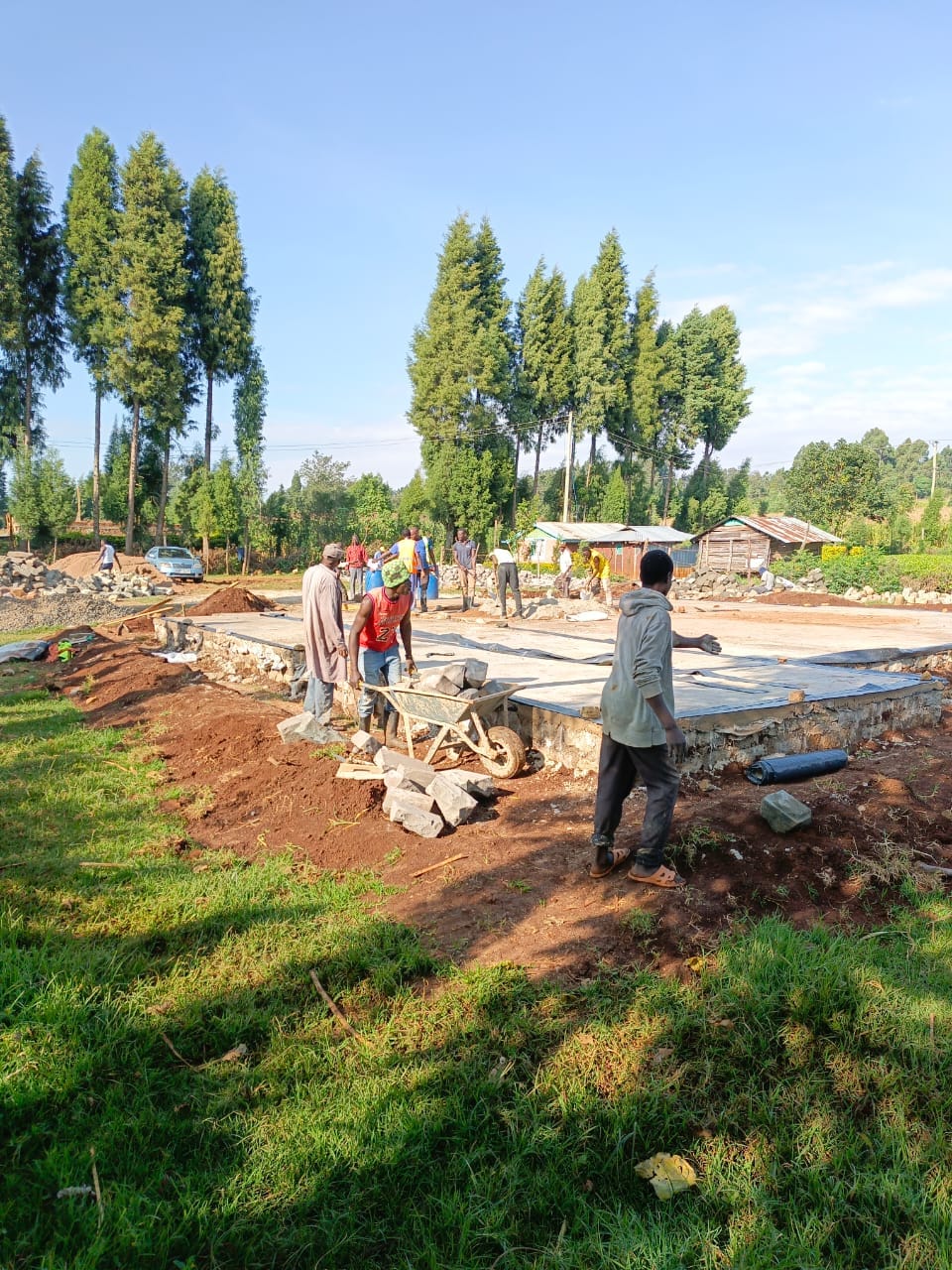
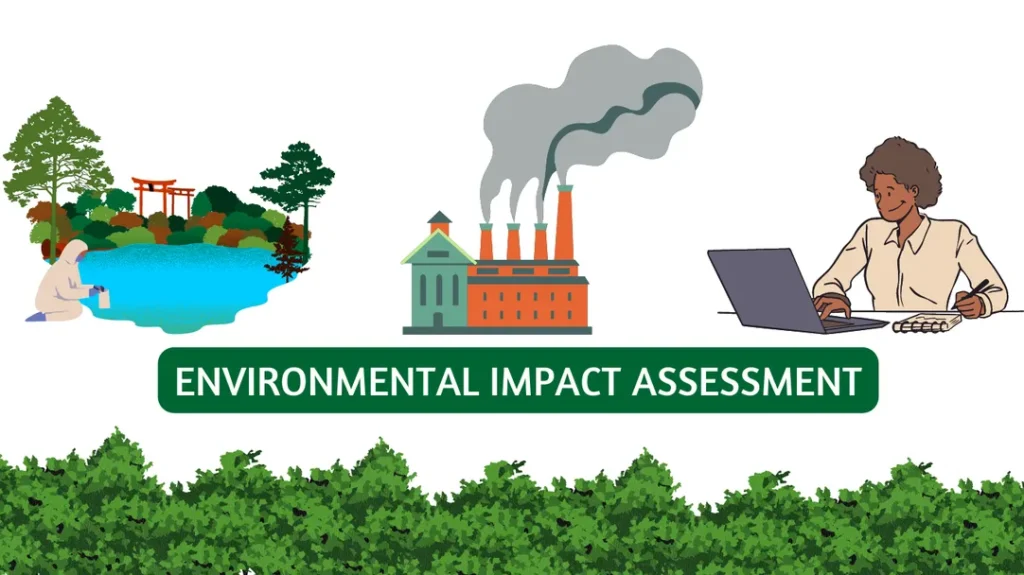
In Kenya, an Environmental Impact Assessment (EIA) report is required whenever a proposed project is likely to have significant effects on the environment, surrounding communities, public health, or natural resources. Under the Environmental Management and Coordination Act (EMCA), projects listed in the Second Schedule must undergo environmental assessment and obtain approval from National Environment Management Authority before implementation begins.
EIA requirements apply to a wide range of sectors, especially projects involving construction, industrial activities, infrastructure development, energy production, waste management, and resource extraction.
Construction Projects
Many building and real estate developments require EIA approval due to their potential impact on drainage systems, traffic, waste generation, noise pollution, and surrounding communities. Common construction projects that often require EIA reports include:
- Apartments and residential flats
- Maisonettes and gated communities
- Commercial office buildings
- Hotels and hospitality facilities
- Warehouses and storage facilities
- Shopping malls and mixed-use developments
For example, large apartment developments in urban areas such as Nairobi, Mombasa, and Kisumu typically require environmental assessment because of increased pressure on water supply, sewer systems, and transport infrastructure.
Infrastructure Projects
Major infrastructure developments usually have significant environmental and social impacts and therefore require detailed EIA studies. These include:
- Roads and highways
- Bridges and flyovers
- Railway projects
- Airports and airstrips
Such projects may affect ecosystems, settlements, drainage systems, forests, and wildlife habitats, making environmental review mandatory before construction begins.
Industrial Projects
Industrial activities are closely regulated because of risks associated with pollution, waste disposal, emissions, and chemical handling. EIA reports are commonly required for:
- Factories
- Food processing plants
- Cement manufacturing plants
- Manufacturing and assembly facilities
Industrial projects often require extensive environmental mitigation plans to manage air pollution, wastewater, hazardous waste, and worker safety.
Energy Projects
Energy-related developments can affect land use, biodiversity, water resources, and local communities. Projects requiring EIA approval include:
- Solar farms
- Wind energy projects
- Power generation plants
- Fuel stations and petroleum storage facilities
For instance, fuel stations require environmental review to assess risks related to underground fuel leakage, fire hazards, and groundwater contamination.
Agricultural Projects
Large-scale agricultural developments may also require environmental assessment, especially where land clearing, irrigation, or chemical use is involved. Examples include:
- Large-scale irrigation schemes
- Commercial greenhouses
- Livestock and poultry farms
These projects may impact water resources, soil quality, and nearby ecosystems if not properly managed.
Mining and Extraction Projects
Resource extraction activities are among the most environmentally sensitive projects in Kenya. EIA reports are commonly needed for:
- Quarrying operations
- Sand harvesting activities
- Mining projects
These activities can lead to land degradation, dust pollution, noise, and destruction of natural habitats.
Waste Management Projects
Projects involving waste handling and disposal require strict environmental oversight. These include:
- Dumpsites and landfills
- Recycling plants
- Sewer and wastewater treatment facilities
Improper waste management can cause serious environmental and health risks, making EIA approval essential.
In some cases, smaller projects may not require a full EIA study but may still need a Project Report submitted to National Environment Management Authority for screening and review. NEMA then determines whether a full EIA study is necessary based on the project’s size, location, and potential environmental impact.
Because EIA requirements vary depending on project type and location, developers should consult registered EIA experts before purchasing land, designing projects, or starting construction. Early consultation helps avoid delays, costly redesigns, legal penalties, and project shutdowns later in the development process.
Types of EIA Studies and Reports in Kenya
In Kenya, different types of Environmental Impact Assessment (EIA) studies and environmental reports are used depending on the size, nature, complexity, and potential environmental impact of a project. These assessments help regulators and developers determine the level of environmental risk involved and the appropriate mitigation measures required.
1. Project Report
A Project Report is the initial and most basic form of environmental assessment submitted to National Environment Management Authority. It acts as a preliminary environmental evaluation used to determine whether a project is likely to have significant environmental impacts.
Project Reports are commonly used for low-risk or small-scale developments such as:
- Small residential apartments
- Modest commercial buildings
- Small warehouses
- Minor renovations and developments
After reviewing the report, NEMA may approve the project directly or require the developer to undertake a more detailed Full EIA Study.
2. Full EIA Study Report
A Full EIA Study Report is a comprehensive environmental assessment conducted for projects with potentially significant environmental or social impacts. These studies involve detailed investigations, technical analysis, public participation, and mitigation planning.
Full EIA studies are usually required for:
- Large apartment complexes
- High-rise commercial buildings
- Roads and infrastructure projects
- Factories and industrial plants
- Mining operations
- Power generation projects
The process is more extensive because such projects may affect ecosystems, water resources, nearby communities, traffic systems, or public health.
3. Strategic Environmental Assessment (SEA)
Strategic Environmental Assessment (SEA) is used for evaluating the environmental effects of policies, plans, and development programs rather than individual projects. SEA helps ensure environmental concerns are integrated into long-term planning and decision-making at an early stage.
SEA commonly applies to:
- Urban development master plans
- Transport policies
- Energy development programs
- Regional land use planning
- County development plans
This type of assessment supports sustainable planning before individual projects are implemented.
4. Environmental Audit Reports
Environmental Audit (EA) Reports are conducted after a project has already been implemented and is operational. The purpose of an environmental audit is to assess whether the project complies with approved environmental conditions, regulations, and mitigation measures.
Environmental audits are important for:
- Monitoring ongoing environmental performance
- Identifying non-compliance issues
- Improving environmental management practices
- Ensuring continued compliance with NEMA requirements
In Kenya, many operational projects are required to submit periodic Environmental Audit Reports to National Environment Management Authority as part of ongoing environmental compliance and monitoring.
Step-by-Step EIA Process in Kenya
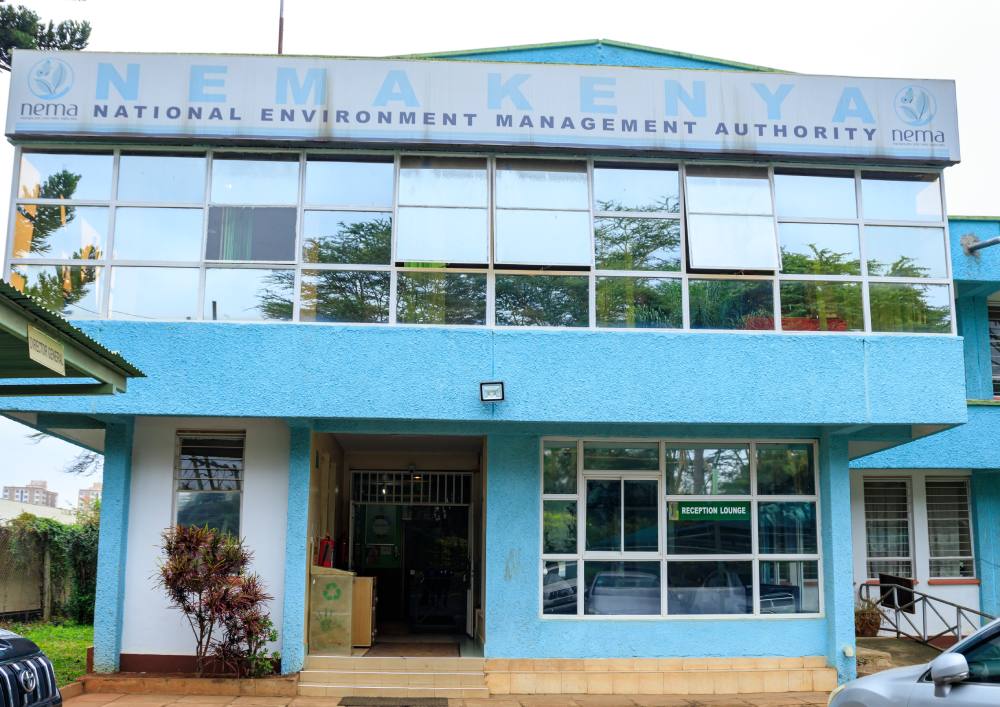
The Environmental Impact Assessment (EIA) process in Kenya follows a structured procedure designed to ensure that development projects comply with environmental laws and sustainability standards before implementation begins. The process is supervised by National Environment Management Authority and involves several important stages, from project assessment to post-approval monitoring.
Step 1: Hiring a Registered EIA Expert
The first step is engaging a NEMA-registered EIA expert or consulting firm. Only licensed environmental experts are authorized to prepare and submit EIA reports in Kenya.
Hiring qualified professionals is important because they understand:
- Kenyan environmental laws and regulations
- NEMA submission procedures
- Technical environmental assessment methods
- Public participation requirements
Using unregistered or inexperienced consultants may lead to rejected reports, delays, or non-compliance issues.
Step 2: Site Assessment and Screening
After appointment, the EIA expert conducts an initial site assessment and project screening. This stage involves gathering information about:
- Project location
- Land characteristics
- Nearby communities
- Water sources
- Existing environmental conditions
The purpose is to determine the project’s potential environmental risks and establish whether a simple Project Report or a Full EIA Study is required.
Step 3: Scoping and Terms of Reference
Scoping identifies the major environmental and social issues that need detailed study during the assessment process. The environmental experts prepare Terms of Reference (TOR), which outline:
- Key impacts to investigate
- Required technical studies
- Assessment methods
- Proposed mitigation measures
This stage helps focus the study on the most significant environmental concerns associated with the project.
Step 4: Public Participation
Public participation is a mandatory part of the EIA process in Kenya. Developers and consultants must engage nearby communities, stakeholders, and affected parties to gather views and concerns regarding the project.
Public participation may include:
- Community meetings
- Stakeholder consultations
- Interviews and questionnaires
- Public notices in newspapers or local areas
This process improves transparency and helps identify social concerns that may affect project approval.
Step 5: Preparation of EIA Report
The environmental consultants then prepare the EIA report based on field studies, technical analysis, and stakeholder feedback. The report typically includes:
- Project description
- Existing environmental conditions
- Potential environmental and social impacts
- Risk analysis
- Waste management plans
- Mitigation measures
- Environmental management plans
Technical studies may cover air quality, noise pollution, drainage, traffic, biodiversity, water resources, and socio-economic impacts.
Step 6: Submission to NEMA
Once completed, the EIA report is submitted to National Environment Management Authority together with supporting documents and payment of the required application fees.
Required documents may include:
- Architectural and site plans
- Land ownership documents
- Public participation records
- Expert registration details
- Project design reports
Incomplete submissions often result in delays or requests for additional information.
Step 7: NEMA Review Process
After submission, NEMA reviews the report to determine whether the project meets environmental requirements. The review process may involve:
- Internal technical review committees
- Site inspections
- Consultations with lead agencies
- Evaluation of public comments and objections
Lead agencies such as water authorities, county governments, and public health departments may provide technical recommendations depending on the nature of the project.
Step 8: Approval or Rejection
If the project satisfies environmental requirements, NEMA issues an EIA License allowing the project to proceed legally. The license may include conditions that the developer must comply with during construction and operation.
If the report is inadequate or the environmental risks are considered too high, the application may be rejected or returned for revision.
Approval timelines vary depending on project complexity. Smaller projects may receive approval within several weeks, while large or controversial developments can take several months due to extensive review and stakeholder consultations.
Step 9: Monitoring and Compliance
Obtaining an EIA license is not the end of the process. Developers are required to implement the approved mitigation measures and maintain environmental compliance throughout the project lifecycle.
This includes:
- Routine environmental monitoring
- Waste management compliance
- Pollution control measures
- Periodic Environmental Audit reports
Environmental audits help ensure that projects continue operating according to approved environmental standards.
Common causes of delays in the EIA process include incomplete documentation, poor-quality reports, public objections, land ownership disputes, and failure to conduct proper public participation. Early planning and working with experienced EIA consultants can significantly speed up approvals and reduce compliance risks.

How Much Does an EIA Report Cost in Kenya?
The cost of an Environmental Impact Assessment (EIA) report in Kenya varies widely depending on the nature, size, and complexity of the proposed project. There is no fixed price because each project requires different levels of study, technical analysis, and stakeholder engagement before approval is granted by National Environment Management Authority.
Factors Affecting EIA Costs
Several key factors influence the overall cost of preparing an EIA report:
- Project size: Large developments require more detailed studies and longer assessment periods.
- Location: Projects in sensitive areas (wetlands, urban centers, or near protected zones) require deeper analysis.
- Complexity: Projects involving industrial processes, hazardous materials, or heavy infrastructure are more expensive to assess.
- Required studies: Some projects need specialized studies such as traffic impact, air quality analysis, or hydrological surveys.
Main Cost Components
The total cost of an EIA report typically includes:
- Consultant fees: Payments to registered EIA experts for conducting studies and preparing the report.
- NEMA submission fees: Official charges for processing and reviewing the EIA application.
- Public participation costs: Expenses for community meetings, notices, questionnaires, and stakeholder engagement.
- Site visit expenses: Transport and logistics for environmental experts conducting field assessments.
Estimated Cost Ranges in Kenya
While costs vary depending on the project, general estimates include:
- Small residential developments: KSh 50,000 – 150,000
- Commercial projects (shops, apartments, offices): KSh 150,000 – 500,000
- Industrial or large infrastructure projects: KSh 500,000 – several million shillings depending on scale and complexity
Large-scale projects such as factories, highways, or energy plants may require extensive studies and multiple consultants, significantly increasing the overall cost.
Why Cheap EIA Reports Can Lead to Approval Issues
Although some developers may look for low-cost EIA services, unusually cheap reports often result in poor-quality assessments. This can lead to incomplete documentation, weak mitigation measures, and failure to meet regulatory standards.
Such reports are more likely to:
- Be rejected by National Environment Management Authority
- Require costly revisions and resubmissions
- Cause delays in project approval
- Lead to non-compliance risks during inspections
Ultimately, investing in a properly prepared EIA report ensures smoother approval, reduced legal risks, and better long-term project success.
Benefits of Conducting an EIA Report
Conducting an Environmental Impact Assessment (EIA) report provides significant advantages for developers, investors, communities, and regulators. In Kenya, it is not only a legal requirement for many projects but also a critical planning tool that improves project outcomes and ensures sustainable development under the guidance of National Environment Management Authority.
Environmental Protection
EIA helps identify potential environmental risks early and recommends mitigation measures to reduce harm to air, water, soil, and biodiversity.
Faster Regulatory Approvals
Well-prepared EIA reports speed up approval processes because they meet compliance standards and reduce the need for revisions or resubmissions.
Reduced Legal Risks
Compliance with environmental laws minimizes the risk of fines, stop orders, lawsuits, or project shutdowns due to non-compliance.
Better Project Planning
EIA provides detailed environmental and technical insights that help developers design more efficient and safer projects from the start.
Investor Confidence
Projects with approved EIA licenses are more attractive to investors and financial institutions because they demonstrate compliance and reduced risk.
Improved Public Image
Developers who follow environmental regulations build trust with communities and stakeholders, enhancing their reputation.
Reduced Conflicts with Communities
Public participation during EIA helps address community concerns early, reducing resistance, protests, and disputes during implementation.
Long-Term Sustainability
EIA promotes responsible resource use and ensures that projects remain environmentally and socially sustainable over time.
Improved Project Success Rates
Overall, projects that undergo proper EIA processes are more likely to succeed because they are well-planned, legally compliant, and environmentally sound. Early identification of risks prevents costly redesigns, delays, and operational challenges, leading to smoother implementation and better long-term performance.
Common Mistakes Developers Make With EIA Reports
Despite Environmental Impact Assessment (EIA) being a legal requirement for many developments in Kenya, many developers still make costly mistakes that delay projects or lead to legal penalties. These errors often result in non-compliance with regulations set by National Environment Management Authority and can seriously affect project timelines and budgets.
Starting Construction Before Approval
One of the most common mistakes is beginning construction before receiving an EIA license. This can lead to immediate stop orders, fines, or even demolition of ongoing works.
Hiring Unqualified Consultants
Some developers hire unregistered or inexperienced EIA practitioners to reduce costs. This often results in poor-quality reports that are rejected or require major revisions.
Ignoring Public Participation
Failing to properly involve local communities can lead to objections during the review process. Public concerns are a key part of EIA approval, and ignoring them may delay or block project licensing.
Submitting Incomplete Reports
Incomplete documentation, missing site data, or weak technical analysis often leads to rejection or requests for additional information, slowing down approval.
Underestimating Environmental Impacts
Some developers downplay potential impacts such as pollution, drainage issues, or social effects. This results in unrealistic mitigation plans that NEMA may not approve.
Failing to Conduct Environmental Audits
After project approval, some developers neglect required Environmental Audits, which are necessary for monitoring compliance during operation.
Real Risks of Non-Compliance
Developers who ignore EIA requirements face serious consequences, including:
- Heavy fines and penalties
- Stop orders halting construction
- Legal disputes and court cases
- Forced demolition of illegal developments
- Loss of investment and project delays
These risks highlight why proper EIA compliance is essential for successful and legally sound development projects in Kenya.
Challenges Facing EIA Implementation in Kenya
Although Environmental Impact Assessment (EIA) plays a critical role in promoting sustainable development in Kenya, its implementation still faces several challenges that affect efficiency and compliance. These challenges often slow down project approvals and reduce the overall effectiveness of environmental governance under National Environment Management Authority.
Delays in Approvals
One of the most common challenges is the long review and approval timelines. Complex projects require multiple consultations with lead agencies, which can significantly slow down decision-making.
Weak Enforcement
In some cases, enforcement of EIA requirements is inconsistent, allowing some developers to begin construction without proper approval or compliance.
Corruption Concerns
There are occasional concerns about unethical practices that may influence approval processes, undermining fairness and transparency in environmental regulation.
Limited Public Awareness
Many communities and developers lack adequate knowledge about EIA requirements, leading to non-compliance or resistance during project implementation.
Poor-Quality Reports
Some EIA reports submitted are of low quality due to unqualified consultants or insufficient data, resulting in rejections or repeated revisions.
Rapid Urbanization Pressures
Fast urban growth increases demand for housing, infrastructure, and commercial developments, often putting pressure on environmental review systems and leading to rushed assessments.
Climate Change Integration Challenges
Integrating climate change considerations into EIA studies remains a challenge, especially in adapting assessments to address long-term environmental risks such as flooding, drought, and ecosystem changes. Research from academic institutions such as the University of Nairobi highlights the need for stronger climate-sensitive planning in environmental assessments.
Overall, these challenges highlight the need for stronger capacity building, better enforcement, and increased awareness to improve EIA effectiveness in Kenya.
How to Choose the Right EIA Expert in Kenya
Selecting the right Environmental Impact Assessment (EIA) expert is crucial for ensuring a smooth approval process and full compliance with environmental regulations in Kenya. A qualified professional helps avoid delays, report rejections, and legal issues while ensuring your project meets the standards set by National Environment Management Authority.
Key Factors to Consider
- NEMA registration: Always confirm that the consultant is officially licensed and listed by NEMA to conduct EIA studies in Kenya.
- Experience in similar projects: Choose experts who have handled projects similar to yours, such as residential, industrial, or infrastructure developments.
- Knowledge of local regulations: A good consultant understands EMCA laws, county requirements, and sector-specific guidelines.
- Technical expertise: They should be skilled in environmental science, engineering, and impact analysis.
- Public participation ability: The expert must effectively engage communities and document stakeholder feedback.
- Professionalism and timelines: Reliable consultants deliver reports on time and maintain clear communication throughout the process.
Questions to Ask Before Hiring an EIA Consultant
Before making a decision, consider asking:
- Are you registered with NEMA, and can you provide proof?
- Have you handled similar projects in this region before?
- What is your estimated timeline for completing the EIA report?
- What is included in your service fee?
- How do you conduct public participation and stakeholder engagement?
- What happens if NEMA requests revisions to the report?
Choosing a competent EIA expert ensures your project moves smoothly through the approval process while minimizing risks, delays, and compliance issues.
Conclusion: Why EIA Reports Are Essential for Development Projects in Kenya
Environmental Impact Assessment (EIA) reports play a central role in ensuring that development projects in Kenya are implemented in a sustainable, lawful, and environmentally responsible manner. With rapid urbanization and increasing investment in construction, infrastructure, and industrial development, environmental compliance has become more important than ever.
One of the key reasons EIA reports are essential is the need to comply with environmental laws in Kenya. Under the Environmental Management and Coordination Act (EMCA), many development projects must be reviewed and approved by National Environment Management Authority before construction begins. This legal requirement ensures that potential environmental risks are identified and managed early.
EIA reports also play a vital role in protecting communities and ecosystems. They help reduce pollution, prevent environmental degradation, and safeguard public health by addressing issues such as waste management, water pollution, noise, and habitat destruction before they occur.
Early planning is another major benefit of the EIA process. Developers who integrate environmental assessments at the planning stage are better able to design efficient, compliant, and cost-effective projects. This reduces the likelihood of delays, redesigns, or costly legal disputes later in the project lifecycle.
The role of qualified EIA experts is also critical. Professional consultants ensure that assessments are accurate, complete, and aligned with regulatory requirements. Their expertise improves the quality of reports and increases the likelihood of timely approval.
Final Insight
Well-prepared EIA reports are no longer optional for many development projects in Kenya. Whether constructing apartments, industrial facilities, infrastructure, or commercial buildings, environmental compliance is essential for project approval, sustainability, and long-term success. Developers who prioritize environmental assessment early avoid costly legal problems, delays, and regulatory penalties while building projects that align with Kenya’s sustainable development goals.