Discover the most common mistakes in construction approvals and how to avoid costly delays, rejections, and legal issues. Learn key approval steps, checklist tips, and expert strategies for smooth construction compliance in Kenya.
Introduction: Why Construction Approvals Fail More Than You Think
Common Mistakes in Construction Approvals
Getting construction approvals is often assumed to be a simple administrative step before building begins, but in reality, it is one of the most common points where projects stall, get delayed, or are completely rejected. In Kenya, the construction approval process typically involves submission of architectural and structural drawings to the county government, where planning officers review compliance with zoning laws, building codes, and land use regulations. Depending on the project, additional approvals may be required from the National Construction Authority for contractor compliance and site registration, and from the Home – National Environment Management Authority (NEMA) when an Environmental Impact Assessment (EIA) is necessary.
Despite this structured system, many projects fail to move beyond the approval stage. Some are held back due to incomplete documentation, while others are rejected outright for not meeting planning requirements. In many cases, applicants underestimate the strictness of compliance checks or assume minor errors will be overlooked.
Across counties, there has been a noticeable rise in rejected plans and prolonged approval timelines. This is largely driven by rapid urban development, stricter enforcement of regulations, and increased scrutiny of building safety standards. Unfortunately, these delays often translate into higher project costs, missed deadlines, and frustration for property owners.
Ignoring or bypassing approval procedures can have serious consequences, including stop orders, fines, demolition notices, or even legal disputes over land use violations. Beyond financial loss, it can also compromise the safety and long-term value of a property.
This article breaks down the most common mistakes that cause construction approval failures and provides practical guidance on how to avoid them—so your project moves smoothly from paper to foundation without unnecessary setbacks.
Understanding Construction Approvals and Why They Matter
Construction approvals refer to the official permissions required before any building project can legally begin. These approvals typically include planning permission, which confirms that the proposed development complies with local zoning and land use regulations; structural approval, which ensures that the building design is safe, stable, and meets engineering standards; and environmental clearance, which assesses the potential impact of the project on the surrounding environment. Together, these approvals form the foundation of legally and safely executed construction work.
In Kenya, several key authorities are involved in the approval process. The primary body is the county government, which reviews and approves building plans to ensure they align with physical planning laws, zoning requirements, and urban development policies. The National Construction Authority plays a critical role in contractor registration, ensuring that only qualified and compliant professionals are allowed to undertake construction work. This helps maintain industry standards and reduces risks associated with poor workmanship. In cases where developments may have environmental implications—such as large residential estates, commercial buildings, or projects near sensitive ecosystems—the National Environment Management Authority requires an Environmental Impact Assessment (EIA) before approval is granted.
These approvals exist for important reasons. First, they ensure public safety by enforcing structural integrity and construction standards. Second, they promote zoning compliance, making sure land is used appropriately for residential, commercial, industrial, or mixed purposes. Third, they support urban planning control, helping counties manage growth, infrastructure demand, and community development in an organized way.
Bypassing construction approvals can lead to serious consequences. Authorities may issue stop-work orders, impose heavy fines, or even order the demolition of unauthorized structures. Legal disputes may also arise, especially where land use or safety regulations have been violated.
Ultimately, proper construction approvals are not just bureaucratic requirements—they are essential safeguards that directly influence the success, safety, and long-term value of any property investment. Projects that follow due process are more secure, more valuable, and far less likely to encounter costly interruptions.
Importance of Proper Construction Approval Compliance
Proper compliance with construction approval requirements is one of the most critical steps in protecting any building project from unnecessary risks and delays. When approvals are handled correctly from the start, property owners safeguard their investment from both legal and financial exposure. Unauthorized construction can quickly lead to penalties, stop-work orders, or even forced demolition, all of which result in significant financial loss that could have been avoided.
Another major benefit of compliance is the assurance of structural safety and engineering integrity. Approved plans are reviewed by qualified professionals to ensure that the building meets required standards for stability, durability, and safety. This reduces the risk of future structural failures, accidents, or costly repairs.
Compliance also helps avoid expensive redesign and reconstruction costs. When construction begins without proper approval, authorities may demand changes to the design or halt the project entirely until corrections are made. These adjustments often cost far more than doing things correctly at the beginning.
In addition, properly approved projects tend to have a higher resale value. Buyers and investors are more confident in properties that have complete documentation and verified compliance, as it eliminates fears of legal complications or future disputes.
Projects that follow approval procedures also experience smoother and faster completion timelines. While it may seem slower upfront, proper documentation prevents interruptions, rework, and regulatory setbacks later in the construction process.
Finally, compliance builds trust between property owners, contractors, and consultants. When all parties operate within legal and professional guidelines, communication improves and accountability is strengthened, leading to better project outcomes overall.
Mistake 1: Starting Construction Before Approval
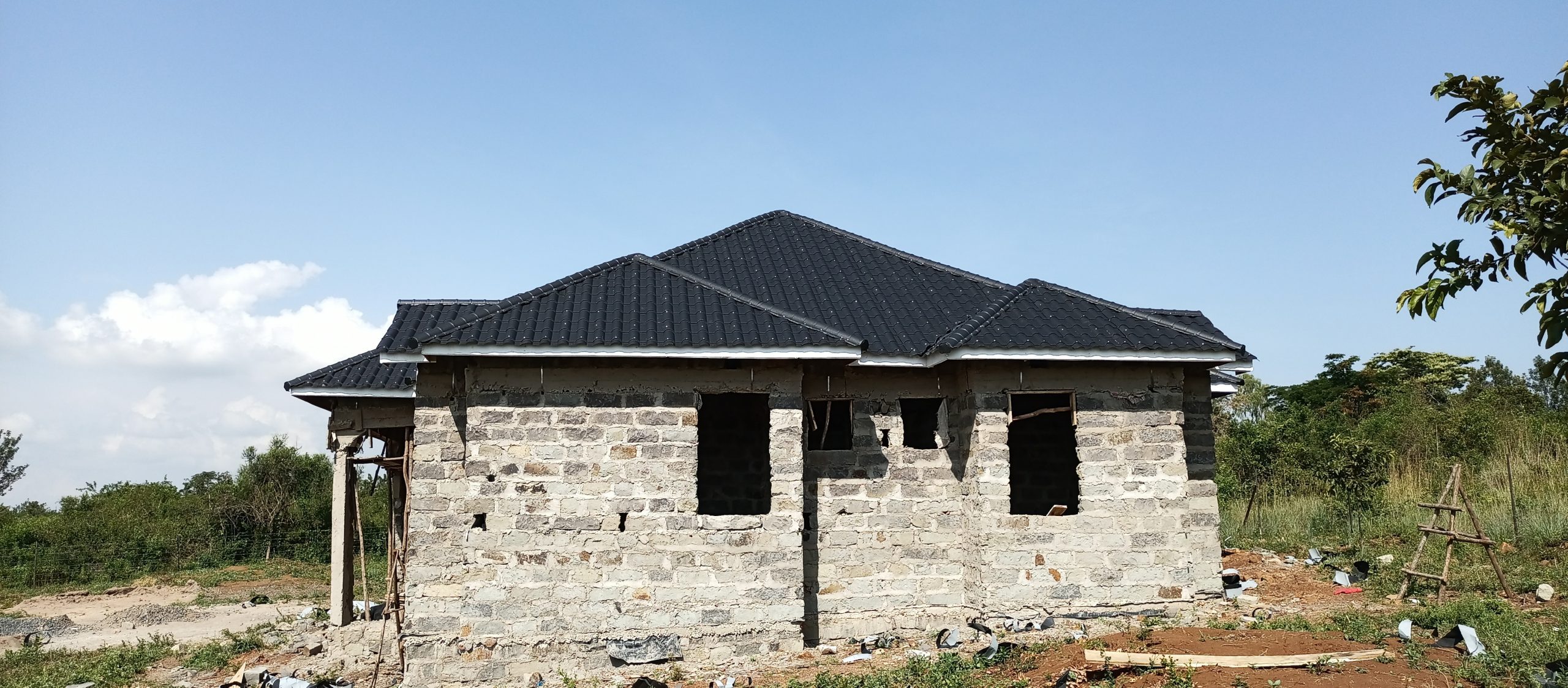
One of the most frequent and costly mistakes in construction projects is beginning work before obtaining official approval. Many homeowners, eager to see progress on their land, start excavation or foundation work immediately after finalizing designs, assuming approvals will follow quickly or can be handled later. Unfortunately, this approach often leads to serious setbacks.
In Kenya, county governments strictly enforce building regulations, and starting construction without stamped approval drawings can result in stop-work orders, heavy fines, or even demolition notices. Once a project is flagged, it becomes difficult and expensive to regularize, especially if the design does not comply with zoning or structural requirements.
For example, there are many cases where a homeowner begins building a residential house only to have inspectors halt the project midway due to missing approvals. In some situations, partially completed structures are ordered for modification or complete demolition, leading to huge financial losses and emotional frustration.
The safest approach is simple but often ignored: never begin any physical construction until all approvals are fully processed and stamped by the relevant authorities. This includes county approval, structural endorsement, and any required environmental clearance. Having all documents in place ensures the project starts on a solid legal foundation and progresses without unnecessary interruptions.
Mistake 2: Hiring Unqualified or Unregistered Contractors
Another major mistake in construction approvals is hiring informal or unqualified contractors who lack proper certification. Many property owners are tempted to choose cheaper builders based on recommendations or low costs, without verifying their professional credentials. While this may seem cost-effective at first, it often leads to serious complications during the approval and construction process.
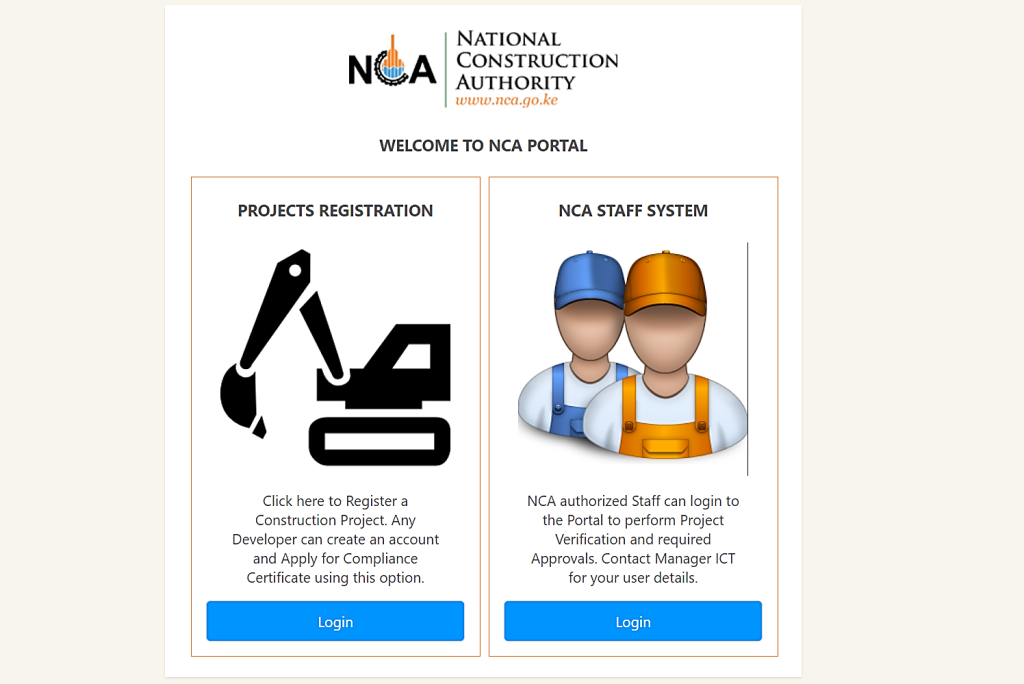
In Kenya, contractors are required to be registered and compliant with the National Construction Authority. Failure to work with an approved contractor can result in projects being flagged during inspections or even denied approval altogether. Authorities increasingly scrutinize who is executing the construction, not just the drawings submitted.
The risks of hiring unqualified builders are significant. Poor workmanship can lead to structural defects, safety hazards, and costly repairs. In some cases, non-compliant construction may be rejected by county inspectors, forcing redesigns or complete reconstruction. There is also legal liability if accidents or failures occur on-site.
The best solution is to always verify a contractor’s registration status, license validity, and past project experience before hiring. Requesting documentation and checking previous work ensures you are working with a professional who understands regulatory requirements. This not only improves approval success but also guarantees higher construction quality and long-term project stability.
Mistake 3: Incomplete Architectural Drawings
Submitting incomplete or poorly prepared architectural drawings is another common reason construction approvals are delayed or rejected. Many applicants present plans that lack essential details such as full floor layouts, structural specifications, elevations, or proper site plans. When key information is missing, county planning officers cannot properly assess compliance with building codes and zoning requirements.
As a result, applications are often returned for corrections or outright rejected, leading to unnecessary delays and additional costs. In some cases, repeated revisions can stretch approval timelines for weeks or even months, disrupting the entire construction schedule.
This problem is usually caused by working with unqualified draftsmen or rushing the design stage without proper professional input. It highlights the importance of engaging licensed and experienced architects who understand both design principles and regulatory requirements.
Working with a qualified professional ensures that all drawings are complete, accurate, and aligned with local building standards. Proper documentation not only reduces the chances of rejection but also makes the review process faster and smoother, as officers can easily verify compliance.
Ultimately, complete and well-prepared architectural drawings are a key requirement for efficient approval and a strong foundation for successful project execution.
Mistake 4: Ignoring Zoning and Land Use Regulations
Ignoring zoning and land use regulations is a critical mistake that often leads to immediate rejection of construction approval applications. Every parcel of land is designated for a specific purpose—such as residential, commercial, industrial, or mixed-use development—and failing to respect these classifications can derail an entire project before it even begins.
A common issue occurs when developers attempt to build residential houses in areas zoned for commercial use, or vice versa. Others overlook essential planning rules such as building setbacks, height restrictions, plot coverage ratios, and density limits. These requirements are strictly enforced by county planning departments to ensure organized urban development.
When zoning rules are violated, authorities will either reject the application outright or request major design revisions. In some cases, developers are forced to redesign the entire project, resulting in delays and increased costs.
The best way to avoid this mistake is to confirm zoning status before starting any design work. This involves checking with the county planning office or obtaining a formal land use report. Early verification ensures that the architectural design aligns with legal requirements, reducing the risk of rejection and improving the chances of smooth approval.
Mistake 5: Skipping Environmental Impact Assessment
Skipping the Environmental Impact Assessment (EIA) is a serious oversight that can bring an entire construction project to a halt. An EIA is a legal requirement for many developments, especially large-scale projects such as apartment blocks, housing estates, commercial buildings, and projects near sensitive ecosystems. Its purpose is to evaluate how a proposed development may affect the surrounding environment and community.
Many applicants fail to submit EIA reports either due to lack of awareness or the assumption that it is only required for major industrial projects. However, in Kenya, the National Environment Management Authority strictly enforces this requirement where applicable, and failure to comply can result in serious consequences.
When an EIA is skipped, the project may be suspended immediately upon discovery, even if construction has already started. In some cases, developers are forced to halt work until a full assessment is completed and approved, causing delays and increased costs.
To avoid this mistake, developers should determine early whether their project requires an EIA and engage a licensed environmental expert to conduct the assessment. Proper compliance ensures that the project aligns with environmental laws and proceeds without regulatory interruptions.
Mistake 6: Submitting Incorrect or Outdated Land Documents
Submitting incorrect or outdated land documents is a common but serious mistake that often leads to immediate rejection of construction approval applications. Many applicants assume that having a title deed is enough, but even minor errors in ownership details, plot numbers, or land registration information can raise red flags during the review process.
In some cases, land may have disputed ownership, unresolved succession issues, or incomplete transfer processes. When such legal uncertainties exist, county governments will not approve any construction plans until the matter is fully resolved. This is because unclear ownership poses a legal risk and can lead to future court disputes or development conflicts.
As a result, applications with incomplete or questionable documentation are either delayed significantly or rejected outright. This can stall entire projects, especially when corrections require legal intervention or land registry updates.
To avoid these setbacks, it is essential to verify all land documentation before starting the design stage. This includes confirming the accuracy of the title deed, ensuring proper ownership transfer, and resolving any inheritance or boundary disputes early. Working with a land surveyor or legal expert can help confirm that the property is fully compliant and ready for development approval.
Mistake 7: Not Engaging Professionals Early
Delaying the involvement of qualified professionals is another mistake that frequently causes construction approval failures. Many property owners attempt to save money by starting the process on their own or by only involving an architect or engineer after initial ideas have already been developed. This often leads to design inconsistencies that do not meet regulatory standards.
In some cases, homeowners rely on DIY sketches or unqualified draftsmen to produce drawings. While these may look acceptable at first glance, they usually lack the technical detail required for approval by county authorities. As a result, applications are rejected or returned for major revisions, causing delays and additional costs.
Early engagement of professionals such as licensed architects and structural engineers is essential. They understand building codes, zoning laws, and approval requirements, ensuring that designs are compliant from the beginning. This reduces the likelihood of rejection and speeds up the approval process significantly.
Effective coordination between the architect, engineer, and quantity surveyor also ensures that the design is practical, cost-effective, and structurally sound. When professionals work together from the start, the entire approval process becomes smoother, more efficient, and far less prone to costly mistakes or redesigns later in the project.
Mistake 8: Ignoring Building Code Updates
Ignoring updated building codes is a mistake that can quietly derail an otherwise well-planned construction project. Many designs are based on old standards or outdated templates that no longer comply with current county regulations. As building laws evolve, authorities frequently update requirements to improve safety, efficiency, and sustainability in construction.
Outdated designs may fail to meet modern expectations for structural safety, including load-bearing capacity, foundation requirements, material specifications, ventilation, and fire escape provisions. Even small deviations from current standards can result in rejection during the approval process.
County governments are increasingly strict in enforcing these updated regulations, meaning that plans that were acceptable a few years ago may no longer be approved today. This often surprises developers who assume that previous project designs can be reused without modification.
To avoid this issue, it is essential to always work with professionals who are up to date with the latest building codes and regulatory changes. Licensed architects and engineers regularly review new standards and ensure that all designs reflect current requirements.
Using updated codes not only improves approval success but also enhances the safety, durability, and long-term performance of the structure. It is a critical step in avoiding costly redesigns and delays.
Mistake 9: Poor Communication with Approval Authorities
Poor communication with approval authorities is a common but often overlooked reason for delays in construction approvals. Many applicants assume that once documents are submitted, the process will run automatically, but in reality, county offices frequently issue revision requests that require prompt responses. Failure to reply in time can cause applications to stall or even lapse entirely.
Another frequent issue is neglecting to follow up on the status of an application. Without regular checks, important updates or correction notices may be missed, resulting in unnecessary delays. In some cases, applicants misunderstand the required changes, leading to repeated submissions that prolong the approval process.
This lack of clear communication creates confusion between the applicant and planning officers, slowing down decision-making and increasing frustration on both sides.
The solution is to maintain active tracking of the application from submission to approval. Regular visits or inquiries to the county planning office ensure that any required corrections are addressed quickly. In more complex projects, engaging a liaison officer or professional consultant can greatly improve communication efficiency.
Clear, consistent communication helps ensure that issues are resolved promptly, reducing delays and increasing the likelihood of smooth and timely approval.
Mistake 10: Underestimating Approval Timelines and Costs
Underestimating the time and cost involved in construction approvals is a common mistake that often disrupts project planning and cash flow. Many property owners assume that approval will be quick and inexpensive, only to face unexpected delays and additional expenses along the way.
In reality, approval timelines can vary significantly depending on the complexity of the project, completeness of documentation, and workload within county offices. Delays are common when revisions are required or when applications are submitted during peak periods. This often pushes back the entire construction schedule.
On the financial side, applicants may also underestimate the full cost of approvals, including submission fees, architectural revisions, structural reviews, and environmental assessments where applicable. When these costs are not properly budgeted, projects can stall due to lack of funds, especially at critical approval stages.
These financial and time-related gaps create unnecessary pressure, forcing some developers to pause or rush decisions that lead to further mistakes.
The best solution is proper upfront planning. A realistic timeline and fully prepared budget for approvals help ensure smooth progress from submission to approval. When time and costs are properly accounted for, projects experience fewer stoppages, fewer surprises, and a significantly higher chance of successful completion.
Step-by-Step Guide to Getting Construction Approvals Right
Getting construction approvals right the first time requires a clear, structured process that ensures compliance at every stage. Following the correct steps not only speeds up approval but also reduces the risk of rejection, redesigns, and costly delays.
Step 1: Land verification and documentation
Start by confirming that the land is legally registered and free from disputes. Verify the title deed, ownership details, and any encumbrances. This ensures the project is built on a legally sound foundation.
Step 2: Engage qualified architect/engineer
Hire licensed professionals early in the process. Architects and engineers understand building codes, zoning laws, and approval requirements, ensuring your project meets all technical and legal standards.
Step 3: Prepare compliant drawings
Work with your design team to develop complete architectural and structural drawings. These should include floor plans, elevations, site plans, and engineering details that comply with county regulations.
Step 4: Submit to county government
Submit the full set of drawings and documents to the relevant county planning department for review. Ensure all required forms and fees are included to avoid delays.
Step 5: Obtain approvals from relevant authorities
Depending on the project, additional approvals may be required from bodies such as the National Construction Authority or the National Environment Management Authority.
Step 6: Keep stamped copies on site
Once approvals are granted, keep certified stamped drawings on-site at all times for inspection purposes. This ensures compliance during construction.
Step 7: Begin construction only after approval
Start construction only after receiving full written approval. This prevents legal issues, stop-work orders, and unnecessary financial losses. Following this sequence ensures a smooth, compliant, and efficient building process.
Construction Approval Checklist
Before starting any construction project, it is essential to ensure that all required approvals and documents are properly prepared and verified. This checklist helps confirm that your project is compliant and ready for smooth approval without unnecessary delays or rejections.
First, confirm verified land ownership documents, including a valid title deed and accurate registration details. Any dispute or error in ownership can immediately halt the approval process.
Second, ensure you have approved architectural drawings that include complete floor plans, elevations, and site layouts prepared by a licensed architect.
Third, obtain structural engineering approval to confirm that the design is safe, stable, and compliant with building standards.
Fourth, secure county government stamped plans, which officially authorize the project to proceed.
Fifth, check if your project requires environmental clearance, especially for larger developments, which must be reviewed by the National Environment Management Authority.
Sixth, verify registered contractor confirmation to ensure compliance with the National Construction Authority requirements.
Finally, prepare a budget for permits and revisions, as approval processes often involve additional fees or adjustments.
Completing this checklist before submission significantly increases approval success and reduces costly delays.
How to Avoid Construction Approval Rejections (Summary Strategy)
Avoiding construction approval rejections requires a proactive and well-organized approach from the very beginning of a project. One of the most important strategies is early planning, which allows sufficient time to address design, documentation, and regulatory requirements before submission. Rushing the process often leads to avoidable errors and delays.
Working with licensed professionals, including architects, engineers, and surveyors, is equally essential. These experts understand building codes and approval requirements, ensuring that all designs meet technical and legal standards.
Before submitting any application, it is important to double-check all documentation for accuracy and completeness. Missing details, incorrect land information, or incomplete drawings are among the leading causes of rejection.
A clear understanding of local building regulations also plays a key role. Since requirements may vary by county, applicants must ensure their designs comply with zoning laws, setbacks, and structural standards.
Maintaining continuous communication with approval authorities helps track progress and quickly address any revision requests or concerns raised during review.
Ultimately, investing in compliance rather than correction saves both time and money. Fixing mistakes after rejection is always more expensive and time-consuming than getting everything right at the start, making proper preparation the most reliable path to approval success.

Conclusion: Building Smart Starts with Proper Approval Compliance
Successful construction projects begin long before the first brick is laid—they start with proper approval compliance. Throughout this guide, we have explored the most common mistakes that lead to construction approval failures, including starting construction without permission, hiring unqualified contractors, submitting incomplete drawings, ignoring zoning laws, skipping environmental assessments, and underestimating timelines and costs.
The key lesson is clear: compliance is not an obstacle to building, but a safeguard that protects your investment. While the approval process may feel slow or demanding, it ultimately saves money by preventing costly redesigns, legal disputes, stop-work orders, and even demolition risks.
Proper planning before construction begins ensures that every stage of the project aligns with legal, technical, and environmental requirements. When approvals are handled correctly, projects move more smoothly, experience fewer interruptions, and achieve completion within realistic timelines.
In the long term, compliance delivers significant benefits, including enhanced structural safety, legal protection, and increased property value. Buyers and investors are more confident in properly approved developments, making resale and financing easier.
Ultimately, construction approvals should be viewed as a foundation for success—not a barrier. When done right, they create stronger, safer, and more valuable buildings that stand the test of time.