Understand county-specific building approval differences in Kenya, including approval costs, timelines, eDAMS systems, zoning regulations, and permit requirements across Nairobi, Kiambu, Mombasa, Kisumu, Kajiado, and rural counties.
Introduction: Why Building Approval Rules Differ Across Counties in Kenya
County-Specific Building Approval Differences in Kenya
Building approvals are one of the most important requirements before starting any construction project in Kenya. Whether you are planning to build a residential home, commercial property, apartment block, or mixed-use development, obtaining approval from the relevant county government is mandatory. These approvals help ensure buildings meet safety standards, zoning regulations, environmental requirements, and structural guidelines established by law.
However, many developers quickly discover that the county approval process in Kenya is far from uniform. Since the introduction of devolution, county governments gained authority over physical planning and development control. As a result, each county now manages its own approval procedures, fee structures, timelines, inspection systems, and enforcement methods. This has created major county building approvals Kenya differences that affect developers across the country.
For example, approvals in Nairobi County are often more detailed and digitized through eDAMS systems, while some rural counties still rely heavily on manual approvals and physical paperwork. Approval costs, processing timelines, required documentation, and interpretation of county-specific bylaws can vary significantly from one county to another.
These building approval differences often create confusion, delays, and unexpected costs for property owners, contractors, and investors. A process that takes a few weeks in one county may take several months in another. Understanding how each county operates is therefore essential for anyone planning a successful construction project in Kenya.
Understanding Building Approvals in Kenya
Building approvals are official authorizations issued by relevant government agencies allowing a construction project to proceed legally. In Kenya, these approvals are designed to ensure that buildings meet safety standards, zoning regulations, environmental requirements, and structural integrity guidelines before construction begins. Whether it is a residential house, apartment complex, office block, or commercial property, obtaining the required construction permits Kenya is mandatory nationwide.
The building approval process Kenya is governed by several laws and regulations, including the Physical and Land Use Planning Act, the County Governments Act, the Environmental Management and Coordination Act (EMCA), and the National Construction Authority Act. Although these laws provide a national legal framework, county governments administer approvals independently under the devolved system of governance. This is one of the main reasons why approval procedures differ from one county to another.
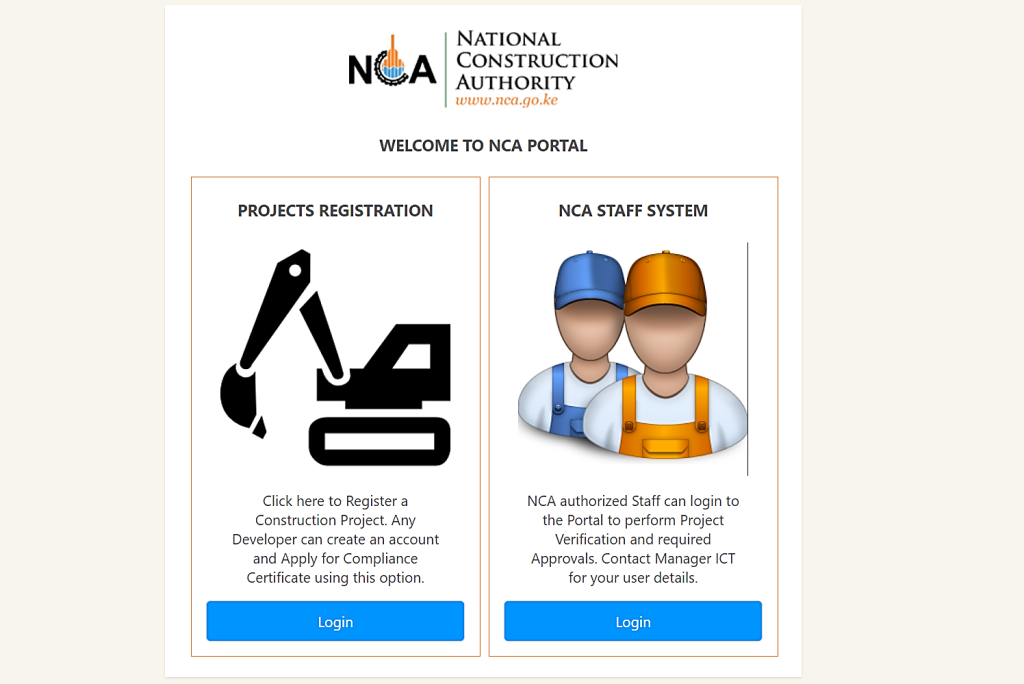
Several regulatory bodies are involved in county government approvals and construction compliance. County Governments and Physical Planning Departments handle planning permissions, zoning compliance, and development control. The National Environment Management Authority (NEMA) oversees environmental impact assessments for projects that may affect the environment. The National Construction Authority (NCA) regulates contractors and construction site compliance across the country.
It is also important to understand the difference between the various approvals required during construction. Planning approval focuses on land use, zoning, plot coverage, and compliance with county development plans. Structural approval confirms that the building’s engineering design is safe and structurally sound. NEMA licensing addresses environmental impact concerns, while NCA registration ensures the project and contractors comply with national construction regulations.
Many discussions about construction permits Kenya focus only on general procedures but fail to explain how counties interpret and enforce these requirements differently under devolution.
Why Building Approval Processes Differ Across Counties
The major reason for county approval variations Kenya is the introduction of devolution under the 2010 Constitution. Through devolution, county governments were given authority over physical planning, development control, and construction approvals within their jurisdictions. While national laws still guide the construction industry, each county has the power to manage and implement its own approval systems. This has created significant differences in devolved construction approvals across the country.
County governments have autonomy in several areas, including fee structures, submission procedures, enforcement methods, and inspection requirements. Some counties have fully digitized systems such as eDAMS, while others still rely on manual submissions and physical paperwork. Approval charges also vary widely depending on local policies, administrative costs, and urban development priorities.
Urban pressure is another major factor affecting county construction regulations. Counties such as Nairobi, Mombasa, and Kiambu experience rapid urbanization, high population density, and increasing demand for high-rise buildings. As a result, approvals in these counties are often stricter and more detailed. Developers may face additional requirements related to fire safety, parking, environmental impact, traffic management, and structural integrity for tall buildings.
In contrast, counties such as Kisii, Bomet, or Turkana may have lower urban density and fewer large-scale developments. Their approval systems are often less complex, although they may still experience administrative delays due to limited staffing and technical resources. Some rural counties have fewer qualified inspectors, planners, and engineers, which can affect both approval speed and enforcement consistency.
Infrastructure capacity also plays a key role. Urban counties usually have more advanced planning departments and better digital systems, while rural counties may struggle with outdated processes and limited technical expertise. Government agencies and industry stakeholders have repeatedly acknowledged these inconsistencies, especially as developers continue to face different rules and standards across counties in Kenya.
Counties Using eDAMS vs Manual Approval Systems
The introduction of digital approval platforms has significantly changed how construction permits are processed in some parts of Kenya. However, not all counties operate under the same system. While several urban counties have adopted online building approvals Kenya through eDAMS Kenya platforms, many rural and emerging counties still rely on traditional manual processes.
Counties Using eDAMS
Counties such as Nairobi, Kiambu, Mombasa, and Kisumu have increasingly adopted eDAMS Kenya and other digital systems to streamline approval procedures. Through these platforms, developers can upload architectural drawings, structural plans, land ownership documents, and supporting reports online without making multiple physical visits to county offices.
Digital systems offer several advantages, including:
- Faster document tracking
- Easier communication between departments
- Reduced paperwork
- Improved transparency
- Faster correction and resubmission processes
For example, Nairobi County heavily depends on eDAMS for planning and development approvals, especially for commercial and high-rise projects. Kiambu and Mombasa have also expanded digital submissions due to rapid urban growth and increased construction activity.
However, online building approvals Kenya are not always smooth. Developers frequently complain about:
- System downtimes
- Delayed departmental responses
- Long approval queues
- Technical upload issues
- Multiple departmental reviews slowing the process
Even after online submission, physical inspections are still often required before final approval is granted.
Counties Still Using Manual Systems
Many rural and developing counties continue using the manual building approval process. In these counties, applicants must physically submit printed drawings and documents to county offices for review. Follow-ups often require repeated office visits, making the process slower and less predictable.
| eDAMS Counties | Manual Counties |
| Faster tracking | More physical visits |
| Digital submissions | Paper-based processes |
| Higher scrutiny | Sometimes slower enforcement |
| Easier resubmissions | Manual corrections |
Although manual systems may appear less strict in some counties, they can still experience delays due to understaffing, limited technical expertise, and inefficient record management. This growing gap between digital and manual approval systems remains one of the biggest county-specific differences in Kenya’s construction sector.
County-by-County Comparison of Building Approval Differences
One of the biggest realities developers face in Kenya is that no two counties handle approvals exactly the same way. Approval timelines, enforcement standards, submission systems, and county approval costs Kenya vary significantly depending on the location of the project. Understanding these differences is critical for budgeting, planning, and avoiding costly delays.
Nairobi County
The Nairobi building approval process is widely considered the most complex in Kenya. As the country’s capital and largest urban center, Nairobi experiences extremely high development pressure, especially for apartments, office blocks, and mixed-use developments. This has led to stricter regulations and increased scrutiny during approvals.
Nairobi relies heavily on the eDAMS platform for submissions and tracking. Developers must often go through multiple departmental reviews involving planning, structural engineering, fire safety, public health, and environmental compliance. Although digitization has improved transparency, frequent delays are still common due to high application volumes and system bottlenecks.
The county also enforces strict zoning regulations, especially in residential estates and high-density commercial areas. High-rise developments face additional requirements related to parking, traffic flow, drainage systems, and structural safety. Nairobi generally has some of the highest approval fees and inspection requirements in Kenya.
Kiambu County
Kiambu county approvals have increased rapidly due to the expansion of satellite towns such as Ruiru, Kikuyu, Thika, Juja, and Syokimau neighboring regions. The county experiences heavy residential construction activity as many Nairobi residents move to suburban areas.
Compared to Nairobi, Kiambu’s approval system is moderately complex. The county has increasingly adopted digital submission systems, making document processing more efficient in some areas. However, developers still experience delays, especially in fast-growing towns where infrastructure planning struggles to keep pace with urbanization.
Kiambu also closely monitors land subdivision, apartment developments, and gated community projects due to increasing population density.
Mombasa County
Mombasa County has unique approval requirements influenced by its coastal location and tourism-driven economy. Environmental regulations play a major role in the approval process, particularly for projects located near beaches, wetlands, or environmentally sensitive coastal zones.
Developers in Mombasa often face additional scrutiny involving drainage systems, environmental conservation, and tourism zoning regulations. Commercial developments such as hotels, restaurants, and beachfront apartments may require more detailed reviews before approvals are granted.
The county has adopted some digital systems, although certain approval stages still involve physical submissions and inspections.
Kisumu County
Kisumu County is experiencing steady urban growth, leading to increased demand for residential and commercial developments. The county has gradually expanded digitization efforts to improve approval efficiency, although the system is not yet as advanced as Nairobi’s.
Approval timelines in Kisumu are generally moderate compared to major metropolitan counties. Developers often experience fewer bureaucratic layers, making the process relatively manageable for small and medium-sized projects. However, enforcement standards continue to tighten as urban development increases around the city and surrounding areas.
Infrastructure expansion and lakeside environmental concerns are also becoming more important during approvals.

Kajiado County
Kajiado building permits have become increasingly important due to rapid suburban expansion around areas such as Kitengela, Ngong, Ongata Rongai, and Isinya. Many developers are attracted by larger land sizes and lower land prices compared to Nairobi.
However, Kajiado faces frequent change-of-user challenges, especially where agricultural land is converted into residential or commercial developments. Developers often encounter delays related to zoning approvals, subdivision permits, and infrastructure planning requirements.
The county’s fast growth has also increased scrutiny on developments lacking proper roads, drainage, and utility access.
Smaller Rural Counties
Many smaller rural counties still operate under less digitized and less strict approval environments. Manual approvals remain common, requiring physical submission of drawings and repeated visits to county offices.
While some rural counties may have lower county approval costs Kenya and fewer inspections, administrative processes can still be slow due to understaffing and limited technical expertise. In some regions, enforcement is less aggressive, especially for small residential developments.
However, this does not mean approvals are unnecessary. Counties across Kenya still legally require construction approvals regardless of project size or location. Developers who ignore approval procedures risk penalties, demolition notices, or future land transaction complications.
Differences in Building Approval Costs Across Counties
One of the biggest challenges developers face in Kenya is the variation in building approval fees Kenya across different counties. There is no universal pricing structure for approvals, meaning the total cost of obtaining permits can differ significantly depending on the project location and type of development. These county approval costs directly affect construction budgets and overall project planning.
Several factors influence construction permit fees in Kenya. The first is the county where the project is located. Urban counties such as Nairobi, Mombasa, and Kiambu generally charge higher approval rates due to increased development pressure, stricter enforcement systems, and more complex review procedures.
Building size also affects approval charges. Larger developments typically attract higher fees because they require more detailed reviews, inspections, and technical assessments. Similarly, the intended building use plays a major role. Commercial properties, apartments, mixed-use developments, and high-rise buildings usually cost more to approve than single residential homes.
Other factors affecting county approval costs include:
- Plot location and zoning classification
- Number of floors
- Environmental sensitivity of the site
- Infrastructure requirements
- Complexity of structural designs
Approval expenses are also divided into several categories. Common construction permit fees include:
- Architectural approval fees
- Structural engineering approval fees
- Public health approval charges
- Fire safety compliance fees
- Site inspection charges
- Physical planning review fees
In some counties, developers may also pay additional charges for environmental reviews, signage permits, or utility-related clearances.
Urban counties usually have more expensive approval systems because they handle larger projects and enforce stricter development regulations. In contrast, some rural counties may charge lower fees, although approval timelines and administrative efficiency can still vary widely. Understanding these differences early helps developers avoid unexpected costs during the approval process.
Approval Timelines: Which Counties Are Faster?
Building approval timelines in Kenya vary widely depending on the county, the type of project, and the system used to process applications. As a result, approval timelines Kenya are one of the most unpredictable aspects of the construction process and a major concern for developers planning project schedules.
In Nairobi, the approval process is often lengthy due to high application volumes, strict compliance requirements, and multiple departmental reviews. Projects must pass through planning, structural, fire safety, public health, and environmental checks, which can significantly extend processing time, especially for high-rise or commercial developments.
Kiambu County generally offers moderate timelines compared to Nairobi. While some areas benefit from digital submission systems, rapid urban growth in towns like Ruiru and Thika often leads to congestion in processing applications, resulting in occasional delays.
In many rural counties, building approval delays Kenya are highly inconsistent. Some applications may be processed quickly due to fewer development cases, while others may take longer due to limited technical staff, manual record handling, and administrative inefficiencies. This unpredictability makes planning difficult for developers working outside major urban centers.
Counties that still rely on manual systems experience the most unpredictable timelines. Paper-based reviews, physical file movement between departments, and repeated office visits often slow down the entire approval process significantly.
Several key factors influence county permit processing time, including:
- Incomplete or incorrect documentation
- Lengthy technical design reviews
- Shortage of qualified planning and engineering staff
- Reported corruption or informal delays in some offices
- System inefficiencies or downtime in digital platforms
Overall, approval delays remain one of the most common complaints among developers across Kenya, affecting project budgets, timelines, and investment returns.

Common Approval Challenges Developers Face Across Counties
Across Kenya, developers consistently face a wide range of construction approval problems Kenya that affect project delivery, budgets, and investor confidence. While the legal framework for approvals is clear, the practical implementation differs significantly from one county to another, creating uncertainty in the building permit challenges experienced on the ground.
One of the most common issues is delayed county approvals. Applications often take longer than expected due to backlogs, lengthy review processes, or repeated corrections requested by county departments. These delays directly increase project costs, especially for developers who have already mobilized materials, labor, or financing.
Another major challenge is inconsistent regulations. Different counties often interpret the same building codes differently, leading to confusion for architects, engineers, and contractors working across multiple regions. A design approved in one county may require adjustments in another, even when the technical standards appear similar.
Corruption concerns and lack of transparency also remain persistent issues in some counties. Developers sometimes report unclear approval requirements, informal payments, or unexplained delays, which make it difficult to plan projects efficiently or predict approval timelines.
Duplicate inspections and overlapping departmental reviews further slow down the process. In some cases, multiple officers from different departments may inspect the same site separately, increasing delays and creating inefficiencies.
Poor communication between county offices and applicants is another common frustration. Developers often struggle to track application status or understand rejection reasons, leading to frequent document resubmissions and additional costs.
These inefficiencies can result in significant financial losses. Delayed approvals increase holding costs, delay project completion, and can even affect loan repayments or investor returns.
Overall, research and industry discussions consistently highlight that approval inefficiencies remain a major barrier to smooth construction delivery across counties in Kenya.
How to Speed Up Building Approvals in Any County
Getting faster building approvals in Kenya is possible, but it requires careful preparation and understanding of the county-specific requirements. Since delays are often caused by avoidable mistakes, developers who follow the right approval tips Kenya can significantly reduce waiting time and frustration.
One of the most effective ways on how to get building approval faster is hiring registered professionals. Qualified architects, structural engineers, and quantity surveyors ensure that drawings and documents meet required standards before submission, reducing the chances of rejection or repeated revisions.
Submitting complete and accurate documentation is also critical. Missing land ownership papers, incorrect drawings, or incomplete forms are among the leading causes of delayed approvals. Developers should also conduct land searches early to confirm ownership status and avoid legal complications during the review process.
It is equally important to confirm zoning regulations before designing a building. Each county has specific land use rules that determine what type of development is allowed in a particular area. Ignoring these regulations often leads to automatic rejection or major redesigns.
Following county-specific checklists helps ensure that all required documents are submitted correctly the first time. Since approval requirements vary across counties, relying on a standard checklist may not be sufficient.
Using experienced consultants familiar with local systems is one of the most reliable construction permit advice strategies. Local experts understand how different counties operate, including submission systems, departmental expectations, and common approval bottlenecks.
Local expertise matters because it reduces errors, improves compliance, and speeds up communication with county offices. Experienced consultants can anticipate potential issues early and guide developers through the most efficient approval pathway, saving both time and money.
Future of Building Approvals in Kenya
The future of building approvals Kenya is expected to become more efficient as the government and county authorities continue pursuing digitization and standardization reforms. With increasing urbanization and rising construction activity across the country, there is growing pressure to modernize approval systems and reduce the inconsistencies currently experienced between counties.
One major trend is the expansion of digital construction permits through platforms such as eDAMS and other online approval systems. More counties are gradually moving away from manual paperwork toward fully digital submissions, tracking, and review processes. This transition is expected to improve transparency, reduce physical visits to county offices, and shorten approval timelines.
The government is also exploring harmonized county approvals aimed at creating more consistent procedures and standards nationwide. Such reforms could help reduce confusion for developers working across multiple counties and improve coordination between regulatory agencies.
Emerging technologies such as GIS integration are also likely to transform approval processes. Geographic Information Systems can help counties verify zoning compliance, infrastructure planning, land use patterns, and environmental restrictions more accurately and efficiently.
There is also growing discussion around possible eCitizen integration, which could eventually centralize parts of the approval process under a unified national digital platform.
Although full harmonization may take time, ongoing reforms indicate that Kenya’s construction approval systems are gradually moving toward a more modern, transparent, and technology-driven future.
Conclusion: Choosing the Right County for Your Development Project
Building approval processes in Kenya are far from uniform. Although all counties operate under the same national legal framework, each county has developed its own procedures, fee structures, inspection methods, and enforcement standards. As a result, developers must understand that approval experiences can vary significantly depending on where a project is located.
Urban counties such as Nairobi, Mombasa, and Kiambu generally have stricter but more organized systems. These counties often use digital platforms, conduct detailed technical reviews, and enforce zoning regulations more aggressively due to high population density and rapid urban development. While the process may be more demanding, approvals are usually guided by clearer structures and stronger oversight.
On the other hand, rural counties may appear simpler and less restrictive, but they can still present challenges such as manual systems, inconsistent enforcement, slower administration, and limited technical staffing. In some cases, unpredictability in approvals can create delays that affect project schedules and budgets just as much as strict urban regulations.
Ultimately, successful construction projects depend on understanding county-specific approval systems before construction begins. Proper planning helps developers avoid costly mistakes, delays, legal penalties, and project interruptions.
Planning a construction project in Kenya? Consult registered architects, engineers, and experienced approval consultants who understand your county’s requirements. Avoid illegal construction shortcuts and begin the approval process early to save time, reduce risk, and ensure your project moves forward smoothly and legally.