
Discover expert land buying tips before construction in Kenya. Learn how to verify ownership, assess soil, check zoning, evaluate utilities, and avoid costly mistakes for a safe and successful building project.
Introduction: Why Buying the Right Land Matters Before Construction
Land Buying Tips Before Construction in Kenya
Land acquisition is one of the most important decisions in any construction project. In Kenya, the demand for land continues to grow as more individuals, businesses, and investors seek opportunities to build homes, rental apartments, commercial properties, and mixed-use developments. With rapid urbanization and expanding infrastructure across major towns and emerging satellite centers, owning land has become a key step toward wealth creation and property development.
However, many construction projects encounter serious challenges before the first foundation is laid. Issues such as land fraud, ownership disputes, poor soil conditions, zoning restrictions, lack of infrastructure, and hidden legal complications often result in costly delays or complete project failure. In many cases, buyers rush into purchasing land based on attractive prices or promises from brokers without conducting proper investigations.
Common mistakes include failing to verify title documents, neglecting site inspections, overlooking environmental risks, and ignoring county planning regulations. These oversights can lead to unexpected expenses, legal battles, and difficulties obtaining development approvals. As a result, what initially appears to be a good investment can quickly become a financial burden.
Conducting thorough due diligence before purchasing land is therefore essential. It helps buyers confirm ownership, assess the suitability of the land for construction, identify potential risks, and make informed investment decisions. Proper planning at this stage can save significant time and money while ensuring a smoother construction process.
This guide explores the most important land-buying tips before construction in Kenya, including location selection, legal verification, site assessment, soil testing, zoning compliance, infrastructure availability, environmental considerations, and professional advice to help you invest with confidence.
Define Your Construction Goals Before Buying Land
Before purchasing land, it is important to clearly define your construction objectives. The type of development you intend to undertake will influence the location, size, zoning requirements, infrastructure needs, and overall suitability of the property. Buying land without a clear plan can lead to costly adjustments, regulatory challenges, or limitations that prevent you from achieving your desired outcome.
Residential vs Commercial Development
The first step is determining whether the land will be used for residential or commercial purposes. Residential developments include family homes, townhouses, apartments, and rental units, while commercial developments may involve office buildings, retail shops, warehouses, hotels, or business complexes. Commercial projects often require land in high-traffic areas with excellent accessibility, whereas residential developments prioritize security, amenities, and a comfortable living environment. Understanding your intended use helps narrow down suitable locations and zoning classifications.
Short-Term Occupancy vs Long-Term Investment
Your investment timeline should also influence your land-buying decision. If you plan to build a home for immediate occupancy, factors such as utility access, road networks, and neighborhood amenities become critical. For long-term investment projects, such as rental apartments or future commercial developments, you should evaluate growth potential, planned infrastructure projects, and property appreciation trends. A strategic location can significantly increase the value and profitability of your investment over time.
Matching Land Characteristics to Project Needs
Different construction projects require different land characteristics. House construction may prioritize a peaceful environment and adequate space, while apartment developments require higher-density zones with strong demand for housing. Rental units benefit from proximity to employment centers and public transport. Commercial buildings often require visibility and accessibility, whereas mixed-use developments need larger plots that accommodate both residential and commercial functions. Matching the land’s physical features, zoning regulations, and infrastructure availability to your project requirements helps ensure successful development and long-term value.

Choose the Right Location for Your Construction Project
Location is one of the most critical factors when buying land before construction. Regardless of the quality of your building design or construction budget, a poorly chosen location can limit property value, reduce demand, and create long-term challenges. The ideal location should support your current construction goals while offering future growth and investment potential. Whether you are building a family home, rental apartments, commercial premises, or a mixed-use development, careful location analysis is essential.
Accessibility and Road Networks
Easy access to a property significantly affects both construction costs and long-term usability. Land connected to well-maintained roads allows for efficient transportation of construction materials, equipment, and labor during the building phase. After completion, good road networks improve convenience for occupants, customers, or tenants. Buyers should evaluate the condition of access roads throughout the year, especially during rainy seasons. Urban land typically benefits from established road infrastructure, while some peri-urban areas may still face accessibility challenges. Ensuring reliable road access can prevent future logistical difficulties and increase property value.
Proximity to Schools, Hospitals, Markets, and Public Transport
The availability of essential services plays a major role in determining the attractiveness of a location. Residential developments are more desirable when they are close to schools, healthcare facilities, shopping centers, and public transport routes. For rental apartments and mixed-use developments, proximity to these amenities can increase occupancy rates and rental income. Easy access to public transportation also reduces commuting costs and improves convenience for residents and workers.
Infrastructure Development Potential
When evaluating a location, consider both existing and planned infrastructure projects. New highways, bypasses, railway lines, water systems, and power connections can significantly increase land value over time. Many investors are increasingly targeting satellite towns around major cities because they offer relatively affordable land with strong growth prospects. Areas benefiting from government and private-sector infrastructure investments often experience rapid development and appreciation.
Security and Neighborhood Growth Trends
A secure and well-planned neighborhood contributes to both quality of life and investment returns. Research local crime levels, community development initiatives, and the overall reputation of the area. It is also important to assess population growth, housing demand, and commercial activity. Urban locations generally provide immediate access to services and employment opportunities but may come with higher land costs. Peri-urban areas and emerging satellite towns often offer larger plots and lower purchase prices, making them attractive for long-term investment. Selecting a location with strong growth trends and future appreciation potential can significantly enhance the success and profitability of your construction project.
Verify Land Ownership and Title Documents
One of the most important steps when buying land before construction in Kenya is verifying ownership and examining all title documents. Land fraud remains a significant challenge in the real estate sector, with buyers sometimes purchasing property from unauthorized sellers or acquiring land with unresolved legal disputes. Proper verification helps protect your investment, prevents costly legal battles, and ensures you can proceed with construction without ownership complications. Before making any payment or signing agreements, conduct comprehensive due diligence through the relevant government authorities and qualified legal professionals.
Conduct an Official Land Search
An official land search is the primary method of confirming a property’s legal status. Buyers should conduct searches through the Ministry of Lands using platforms such as ArdhiSasa or eCitizen, depending on the location and registration system of the property. A land search provides crucial information, including the registered owner, land size, title number, tenure type, and any restrictions attached to the property. The information obtained should match the details provided by the seller. Conducting an official search before purchase is one of the most effective ways to prevent fraud and identify potential legal issues.
Confirm the Registered Owner
Always verify that the individual or organization selling the land is the legally registered owner. Request identification documents and compare them with the ownership details revealed during the land search. If the property is owned by a company, confirm that the person conducting the transaction has legal authority to act on behalf of the company. Ownership verification helps eliminate risks associated with fraudulent sellers and unauthorized transactions.
Check for Caveats, Charges, and Encumbrances
A title deed may appear valid while still carrying legal restrictions. Buyers should investigate whether the property has caveats, court orders, bank charges, loans, easements, or other encumbrances that could affect ownership transfer or future development. Land with unresolved financial or legal obligations may create delays and additional costs after purchase. Understanding these restrictions before committing to a transaction helps avoid unexpected complications.

Freehold vs Leasehold Land
Understanding the difference between freehold and leasehold land is essential before making a purchase. Freehold ownership grants the holder indefinite ownership rights, subject to applicable laws and regulations. Leasehold land, on the other hand, is owned for a specified period, often 99 years, after which renewal may be required. Buyers should review the remaining lease period and any conditions attached to the lease. The tenure type can influence financing options, development approvals, resale value, and long-term investment returns. Choosing the appropriate ownership structure ensures your construction project aligns with your future plans and investment goals.
Conduct Physical Site Inspection Before Purchase
A physical site inspection is a crucial step in the land-buying process and should never be overlooked. While title documents and land searches provide important legal information, they cannot reveal every issue that may affect the property’s suitability for construction. Visiting the site allows you to assess the actual condition of the land, identify potential risks, and verify that the information provided by the seller is accurate. A thorough inspection can help prevent costly surprises after purchase and ensure the land meets your construction requirements.
Never Buy Land Without Visiting It
Purchasing land without physically inspecting it is one of the most common mistakes made by buyers. Photographs, maps, and online listings may not accurately represent the property’s condition. During a site visit, you can evaluate the terrain, accessibility, drainage patterns, surrounding developments, and general suitability for construction. You can also confirm whether the land matches the location and size indicated in the title documents. Multiple visits at different times of the day can provide a better understanding of the area’s environment and accessibility.
Verify Boundaries and Beacons
Boundary disputes are among the most frequent causes of land-related conflicts in Kenya. Before purchasing a parcel, confirm that all survey beacons are present and correctly positioned. Engage a licensed surveyor if necessary to identify the exact boundaries and compare them with official survey records. Verifying boundaries helps prevent future disagreements with neighboring landowners and ensures that the land area being sold matches the acreage stated in the title documents.
Talk to Neighbors and Local Administrators
Local residents and administrators can provide valuable information that may not appear in official records. Speaking with neighbors, village elders, chiefs, or assistant chiefs can help you learn about ownership history, previous disputes, community conflicts, and planned developments in the area. Their insights can help identify hidden issues before you commit to the purchase.
Check Existing Occupation or Encroachment
Before completing the transaction, inspect the land for signs of occupation or encroachment. Confirm that there are no squatters, unauthorized structures, farming activities, or neighboring developments extending onto the property. Also verify that the land has legal and practical access roads. Resolving occupation issues after purchase can be expensive and time-consuming, making early identification essential. Careful inspection helps protect your investment and ensures a smoother transition from land acquisition to construction.
Assess Soil Conditions and Ground Stability
The suitability of land for construction depends heavily on its soil conditions and ground stability. While a parcel may appear ideal on the surface, underlying soil characteristics can significantly influence construction costs, foundation design, and the long-term safety of the structure. Failing to assess soil conditions before purchasing land can result in unexpected engineering challenges, structural defects, and increased project expenses. Conducting proper soil investigations helps determine whether the land can safely support the intended development and allows for accurate budgeting before construction begins.

Why Soil Testing Is Important
Soil testing provides critical information about the physical and engineering properties of the ground. It helps determine the soil’s load-bearing capacity, moisture content, settlement characteristics, and overall suitability for supporting structures. Through soil analysis, engineers can identify potential risks such as excessive expansion, shrinkage, poor drainage, or weak foundation support. The results guide the design of appropriate foundations and structural systems. Investing in soil testing before purchasing land can prevent costly foundation failures, structural cracks, and future maintenance problems that may arise from unsuitable ground conditions.
Common Soil Types in Kenya
Several soil types are commonly found across Kenya, each presenting unique construction challenges. Black cotton soil is widespread in many regions and is known for expanding when wet and shrinking when dry, which can cause foundation movement and cracking. Rocky terrain often provides strong support for buildings but may increase excavation and site preparation costs. Sandy soils generally offer good drainage but may require specialized foundation designs to prevent settlement. Understanding the dominant soil type on a site is essential for planning safe and cost-effective construction.
Foundation Cost Implications
Soil conditions directly affect foundation design and construction costs. Land with strong, stable soil may only require standard strip or pad foundations. However, problematic soils such as black cotton soil or loose sandy ground often necessitate deeper excavations, reinforced foundations, soil stabilization measures, or specialized engineering solutions. These additional requirements can significantly increase project costs and should be considered before purchasing the property.
Geotechnical Investigation Requirements
For major residential, commercial, apartment, or mixed-use developments, a professional geotechnical investigation is highly recommended. This process involves soil sampling, laboratory testing, and engineering analysis to evaluate load-bearing capacity and ground stability. The resulting report provides engineers and architects with essential data for designing safe, durable, and cost-effective foundations tailored to the site’s specific conditions.
Check Zoning Regulations and Land Use Restrictions
Before purchasing land for construction, it is essential to understand the zoning regulations and land use restrictions that apply to the property. Zoning laws are established by county governments to guide orderly development, control land use, and ensure infrastructure can adequately support growing communities. A parcel of land may be legally owned yet unsuitable for your intended project due to planning restrictions. Verifying zoning requirements before purchase helps prevent costly redesigns, approval delays, legal disputes, and future compliance issues that could affect the success of your development.
Residential Zoning Requirements
Residential zones are designated primarily for housing developments such as single-family homes, townhouses, apartments, and rental units. County planning departments often specify the types of residential structures allowed, minimum plot sizes, setback requirements, and open-space provisions. Buyers intending to construct homes or residential rental properties should confirm that the land is located within an approved residential zone. Failure to comply with residential zoning regulations may result in denied development approvals or enforcement actions after construction begins.
Commercial and Mixed-Use Zones
Commercial zones are intended for business activities such as offices, retail shops, hotels, warehouses, and other income-generating developments. Mixed-use zones allow a combination of residential and commercial functions within the same property or development. Investors planning commercial buildings or mixed-use projects should verify permitted activities, parking requirements, and infrastructure obligations. Choosing land in the correct zoning category ensures that the intended development can proceed without regulatory obstacles.
County Development Regulations
Each county government has planning policies and development guidelines that influence how land can be utilized. Before purchasing land, consult the relevant county planning department to review development regulations, building standards, and approval requirements. Some areas may have restrictions related to environmental protection, road reserves, public utilities, or future infrastructure projects. Understanding these requirements early helps avoid delays during the approval process and ensures the project complies with all applicable regulations.
Building Height and Density Restrictions
County authorities often impose limits on building height, plot coverage, floor area ratios, and development density. These restrictions are particularly important for apartment complexes, commercial buildings, and mixed-use developments. A parcel that appears suitable for a high-rise project may only permit low-density construction under existing regulations. Verifying height and density restrictions before purchase allows developers to accurately assess the land’s development potential and avoid future compliance issues that could reduce project profitability or require costly design modifications.
Evaluate Utilities and Infrastructure Availability
The availability of essential utilities and infrastructure is a critical factor when buying land before construction. While a parcel may appear affordable and well-located, the absence of basic services can significantly increase development costs and project timelines. Buyers should assess the availability, reliability, and cost of connecting to key utilities before completing a purchase. Understanding infrastructure requirements early helps prevent unexpected expenses and ensures the land can support the intended development efficiently.
Water Supply
Access to a reliable water source is essential for both construction activities and long-term occupancy. Buyers should determine whether the property is connected to a municipal water supply or whether alternative sources such as boreholes will be necessary. In some areas, drilling a borehole may involve substantial costs, licensing requirements, and hydrogeological assessments. Evaluating water availability before purchase helps avoid future shortages and costly infrastructure investments.
Electricity Connectivity
Electricity is another vital consideration for any construction project. Confirm the proximity of power lines and inquire about connection procedures and associated costs. In some locations, extending power infrastructure to the site may require significant investment. Hidden connection costs can quickly increase the overall development budget, making early assessment essential for accurate financial planning.
Sewer and Drainage Systems
Proper waste management and drainage infrastructure are important for both regulatory compliance and environmental protection. In urban areas, properties may have access to public sewer systems, while many peri-urban locations rely on septic tanks and soak pits. Buyers should assess whether the land can accommodate septic systems if sewer connections are unavailable. Additionally, evaluate site drainage conditions to reduce the risk of flooding, waterlogging, and future maintenance problems.
Internet and Telecommunications Access
Reliable internet and telecommunications services have become increasingly important for residential, commercial, and mixed-use developments. Check the availability of mobile network coverage, fiber-optic connections, and other communication services in the area. Good connectivity enhances property value, improves convenience for occupants, and supports modern business operations. Considering these infrastructure needs before purchase helps ensure the land remains attractive to future residents, tenants, or commercial users.
Understand Environmental and Natural Risk Factors
Environmental and natural risk factors can significantly affect the safety, cost, and long-term viability of a construction project. While legal ownership and favorable location are important, overlooking environmental conditions can lead to structural damage, regulatory penalties, project delays, and costly mitigation measures. Before purchasing land, buyers should assess potential environmental hazards and confirm that the property complies with applicable environmental regulations. Understanding these risks early allows for better planning and helps ensure sustainable development.
Flood-Prone Areas
Flooding is one of the most common environmental risks affecting construction projects in Kenya. Land located in low-lying areas or regions with poor drainage systems may experience seasonal flooding, which can damage structures, compromise foundations, and increase maintenance costs. During site inspections, buyers should evaluate natural drainage patterns, examine evidence of previous flooding, and consult local residents about the area’s flood history. Choosing land with adequate drainage and proper elevation can reduce future risks and construction challenges.
Riparian Land Restrictions
Properties located near rivers, streams, and other water bodies may be subject to riparian land regulations. River reserves are protected areas where construction activities are restricted to safeguard water resources and prevent environmental degradation. Buyers should verify whether any portion of the land falls within protected riparian zones. Failure to comply with these restrictions can result in denied development approvals, legal disputes, or enforcement actions requiring the removal of unauthorized structures.
Landslide and Erosion Risks
Land situated on steep slopes or unstable terrain may be vulnerable to landslides and soil erosion, particularly during heavy rainfall. These conditions can threaten building stability and increase site preparation costs. Buyers should assess the slope of the land, vegetation cover, and soil condition to determine potential risks. Professional geotechnical assessments may be necessary for sites with significant elevation changes or visible signs of erosion.
Environmental Impact Considerations
Environmental compliance is an important aspect of responsible development. Certain projects may require environmental assessments and approvals from the National Environment Management Authority (NEMA) before construction begins. Buyers should determine whether the property contains environmentally sensitive features such as wetlands, protected ecosystems, or conservation areas. Understanding environmental requirements early helps avoid project delays and ensures compliance with regulatory standards. Careful evaluation of environmental factors not only protects your investment but also promotes sustainable and legally compliant construction practices.
Confirm Survey Maps and Land Measurements
Accurate land measurement and proper surveying are essential steps in verifying that the property you intend to purchase matches the details indicated in the title deed. Discrepancies in land size, boundaries, or survey records can lead to disputes, loss of usable space, or legal complications during development. Before committing to any purchase, buyers should ensure that the land has been properly surveyed and that all measurements align with official government records. This helps confirm the true acreage and prevents future boundary conflicts with neighboring landowners.
Registry Index Maps (RIM)
Registry Index Maps (RIM) are official documents that show the location, boundaries, and parcel numbers of land within a specific area. These maps are maintained by the Ministry of Lands and are used to verify the exact position and size of a property. By reviewing the RIM, buyers can confirm whether the land corresponds with the details provided in the title deed and whether there are any overlapping claims or inconsistencies. This step is crucial for ensuring that the land is correctly identified within government survey records.
Licensed Surveyor Verification
Engaging a licensed surveyor is highly recommended when purchasing land. A professional surveyor can cross-check official records, measure the land accurately, and confirm whether the physical boundaries match the legal documents. This verification process helps eliminate errors in acreage and ensures that the buyer receives exactly what is being purchased. Surveyor reports also provide valuable documentation for future development approvals and financing.
Beacon Confirmation
Boundary beacons are physical markers placed to define the exact limits of a property. Confirming these beacons on-site ensures that the land boundaries are correctly established and visible. A surveyor can help identify missing, moved, or disputed beacons and restore accurate boundary demarcation if necessary. This process is essential for preventing encroachment and ensuring that construction occurs within legal limits. Proper beacon confirmation guarantees clear boundary ownership and supports smooth project planning and execution.
Calculate the True Cost of Land Ownership Before Construction
Understanding the true cost of land ownership is essential before starting any construction project in Kenya. Many buyers focus only on the purchase price and overlook additional expenses that arise during acquisition and preparation. These hidden costs can significantly affect the total investment budget and delay construction if not properly planned. A clear breakdown of all costs helps buyers make realistic financial decisions and avoid unexpected financial strain during the development process.
Purchase Price vs Actual Cost
The listed purchase price of land is only part of the total investment. Buyers must also consider additional expenses such as legal fees, stamp duty, registration charges, site preparation, and utility connections. These hidden costs can increase the total expenditure by a significant margin. Understanding the difference between the advertised price and the actual cost ensures proper budgeting and prevents financial shortfalls during the construction phase.
Legal Fees and Transfer Charges
Legal fees are incurred when engaging a property lawyer to conduct due diligence, draft sale agreements, and oversee the transfer process. Transfer charges may also apply depending on the nature of the transaction and property status. Legal professionals help ensure that all documentation is properly processed and that ownership is legally transferred without disputes. These costs are essential for securing a safe and legitimate land purchase.
Stamp Duty and Registration Costs
Stamp duty is a mandatory government tax applied when transferring ownership of land. The rate varies depending on whether the property is located in urban or rural areas. Registration costs are also required to update land ownership records with the Ministry of Lands. These charges must be paid before the title deed is officially transferred to the buyer’s name. Failure to account for these costs can delay the completion of the transaction.
Site Preparation Expenses
Site preparation is a major cost factor before construction begins. It includes excavation, clearing vegetation, leveling the ground, and preparing access roads where necessary. Additional costs may arise from utility connections such as water, electricity, and sewer systems. In some cases, buyers may also need to invest in borehole drilling or septic tank installation. Professional fees for architects, surveyors, and engineers should also be included in the budget. Proper planning of site preparation costs ensures a smooth transition from land acquisition to actual construction.
Work with Qualified Professionals
Engaging qualified professionals is one of the most effective ways to reduce risks and avoid costly mistakes when buying land before construction. Land transactions and development processes involve legal, technical, and financial complexities that can easily overwhelm buyers who attempt to manage everything independently. Professionals provide expertise, ensure compliance with regulations, and help you make informed decisions that safeguard your investment from the beginning.
Property Lawyer
A property lawyer plays a critical role in verifying land ownership, reviewing sale agreements, and ensuring a smooth legal transfer process. They conduct due diligence, confirm title authenticity, and check for any encumbrances or disputes. By handling legal documentation and guiding the transaction, a lawyer protects you from fraud, illegal sales, and future ownership conflicts.
Licensed Surveyor
A licensed surveyor is responsible for confirming land boundaries, acreage, and beacon positions. They ensure that the physical land matches official survey records and the title deed. Surveyors help prevent boundary disputes and encroachment issues, which are common causes of land conflicts. Their verification is essential before any development begins.
Architect and Engineer
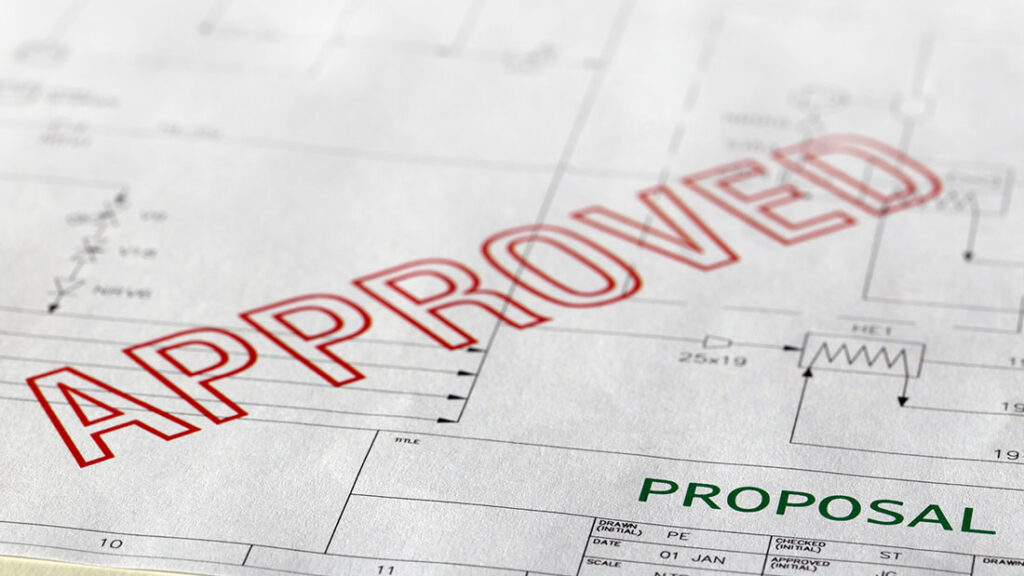
Architects and engineers assess whether the land is suitable for construction and design structures that comply with zoning regulations and site conditions. They consider soil type, topography, and environmental factors when planning buildings. Their input ensures that your project is safe, functional, and compliant with county development requirements.
Quantity Surveyor
A quantity surveyor helps manage construction costs by preparing accurate budgets, cost estimates, and financial plans. They ensure that your project remains within budget and help identify cost-saving opportunities without compromising quality. Their expertise is essential for financial planning and avoiding unexpected expenses during construction.
Working with these professionals ensures that every stage of land acquisition and construction is guided by expert knowledge. This reduces risks, improves decision-making, and significantly increases the likelihood of a successful and cost-efficient project.
Common Land Buying Mistakes Before Construction in Kenya
Many land buyers in Kenya make costly mistakes that affect their construction plans and long-term investment returns. These errors often result from rushing decisions, lack of proper research, or relying on incomplete information. Understanding these common pitfalls helps buyers make informed choices, avoid financial losses, and ensure smooth project execution.
Buying Based on Price Alone
One of the most common mistakes is choosing land solely because it is cheap. While low prices may seem attractive, they often hide underlying issues such as poor soil conditions, lack of infrastructure, or legal disputes. For example, a buyer may purchase affordable land only to discover later that it requires expensive excavation or lacks road access. The solution is to evaluate overall value, not just price, including location, utilities, and construction suitability.
Skipping Due Diligence
Some buyers fail to conduct proper due diligence before purchasing land. This includes not verifying ownership, ignoring title searches, or skipping site inspections. As a result, they may end up with land involved in disputes or owned by unauthorized sellers. A practical solution is to always involve a lawyer, conduct official searches through the Ministry of Lands, and physically inspect the property before making any payment.
Ignoring Zoning Regulations
Ignoring zoning rules can lead to serious development restrictions. For instance, buying land intended for residential use but located in an agricultural or protected zone can prevent approval for construction. The solution is to consult county planning departments early to confirm permitted land use and avoid future compliance issues.
Failing to Budget for Construction Challenges
Many buyers underestimate the additional costs of preparing land for construction. Expenses such as excavation, leveling, drainage, and utility connections can significantly increase the budget. For example, rocky or uneven land may require heavy machinery and extra engineering work. Proper financial planning should include all site preparation and infrastructure costs.
Trusting Brokers Without Verification
Relying entirely on brokers without independent verification is another major mistake. Some brokers may exaggerate details or omit critical information about ownership or land condition. Buyers should always verify all claims through official documents, surveyors, and legal professionals before committing to a purchase.
Avoiding these mistakes ensures safer investments, smoother construction processes, and better long-term returns on property development.
Land Buying Checklist Before Construction
Use this practical checklist to ensure you have fully evaluated a property before purchasing land for construction in Kenya. Each step helps reduce risks, prevent fraud, and confirm that the land is suitable for your intended development.
- Verify the title deed – Confirm authenticity and ensure the seller is the rightful owner.
- Conduct land search – Use the Ministry of Lands, ArdhiSasa, or eCitizen to check ownership details.
- Visit site – Physically inspect the land to confirm location, access, and condition.
- Confirm boundaries – Verify beacons and ensure measurements match official survey records.
- Verify zoning – Check with county planning offices to confirm permitted land use.
- Conduct soil tests – Assess soil type and load-bearing capacity for safe foundation design.
- Check utilities – Confirm availability of water, electricity, sewer, and internet connections.
- Assess environmental risks – Identify flood-prone areas, riparian zones, and drainage issues.
- Review legal documents – Examine sale agreements, charges, encumbrances, and approvals.
- Consult professionals – Engage a lawyer, surveyor, architect, and quantity surveyor for expert guidance.
Following this checklist ensures that your land purchase is legally secure, technically suitable, and financially viable. It helps you avoid common mistakes, reduce construction risks, and prepare confidently for successful development.
Conclusion: How Smart Land Buying Ensures Successful Construction in Kenya
Buying land is the first and most critical step in any construction project, and the decisions made at this stage directly influence the success, cost, and sustainability of the entire development. A well-planned land purchase goes beyond finding an affordable parcel; it requires careful evaluation of multiple factors that determine whether the land is truly suitable for construction.
Successful land buying is guided by several key considerations. Location selection ensures accessibility, demand, and long-term value growth. Ownership verification protects buyers from fraud and legal disputes. Site inspection helps identify physical conditions such as terrain, access, and encroachment issues. Soil testing determines ground stability and foundation requirements, while zoning compliance ensures that the intended development is legally permitted. Utility assessment evaluates access to water, electricity, drainage, and communication infrastructure. Environmental checks help identify risks such as flooding, riparian restrictions, and erosion-prone areas. Cost planning ensures buyers understand the full financial implications beyond the purchase price. Finally, professional support from lawyers, surveyors, architects, and engineers strengthens decision-making and reduces costly mistakes.