Learn the key building code requirements in Kenya, including approvals, zoning, safety standards, inspections, and compliance under the National Building Code 2024.
Building Code Requirements in Kenya: Everything You Need to Know Before Construction
Building code requirements in Kenya refer to the set of legal and technical rules that govern how buildings are planned, designed, approved, and constructed. These standards are designed to ensure that all structures are safe, durable, functional, and suitable for human use. They cover key aspects such as structural integrity, fire safety, sanitation, environmental protection, and accessibility, guiding every stage of construction from concept to completion.
Compliance with building codes is essential because it protects lives, property, and public infrastructure. Ignoring these regulations can lead to serious consequences such as structural failure, legal penalties, stop orders, or even demolition of unsafe buildings. Following approved standards also helps avoid costly mistakes and construction delays.
In Kenya, the National Building Code 2024 plays a central role in modernizing construction regulations. It replaces older frameworks with updated standards that reflect current urban development needs, safety expectations, and sustainable construction practices. The code applies across residential, commercial, industrial, and public developments, ensuring consistency in building quality nationwide.
All stakeholders in the construction industry must comply with these requirements. This includes homeowners, developers, architects, engineers, contractors, and consultants involved in any stage of building projects.
This guide provides a comprehensive overview of building code requirements in Kenya, including approval processes, planning and zoning rules, structural and safety standards, environmental obligations, inspection procedures, penalties for non-compliance, and practical compliance checklists to help ensure successful construction projects.
What Are Building Code Requirements in Kenya?
Definition of Building Codes
Building codes are a set of legal and technical standards that regulate the planning, design, construction, alteration, and maintenance of buildings. In Kenya, these regulations establish minimum requirements that ensure structures are safe, functional, and suitable for human occupation. Building codes cover various aspects of construction, including structural design, fire safety, ventilation, sanitation, accessibility, and environmental considerations. They provide a framework that guides construction professionals and property owners in developing buildings that comply with national and county regulations while protecting public safety and welfare.
Purpose of Building Regulations
The primary purpose of building regulations is to safeguard the health, safety, and well-being of building occupants and the surrounding community. These regulations help prevent structural failures, reduce fire risks, promote proper sanitation, and ensure adequate ventilation and lighting. Building codes also support environmental protection by encouraging sustainable construction practices, efficient resource utilization, and responsible waste management. By enforcing standards for structural integrity, authorities can ensure that buildings withstand environmental factors such as wind, heavy rainfall, and other potential hazards while remaining durable throughout their intended lifespan.
Who Must Follow the Building Code?
Building code requirements apply to all stakeholders involved in the construction process. Homeowners must obtain the necessary approvals before starting construction. Developers are responsible for ensuring projects comply with planning and regulatory requirements. Architects and engineers must prepare designs that meet legal and technical standards. Contractors are required to follow approved plans and use compliant construction methods and materials. Additionally, project managers, consultants, and property owners share responsibility for ensuring that every stage of construction adheres to the applicable building regulations in Kenya.
Understanding Kenya’s National Building Code 2024
Evolution from the 1968 Building By-Laws
Kenya’s National Building Code 2024 replaced the outdated Local Government (Adoptive By-Laws) Building Order of 1968, which had guided the construction industry for more than five decades. While the 1968 regulations served the country for many years, they were developed during a period when construction methods, building technologies, urban development patterns, and environmental concerns were significantly different from today’s realities. Rapid urbanization, population growth, high-rise developments, mixed-use buildings, and the increasing need for sustainable construction exposed gaps in the old regulations. The government introduced the National Building Code 2024 to address these modern challenges, align with international best practices, improve public safety, and create a more effective regulatory framework for Kenya’s growing construction sector.
Key Objectives of the New Code
The National Building Code 2024 aims to enhance safety, sustainability, efficiency, and accountability within the built environment. One of its primary objectives is to ensure that buildings are structurally sound and capable of protecting occupants from potential hazards. The code also promotes sustainable development by encouraging energy-efficient designs, responsible resource utilization, and environmentally friendly construction practices. Another key objective is improving efficiency in project planning, approval, and execution through standardized requirements and procedures. Additionally, the code supports digital compliance by facilitating modern approval systems, electronic documentation, and streamlined regulatory processes. These measures help reduce delays, improve transparency, and simplify compliance for property owners, developers, and construction professionals.

Scope of Application Across Kenya
The National Building Code 2024 applies throughout Kenya and covers virtually all categories of construction projects. It governs residential developments such as single-family homes, apartments, and gated communities. Commercial developments including office buildings, retail centers, hotels, and mixed-use projects must also comply with its requirements. Industrial facilities such as factories, warehouses, and manufacturing plants are subject to the code’s safety and operational standards. Public facilities including schools, hospitals, government buildings, places of worship, and recreational centers must adhere to the prescribed regulations. By providing a uniform framework, the code ensures consistent construction standards across counties while allowing local authorities to oversee implementation and enforcement.
Government Authorities Responsible for Building Compliance
County Governments
County governments are the primary authorities responsible for approving building plans and enforcing construction regulations within their jurisdictions. Through their physical planning and development departments, counties review proposed developments to ensure they comply with zoning requirements, land-use policies, building standards, and public health regulations. County governments also conduct inspections during construction and issue occupancy certificates upon successful completion of projects. Property owners and developers must obtain approval from the relevant county authority before commencing construction to avoid penalties and legal complications.
National Construction Authority (NCA)
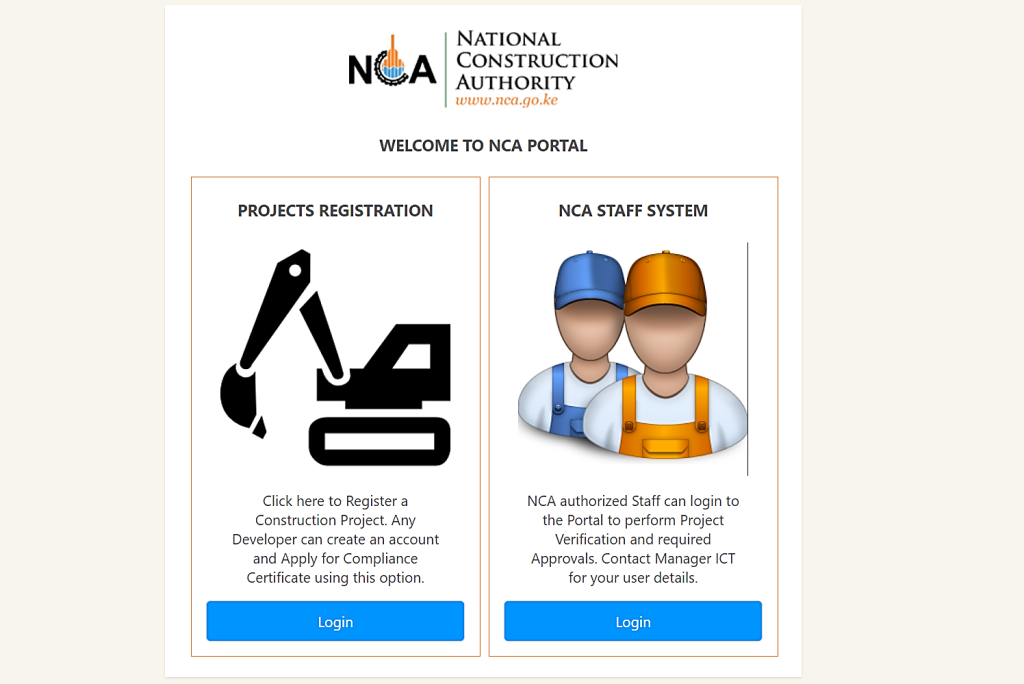
The National Construction Authority (NCA) plays a vital role in regulating Kenya’s construction industry. The authority oversees contractor registration, project registration, and enforcement of construction standards. It ensures that construction works are undertaken by qualified professionals and licensed contractors who meet established industry requirements. The NCA also promotes quality assurance, safety compliance, and professional accountability across construction projects. Through inspections and monitoring activities, the authority helps reduce substandard construction practices and encourages adherence to national building regulations and industry best practices.
National Environment Management Authority (NEMA)
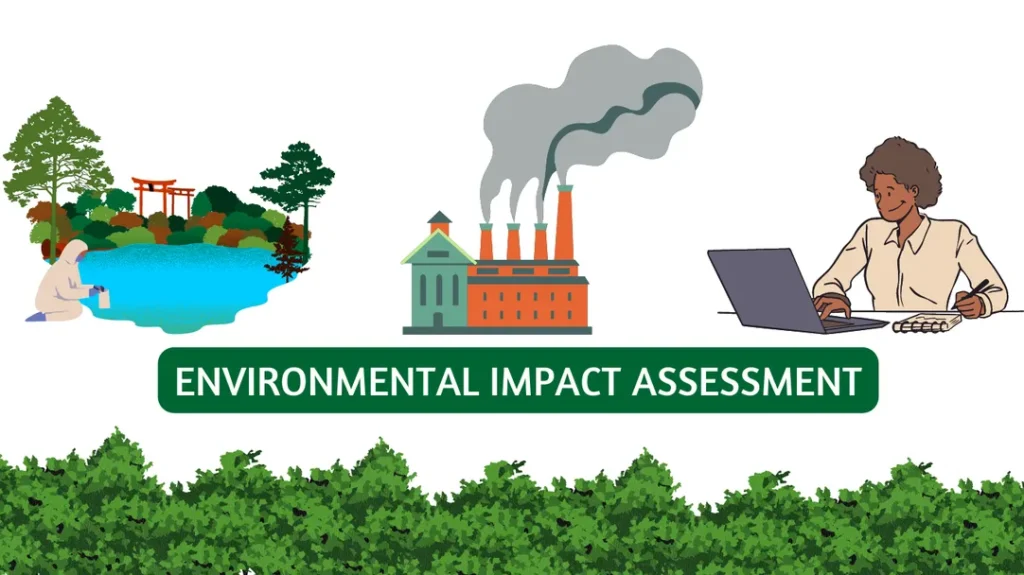
The National Environment Management Authority (NEMA) is responsible for ensuring that construction projects comply with environmental laws and regulations. For developments that may significantly affect the environment, NEMA may require an Environmental Impact Assessment (EIA) before approval is granted. The authority evaluates issues such as waste management, pollution control, water resource protection, and environmental sustainability. Compliance with NEMA requirements helps minimize negative environmental impacts and supports responsible development practices.
Other Regulatory Agencies
Several other agencies contribute to building compliance depending on the nature and location of a project. Water service providers may review drainage, sewerage, and water supply systems to ensure adequate service provision. Fire departments assess fire safety measures, including emergency exits, firefighting equipment, and evacuation routes. Utility providers such as electricity and telecommunications companies may also review infrastructure connections and service requirements. Together, these agencies help ensure that buildings are safe, functional, and capable of supporting the needs of occupants while complying with applicable regulations.
Building Plan Approval Requirements in Kenya
Obtaining building plan approval is one of the most important steps before commencing any construction project in Kenya. The approval process ensures that proposed developments comply with building regulations, zoning requirements, safety standards, and environmental guidelines. Failure to secure the necessary approvals can result in project delays, fines, stop-work orders, or demolition notices. Understanding the approval requirements helps property owners and developers navigate the process more efficiently and avoid costly mistakes.
Documents Required for Approval
Before submitting an application for approval, developers must prepare and submit several essential documents. Architectural drawings prepared and signed by a registered architect are required to show the building layout, elevations, floor plans, and site details. Structural drawings prepared by a qualified structural engineer must also be submitted to demonstrate the building’s structural stability and compliance with engineering standards. In addition, applicants are typically required to provide land ownership documents such as title deeds, lease agreements, or allotment letters as proof of ownership. Depending on the project, additional documents such as survey plans, environmental reports, and professional certifications may also be requested.

Submission Process
The submission process usually begins with the preparation of design drawings and supporting documentation by qualified professionals. The application is then submitted to the relevant county government through its planning and development department, often via an online approval portal. Applicants are required to pay the prescribed review fees before the plans are assessed. Once submitted, the documents are forwarded to various departments for technical evaluation and compliance verification.
Review and Approval Stages
During the review stage, county officials and technical experts assess the submitted plans to ensure compliance with zoning regulations, building codes, structural requirements, and public health standards. Where necessary, the plans may be referred to other regulatory agencies for additional approvals. If corrections are required, applicants are notified and given an opportunity to revise the documents before final approval is granted.
Estimated Approval Timelines
Approval timelines vary depending on the county, project complexity, and completeness of submitted documents. Small residential projects may receive approval within a few weeks, while larger commercial or multi-storey developments can take several months. Delays often occur when applications contain errors or require multiple regulatory reviews. Early preparation and accurate documentation can significantly speed up the approval process.
Common Reasons Applications Are Rejected
Many building applications are rejected because of incomplete documentation, inaccurate drawings, or failure to comply with zoning regulations. Other common reasons include insufficient structural details, inadequate setback provisions, land ownership disputes, and non-compliance with environmental requirements. Applications prepared by unqualified professionals may also face rejection. To improve approval chances, developers should engage registered professionals and ensure all documents are complete, accurate, and compliant before submission.
Plot Planning and Development Control Requirements
Plot planning and development control regulations play a crucial role in ensuring orderly urban growth, efficient land utilization, and sustainable development across Kenya. These requirements guide how land can be developed, the size and placement of buildings, and the activities permitted on specific parcels of land. County governments enforce these regulations to prevent overcrowding, protect public infrastructure, and maintain healthy living environments. Before commencing construction, developers must understand the applicable planning controls to ensure compliance and avoid costly delays or penalties.
Plot Coverage Regulations
Plot coverage refers to the percentage of a plot that may be occupied by buildings and other permanent structures. County planning authorities establish maximum plot coverage limits to ensure adequate open spaces for ventilation, natural lighting, landscaping, drainage, and emergency access. The allowable coverage varies depending on the zoning classification and intended use of the property. Residential developments generally have lower plot coverage limits compared to commercial or industrial developments. Exceeding the approved coverage percentage may result in rejection of building plans or enforcement action by regulatory authorities.
Floor Area Ratios and Plot Ratios
Floor Area Ratio (FAR), commonly known as plot ratio, determines the maximum amount of floor space that can be developed on a specific parcel of land. It is calculated by dividing the total floor area of all building levels by the size of the plot. Higher plot ratios are often permitted in urban centers and high-density development zones, while lower ratios apply in low-density residential areas. These controls help regulate population density, infrastructure demand, and building heights while ensuring balanced urban development and efficient land use.
Zoning Requirements
Zoning regulations divide land into specific categories such as residential, commercial, industrial, agricultural, and mixed-use zones. Each zone has distinct development standards regarding building height, density, setbacks, and permitted activities. Developers must ensure that their proposed projects align with the designated zoning requirements before seeking approval. Failure to comply with zoning regulations can lead to application rejection or legal enforcement measures.
Land Use Restrictions
Land use restrictions determine the types of activities and developments allowed within a particular area. These restrictions are designed to prevent conflicts between incompatible land uses and promote orderly community development. For example, heavy industrial activities may be prohibited in residential neighborhoods, while environmentally sensitive areas may have strict development limitations. Additional restrictions may apply near highways, airports, water bodies, utility corridors, and protected zones. Understanding these requirements helps developers select suitable sites and avoid planning disputes during project implementation.
Building Setbacks, Boundaries, and Open Spaces
Building setbacks, boundary regulations, and open space requirements are essential components of Kenya’s building and planning framework. These rules help create safe, healthy, and well-organized developments by ensuring adequate spacing between structures, proper access, natural lighting, ventilation, and privacy. Compliance with setback requirements also facilitates emergency response, infrastructure maintenance, and sustainable urban development. Before designing a building, developers should verify the applicable setback standards with the relevant county government, as requirements may vary depending on zoning classifications and land use categories.
Front Setbacks
Front setbacks refer to the minimum distance that a building must be positioned from the front property boundary or road reserve. These setbacks help create uniform streetscapes, improve road visibility, and provide space for landscaping, parking, and utility infrastructure. Front setback requirements vary depending on the type of development, road classification, and zoning regulations. Maintaining the required front setback also helps prevent encroachment onto public land and ensures future road expansion can be accommodated without affecting private developments.
Side and Rear Setbacks
Side and rear setbacks are the required distances between a building and its side or rear property boundaries. These setbacks provide adequate space for maintenance activities, emergency access, natural lighting, and airflow around structures. They also reduce the risk of fire spreading between neighboring properties and help maintain privacy for occupants. In densely populated urban areas, setback requirements may be adjusted based on building height, plot size, and intended use, but compliance remains a critical approval requirement.
Boundary Wall Requirements
Boundary walls must be constructed in accordance with county planning regulations and should not interfere with neighboring properties, public roads, drainage systems, or utility corridors. The height, design, and location of boundary walls may be regulated to preserve visibility, safety, and neighborhood aesthetics. Developers must ensure that walls are built within property boundaries and do not obstruct pedestrian pathways or access routes. In some cases, approval may be required before constructing high perimeter walls, especially in urban developments and gated communities.
Window and Privacy Regulations
Window placement is regulated to balance natural lighting, ventilation, and privacy concerns. Building designs should ensure that windows do not directly overlook neighboring properties in a manner that compromises privacy. Certain developments may require minimum distances between windows and adjacent boundaries, particularly for habitable rooms. Window regulations also encourage sufficient daylight penetration and air circulation within buildings, improving occupant comfort and reducing dependence on artificial lighting. Proper window positioning contributes to healthier indoor environments while maintaining good neighborly relations.
Importance of Ventilation and Access
Adequate ventilation and access are fundamental requirements in modern building design. Open spaces around buildings allow fresh air to circulate freely, helping reduce indoor pollutants, moisture buildup, and excessive heat. Proper access routes also facilitate emergency response, maintenance operations, and safe movement of occupants. Compliance with ventilation and access requirements enhances public health, improves building performance, and supports the creation of safe, comfortable, and sustainable living and working environments.
Structural Design and Safety Requirements
Structural design and safety requirements are among the most critical aspects of Kenya’s building regulations. Every structure must be designed and constructed to safely withstand the loads and environmental forces it is likely to encounter throughout its lifespan. Proper structural design protects occupants, preserves property, and reduces the risk of collapse or major structural failures. The National Building Code 2024 emphasizes the use of qualified professionals, approved construction methods, and adherence to recognized engineeringstandards to ensure buildings remain safe, durable, and fit for their intended purpose.
Structural Engineering Standards
All building structures must be designed by qualified and registered structural engineers using accepted engineering principles and standards. Structural calculations, drawings, and specifications should demonstrate that the building can safely resist anticipated loads and stresses. Engineering standards govern the design of structural components such as beams, columns, slabs, retaining walls, and roofs. These standards also address material quality, workmanship, durability, and safety factors. Compliance with structural engineering requirements helps ensure that buildings maintain their integrity under normal operating conditions and remain safe for occupants throughout their service life.
Foundation Requirements
A building’s foundation must be designed according to the soil conditions, building type, and anticipated structural loads. Proper site investigations and soil assessments help determine the most suitable foundation system. Foundations must provide adequate support, prevent excessive settlement, and ensure stability throughout the structure’s lifespan. Poor foundation design can lead to cracking, uneven settlement, and serious structural defects.
Wind and Seismic Considerations
Structural designs must account for environmental forces such as wind loads and potential seismic activity. Buildings located in areas exposed to strong winds require appropriate reinforcement and structural detailing to resist uplift and lateral forces. Although major earthquakes are relatively uncommon in Kenya, certain regions may experience seismic activity. Engineers must therefore consider seismic risks when designing structures to minimize damage and protect occupants during unexpected events.
Load-Bearing Design Requirements
Load-bearing design ensures that a building can safely support all expected loads throughout its life cycle. These include dead loads from the building’s own weight, live loads from occupants and movable objects, and environmental loads such as wind and rain. Structural elements must be properly sized, reinforced, and connected to distribute these loads safely to the foundation. Engineers must also consider future usage patterns and occupancy requirements when designing structural systems. Proper load-bearing design reduces the risk of structural failure, enhances building durability, and ensures compliance with safety regulations established under Kenya’s building code.
Approved Building Materials and Quality Standards
The quality of building materials plays a major role in ensuring the safety, durability, and performance of structures in Kenya. The National Building Code 2024 requires that all construction materials used in any project meet approved quality standards to prevent structural failures, reduce maintenance costs, and enhance occupant safety. Developers, contractors, and suppliers must therefore adhere to strict material regulations set by national standards bodies and enforcement agencies.
Kenya Bureau of Standards (KEBS) Requirements
The Kenya Bureau of Standards (KEBS) is responsible for setting and enforcing quality standards for construction materials used in the country. All materials such as cement, steel, aggregates, roofing sheets, and blocks must meet KEBS specifications before being approved for use in construction projects. KEBS conducts testing, certification, and quality control checks to ensure that materials meet safety and performance benchmarks. Using uncertified materials may lead to project rejection, structural risks, or legal penalties, making compliance with KEBS requirements essential for all construction stakeholders.
Approved Construction Materials
Approved construction materials in Kenya include certified cement, reinforced steel bars, treated timber, quality aggregates, and approved roofing materials such as tiles and metal sheets. These materials must be sourced from recognized suppliers and must meet strength, durability, and safety standards. The use of substandard or counterfeit materials is strictly prohibited under building regulations due to the risks they pose to structural integrity and occupant safety. Proper selection of materials ensures long-term performance and compliance with building code requirements.
Use of Recycled and Alternative Materials
The National Building Code 2024 also encourages the use of sustainable and environmentally friendly construction materials where appropriate. Recycled materials and alternative building products may be used provided they meet the required performance and safety standards set by KEBS. Examples include recycled aggregates, eco-friendly bricks, and energy-efficient insulation materials. However, such materials must undergo proper testing and certification before approval. This approach promotes sustainability, reduces environmental impact, and supports innovation in Kenya’s construction industry while maintaining structural safety and quality standards.
Fire Safety Requirements Under Kenya Building Code
Fire safety requirements are a fundamental part of Kenya’s building regulations, designed to protect lives, property, and ensure safe evacuation during emergencies. The National Building Code 2024 emphasizes proactive fire prevention measures in both residential and commercial developments. Developers, architects, and contractors must incorporate fire safety systems at the design stage to reduce fire risks and enhance emergency preparedness. Compliance with these requirements is mandatory before occupancy approval is granted.
Fire Escape Routes
Fire escape routes must be clearly planned and unobstructed to allow safe evacuation of occupants during a fire emergency. These routes should be easily accessible from all occupied areas of a building and must lead directly to a safe open space outside the structure. Corridors, staircases, and exit pathways should be wide enough to accommodate occupants efficiently. Materials used in escape routes should be fire-resistant where possible to slow the spread of flames and smoke, ensuring sufficient time for evacuation.
Emergency Exits
Buildings must have adequate emergency exits based on their size, occupancy, and use. These exits should be strategically located to allow quick evacuation from multiple points in the building. Emergency doors must open outward and remain easily operable without keys or special tools during emergencies. Clear signage and illumination are also required to guide occupants toward exits, especially in low-visibility conditions or power outages.
Fire Detection Systems
Fire detection systems are essential for early identification of fire incidents. These systems may include smoke detectors, heat sensors, and alarm systems that alert occupants immediately when a fire is detected. In larger buildings, integrated fire alarm systems connected to central monitoring points may be required. Early detection significantly reduces response time, minimizing damage and increasing the chances of safe evacuation.

Firefighting Equipment Requirements
All buildings must be equipped with appropriate firefighting equipment based on their size and risk level. Common equipment includes fire extinguishers, hose reels, sprinkler systems, and fire blankets. These devices should be strategically placed, regularly maintained, and easily accessible. In commercial and high-rise buildings, additional fire suppression systems may be required. Proper training and signage should also be provided to ensure occupants can use firefighting equipment effectively during emergencies.
Environmental and Sustainability Requirements
Environmental and sustainability requirements in Kenya’s building code are designed to reduce the negative impact of construction on the environment while promoting efficient use of resources. The National Building Code 2024 encourages developers to adopt eco-friendly practices that support long-term environmental protection, energy efficiency, and responsible waste management. These requirements apply to both residential and commercial developments and are increasingly enforced through environmental assessments and planning approvals.
Energy Efficiency Standards
Energy efficiency standards require buildings to be designed and constructed in ways that minimize energy consumption. This includes proper insulation, natural lighting, ventilation, and the use of energy-efficient appliances and systems. Developers are encouraged to incorporate renewable energy sources such as solar power to reduce dependence on non-renewable energy. Efficient building orientation and design can also significantly reduce heating, cooling, and lighting costs over the building’s lifespan.
Water Conservation Measures
Water conservation measures focus on reducing water wastage and promoting sustainable usage. Buildings are encouraged to incorporate systems such as rainwater harvesting, low-flow fixtures, and water recycling systems where possible. Proper plumbing design helps prevent leaks and ensures efficient water distribution. These measures not only reduce utility costs but also help conserve Kenya’s limited water resources.
Waste Management Requirements
Construction projects must include proper waste management strategies to handle both construction and operational waste. This includes safe disposal of construction debris, recycling of suitable materials, and proper handling of hazardous waste. Developers are required to ensure that waste does not pollute the environment or block drainage systems. Effective waste management contributes to cleaner construction sites and healthier surrounding communities.
Green Building Considerations
Green building practices promote environmentally responsible and resource-efficient construction throughout a building’s life cycle. This includes using sustainable materials, improving energy performance, and reducing environmental impact. Developers are encouraged to integrate green building principles into design and construction to support long-term sustainability and align with modern environmental standards in Kenya.
Accessibility Requirements for Public Buildings
Accessibility requirements ensure that public buildings in Kenya are usable by all individuals, including persons with disabilities, the elderly, and people with limited mobility. The National Building Code 2024 emphasizes inclusive design principles that promote equal access to services, facilities, and opportunities within the built environment. Developers and designers must integrate accessibility features at the planning stage to comply with legal standards and create safe, user-friendly spaces.
Access for Persons with Disabilities
Public buildings must be designed to accommodate persons with disabilities by providing barrier-free access to essential facilities. This includes accessible entrances, wide doorways, and properly designed internal circulation spaces such as corridors and lifts. Facilities like toilets, parking areas, and service counters must also be adapted to meet accessibility needs. Clear signage, tactile indicators, and audible systems may be required to assist individuals with visual or hearing impairments. These measures ensure equal participation and independence for all users.
Ramps and Entry Requirements
Ramps are required where there are changes in elevation to ensure easy access for wheelchair users and individuals with mobility challenges. They must be designed with appropriate slopes, non-slip surfaces, and handrails for safety and support. Entrances should be wide, unobstructed, and positioned to allow smooth movement into and out of the building. Automatic or easily operable doors are often recommended in public facilities to enhance accessibility.
Public Facility Compliance Standards
Public facilities such as schools, hospitals, offices, and transport terminals must comply with accessibility standards set under the building code. These standards ensure that all users can safely and comfortably access services without discrimination. Compliance includes adequate parking spaces for persons with disabilities, accessible washrooms, and properly designed circulation paths. Regular inspections help ensure that accessibility features are maintained and functional throughout the building’s lifespan.
Inspection Requirements During Construction
Inspections during construction are a mandatory part of Kenya’s building control process. They ensure that every stage of a project complies with approved plans, structural safety standards, and the National Building Code 2024. County inspectors and other authorized professionals conduct these checks to verify workmanship, material quality, and adherence to regulations. Regular inspections help detect errors early, prevent costly corrections, and ensure that buildings are safe for occupation upon completion.
Foundation Inspection
Foundation inspection is carried out before and during the casting of the foundation to ensure proper excavation, soil conditions, and reinforcement placement. Inspectors verify that the foundation depth, materials, and layout match the approved structural drawings. Any deviations must be corrected before concrete is poured to ensure long-term stability and prevent structural failure.
Structural Stage Inspections
Structural inspections take place during the construction of key load-bearing elements such as columns, beams, slabs, and walls. Inspectors assess reinforcement placement, concrete quality, and adherence to engineering specifications. This stage is critical in ensuring that the building can safely carry all anticipated loads and meet structural safety standards.
Roofing Inspection
Roofing inspections are conducted to ensure that the roof structure is properly installed and aligned with approved designs. Inspectors check truss spacing, material quality, waterproofing systems, and overall stability. Proper roofing installation is essential for weather protection, durability, and structural integrity.
Final Occupancy Inspection
The final inspection is conducted once construction is complete to confirm that the building is safe and compliant for occupation. Inspectors evaluate all systems, including structural safety, fire protection, sanitation, and accessibility. Only after passing this inspection is an occupancy certificate issued, allowing legal use of the building.
Penalties for Violating Building Code Requirements in Kenya
Violating building code requirements in Kenya can lead to serious legal, financial, and operational consequences. The National Building Code 2024 and related regulations empower county governments and enforcement agencies to take strict action against non-compliant developments. These penalties are intended to discourage unsafe construction practices, protect public safety, and ensure adherence to approved planning and structural standards.
Stop Orders
A stop order is issued when a construction project is found to be proceeding without approval or in violation of approved plans. Once issued, all construction activities must cease immediately until the identified issues are corrected. Continued work after a stop order can result in further penalties or legal action. Stop orders are commonly used to enforce compliance during ongoing construction stages.
Demolition Notices
Demolition notices are issued for structures that are severely non-compliant or pose significant safety risks. If a building is constructed without approval or violates critical regulations such as zoning or structural safety, authorities may require partial or complete demolition. This measure ensures that unsafe or illegal structures do not endanger occupants or the public.
Fines and Legal Consequences
Developers and property owners who violate building regulations may face substantial fines imposed by county governments or regulatory authorities. In serious cases, legal proceedings may be initiated, potentially leading to prosecution. Professionals involved in non-compliant construction, including contractors and consultants, may also face license suspension or revocation. These penalties reinforce accountability across the construction industry.
Delays and Financial Losses
Non-compliance often results in significant project delays as construction is halted pending corrections or approvals. These delays can increase labor costs, material expenses, and financing charges. In extreme cases, projects may be abandoned entirely, leading to major financial losses. Ensuring compliance from the outset helps avoid these costly setbacks and supports smooth project execution.
Common Building Code Mistakes Made by Kenyan Developers
Many construction delays, penalties, and structural failures in Kenya result from avoidable mistakes made by developers. Despite clear regulations under the National Building Code 2024, some property owners and contractors still overlook essential requirements during planning and construction. Understanding these common errors helps improve compliance, reduce risks, and ensure successful project delivery.
Building Without Approval
One of the most serious mistakes is starting construction without obtaining the necessary approvals from the county government. This often leads to stop orders, fines, or even demolition of the structure. Proper plan approval ensures that the project complies with zoning, safety, and structural standards before any work begins.
Ignoring Setback Rules
Some developers ignore required setbacks from property boundaries, roads, or neighboring structures. This results in non-compliant buildings that may obstruct access, reduce ventilation, or violate planning regulations. Such violations can force costly redesigns or demolition of affected sections.
Hiring Unqualified Professionals
Engaging unregistered or unqualified architects, engineers, or contractors is another common mistake. This often leads to poor design, structural weaknesses, and non-compliance with building standards. Only licensed professionals should be involved in preparing and executing construction projects.
Using Substandard Materials
The use of counterfeit or low-quality materials compromises the safety and durability of buildings. Substandard cement, steel, or roofing materials can lead to premature deterioration or structural failure. All materials should meet KEBS standards and be sourced from approved suppliers.
Failure to Conduct Inspections
Skipping mandatory construction inspections can result in undetected errors at critical stages such as foundation, structural, and roofing works. This increases the risk of defects and non-compliance. Regular inspections ensure that construction aligns with approved plans and safety requirements.
Building Code Compliance Checklist for Homeowners
A clear compliance checklist helps homeowners in Kenya avoid costly mistakes and ensures that every stage of construction aligns with the National Building Code 2024. From planning to occupancy, following the correct procedures improves safety, reduces delays, and guarantees that the building meets legal and technical standards. Homeowners should work closely with qualified professionals and county authorities throughout the process.
Before Construction
Before starting construction, ensure that you have valid land ownership documents such as a title deed or lease. Engage a registered architect and structural engineer to prepare approved drawings that meet zoning and planning requirements. Submit the plans to the relevant county government for approval and obtain all necessary permits. Verify setback rules, plot coverage limits, and environmental requirements before breaking ground to avoid future compliance issues.
During Construction
During construction, ensure that only approved plans are followed without unauthorized changes. Hire licensed contractors and ensure materials meet KEBS standards. Schedule mandatory inspections at key stages, including foundation, structural works, and roofing. Maintain proper site records and ensure safety measures are followed to protect workers and surrounding property. Any modifications should be approved by relevant authorities before implementation.
Before Occupation
Before occupying the building, request a final inspection from the county authorities to confirm compliance with all building regulations. Ensure that fire safety systems, sanitation facilities, electrical installations, and structural elements meet required standards. Obtain an occupancy certificate, which legally authorizes use of the building. Address any defects or compliance issues identified during inspection before moving in. This final step ensures safety, legality, and long-term durability of the property.
Future of Building Regulations in Kenya
The future of building regulations in Kenya is shifting toward more technology-driven, efficient, and sustainable systems. With rapid urbanization and increasing construction demand, regulatory bodies are adopting modern solutions to improve compliance, reduce delays, and enhance transparency. The National Building Code 2024 sets the foundation for a more digital and environmentally conscious construction industry.
Smart Building Technologies
Smart building technologies are expected to play a major role in future developments. These include automated building management systems, energy-efficient sensors, and intelligent security systems. Such technologies improve safety, reduce energy consumption, and enhance overall building performance. As adoption increases, regulatory frameworks will evolve to accommodate and standardize smart infrastructure in both residential and commercial buildings.
Digital Approval Systems
Digital approval systems are transforming how building plans are reviewed and approved in Kenya. Online submission platforms reduce paperwork, improve efficiency, and increase transparency in the approval process. Developers can track application progress in real time, reducing delays and improving accountability among regulatory authorities. This shift supports faster project implementation and better service delivery.
Sustainable Construction Standards
Sustainable construction standards are becoming increasingly important in Kenya’s building sector. Future regulations are expected to place greater emphasis on green building materials, energy efficiency, water conservation, and reduced environmental impact. Developers will be encouraged to adopt eco-friendly designs that minimize carbon footprints while improving long-term cost efficiency. These standards aim to create safer, greener, and more resilient urban environments.
Conclusion – Why Building Code Compliance Is Essential for Successful Construction in Kenya
Building code compliance is a critical foundation for any successful construction project in Kenya. The National Building Code 2024 provides a comprehensive framework that guides how buildings are planned, designed, approved, and constructed to ensure safety, durability, and sustainability. Throughout this guide, we have explored the key components that shape construction standards, including building approvals, planning regulations, structural requirements, fire safety measures, environmental standards, inspections, and practical compliance checklists for homeowners and developers.
Building approvals remain the first and most important step before construction begins, ensuring that all designs meet legal and technical requirements. Planning regulations such as zoning, plot coverage, and setbacks help maintain organized urban development and efficient land use. Structural requirements guarantee that buildings are safe and capable of withstanding environmental forces and daily usage, while fire safety provisions protect lives through proper emergency planning, exits, and detection systems. Environmental standards encourage sustainable construction practices that reduce resource consumption and environmental impact, while regular inspections ensure that every stage of construction aligns with approved plans and safety regulations. A structured compliance checklist further helps homeowners and developers avoid costly mistakes and delays.
Ultimately, building code compliance is not merely a legal requirement—it is the foundation of safe, durable, and sustainable construction. Whether you are building a family home, commercial property, apartment block, or industrial facility, understanding Kenya’s building code requirements helps you avoid costly mistakes, project delays, penalties, and structural failures. By working with qualified professionals and following approved standards, developers can ensure their projects meet modern safety expectations while protecting occupants and maximizing long-term property value.
Call to Action
Before starting your next construction project, consult licensed architects, engineers, and county planning authorities to ensure full compliance with the National Building Code 2024. Proper planning today guarantees a safer, more efficient, and more profitable building tomorrow.