Discover all permits required before building in Kenya in 2026. Learn step-by-step processes, costs, timelines, NEMA & NCA approvals, county building plans, and practical tips to ensure legal, safe, and compliant construction.
Introduction — Why Building Permits Matter in Kenya
All Permits Required Before Building in Kenya
Building a house, apartment, or commercial structure in Kenya is a major investment, and ensuring that your project complies with legal requirements is critical. One of the most important steps before breaking ground is obtaining the necessary building permits. A building permit is an official approval issued by the relevant authorities allowing you to legally start construction. These permits are not only a legal requirement but also ensure that your building project is safe, sustainable, and in line with Kenya’s urban planning and environmental regulations.
Kenya’s construction sector is regulated by multiple legal frameworks, including the Physical and Land Use Planning Act, National Building Code, National Construction Authority (NCA) Act, and the Environmental Management and Coordination Act. Building without the proper permits can lead to severe consequences, including fines, demolition orders, or legal disputes with neighbors or government agencies.
In this guide, we cover all the permits required before building in Kenya, the agencies responsible for issuing them, the step-by-step application process, costs, timelines, and practical tips to avoid delays. By following this comprehensive guide, you can ensure your construction project is fully compliant and legally protected.
Overview of the Permit System in Kenya
Kenya’s permit system is designed to regulate building activities, maintain safety standards, and ensure sustainable development. Due to the country’s devolved system, building permit procedures can vary from county to county. Each county government has a planning department that oversees the issuance of building approvals, while national agencies provide additional compliance oversight.
Key authorities involved in building permits include:
- County Government Planning Department – Issues development approvals and ensures compliance with zoning regulations.
- National Environment Management Authority (NEMA) – Provides environmental clearance, especially for large projects or those near sensitive areas.
- National Construction Authority (NCA) – Registers projects and ensures contractors are qualified and compliant with national construction standards.
- Public Health Departments – Approve sanitation, drainage, and water connections.
Generally, residential, commercial, and industrial projects require building permits. Even small renovations may require approvals depending on the scope and location. Understanding the permit system upfront saves you from legal complications and construction delays.
Required Permits Before Building in Kenya
Kenya has several mandatory permits for construction. Below is a detailed breakdown.
County Government Building Plan / Development Approval
The building plan approval from your county government is the main permit that allows you to start construction legally. It ensures your project complies with zoning laws, fire safety regulations, health requirements, and building standards.
Required documents include:
- Certified architectural and structural plans prepared by licensed professionals.
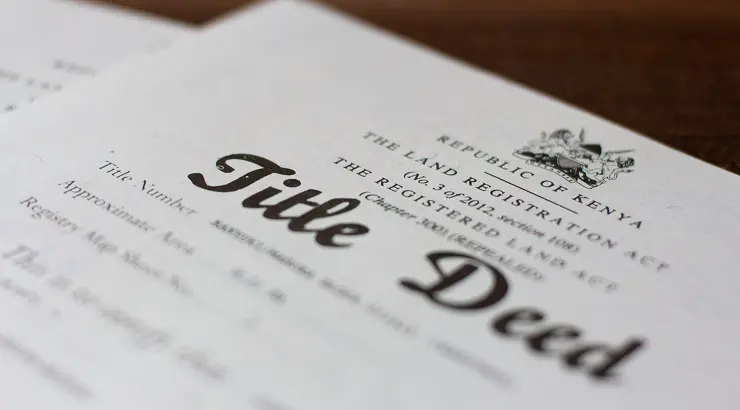
- Proof of land ownership (title deed or lease agreement).
- Survey plan and beacon certificate from a licensed surveyor.
- Land rates clearance certificate.
- Environmental impact considerations (if applicable).
The submission process can be manual or via online county portals, depending on the county. Once submitted, the planning office reviews the documents to ensure compliance with setbacks, floor area ratio, height restrictions, and plot coverage. Approval may be conditional, requiring minor changes before final issuance.
Tips to avoid delays:
- Submit complete and accurate documents.
- Hire qualified professionals (architect, structural engineer, and surveyor).
- Follow up on your application periodically.
Permit validity varies, but typically approvals are valid for 6–12 months. Extensions are possible if construction has not yet started.
National Environment Management Authority (NEMA) Approval / EIA License
The Environmental Impact Assessment (EIA) license ensures that your project does not negatively impact the environment. Projects that may affect water bodies, forests, wetlands, or public health usually require NEMA approval.
Types of EIA reports include:
- Project Brief / Summary Report – For small-scale developments with minimal environmental impact.
- Comprehensive EIA Report – Required for large commercial or industrial projects.
Submission is done online via NEMA’s portal or directly at their offices. Approval confirms that your project meets environmental protection standards and is a critical requirement for building permits in most counties.
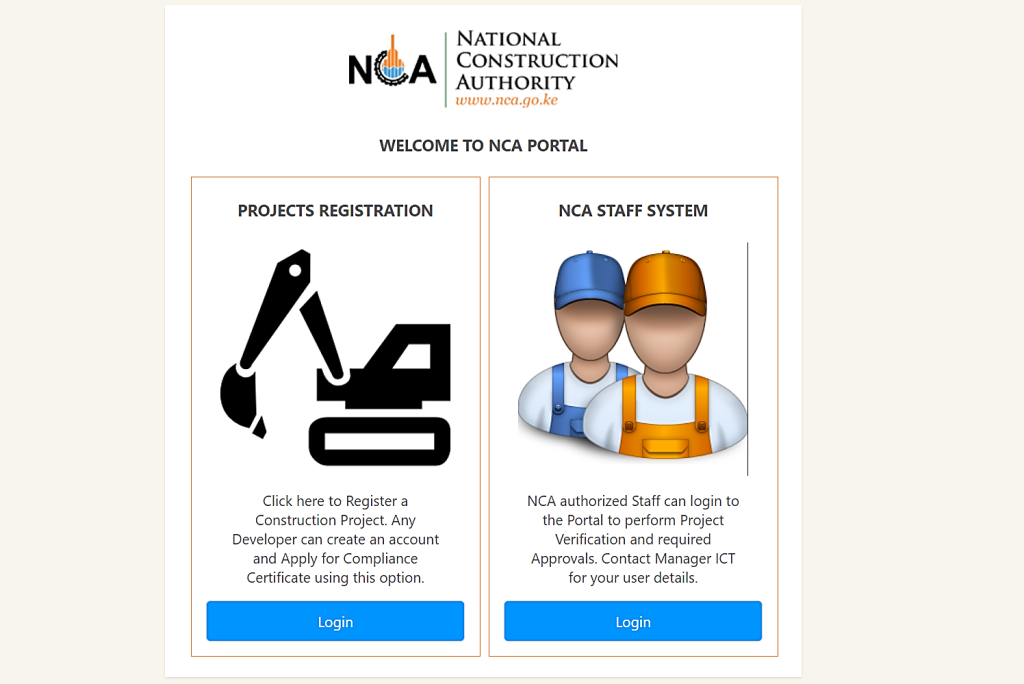
National Construction Authority (NCA) Project Registration
The NCA ensures that contractors and construction projects meet national standards. Before starting construction, your project must be registered with the NCA, and your contractor must be NCA-registered as well.
Requirements for NCA registration:
- Copy of approved county building plan.
- Contractor’s registration certificate.
- Project details including cost estimates and timelines.
NCA monitors construction sites to ensure compliance with technical and safety standards. Project registration provides legal protection and ensures professionalism on site.
Survey Plan & Beacon Certificate
A survey plan and beacon certificate are critical documents that confirm the exact boundaries of your property before construction begins. These documents are prepared by a licensed surveyor, who visits your land to accurately mark and measure the plot’s limits using professional surveying equipment. Proper surveying ensures that your building stays within your property lines and avoids encroaching on neighboring plots, which can lead to costly disputes or legal challenges.
The survey plan provides a detailed layout of your land, showing dimensions, angles, and boundary points. It also includes references to adjacent plots and access roads. The beacon certificate, on the other hand, serves as official proof that the boundaries have been physically marked on the ground using beacons or markers.
These documents are mandatory for building plan approval and must be submitted to the county planning office along with your architectural and structural drawings. Many counties will reject your application outright if the beacon certificate is missing or incorrectly prepared, making it an essential step in the construction permit process.
Properly prepared survey plans and beacon certificates not only protect your property rights but also streamline the approval process, reducing delays and ensuring compliance with county regulations.
Public Health / Sanitation Approvals
Before construction can commence, county authorities in Kenya require public health clearance to ensure your building meets sanitation, hygiene, and drainage standards. This approval is designed to protect both residents and the surrounding community from health hazards associated with poor waste management or inadequate water systems.
The clearance process evaluates several aspects, including sewage and drainage systems, proper waste disposal methods, and water supply connections. For residential or commercial buildings, the county may also inspect plans for septic tanks, soak pits, or connection to municipal sewer lines, depending on the location and scale of the project.
The Public Health Department of the county is responsible for issuing this approval. In many counties, public health inspections and clearance are integrated into the building plan approval process, meaning that health compliance must be demonstrated before final building permits are issued.
Obtaining this approval ensures that your construction project complies with sanitation regulations, avoids potential fines or legal issues, and safeguards the well-being of future occupants. Prioritizing public health approvals early in your permit application helps prevent delays and demonstrates full compliance with county building standards.
Utility Connection Approvals (Optional before Start)
While utility connection approvals are not always mandatory before construction begins, planning for electricity and water connections early can save significant time and prevent delays after your building is completed.
For electricity, the Kenya Power & Lighting Company (KPLC) is responsible for reviewing applications and approving new power connections. Proper planning ensures your building will have reliable electrical supply without costly modifications later. For water and sewerage, county-level departments handle approvals, ensuring that your property meets standards for safe water supply, drainage, and waste management.
Submitting utility applications early allows authorities to schedule inspections, design the connections, and integrate your building into existing networks. Early preparation streamlines post-construction utility installation, avoids unnecessary delays, and ensures your property is fully functional and compliant once construction is complete.
Step‑by‑Step Permit Application Process in Kenya
Obtaining all the necessary permits before starting construction in Kenya can seem overwhelming, but following a clear, step-by-step process makes it manageable. Below is a comprehensive guide to navigating the permit application process efficiently:
- Engage licensed professionals – Begin by hiring a team of qualified experts, including a licensed architect, structural engineer, surveyor, and quantity surveyor. Their expertise ensures that your plans meet both technical and legal standards, which is critical for successful permit approval.
- Prepare full building documents – Gather all necessary documents, including architectural and structural plans, survey and beacon certificates, title deed or lease, land rates clearance, and environmental considerations. Accurate and complete documentation is key to avoiding rejections or delays.
- Submit to the county planning office – Depending on your county, submissions may be manual or via online e-permit portals. Ensure all documents are properly organized and complete before submission.
- Facilitate department reviews – Once submitted, your application is reviewed by multiple departments, including public health, fire, environment, and utilities. Be ready to provide additional information or clarifications promptly to avoid delays.
- Obtain conditional approval – The county may issue a conditional approval requiring minor modifications to your plans. Address these adjustments quickly and resubmit to secure final approval.
- Register project with NCA – Ensure that your contractor is NCA-registered and that the project is formally registered with the National Construction Authority. This step ensures compliance with national construction standards.
- Secure NEMA approval – For projects that may impact the environment, obtaining an Environmental Impact Assessment (EIA) from NEMA is mandatory. This approval demonstrates that your project meets environmental protection standards.
- Receive official permit certificate – Once all requirements are satisfied, the county issues the official building permit certificate. Display it on-site and keep copies for your records, inspections, and future reference.
Following this step-by-step process not only reduces delays but also ensures that your construction project fully complies with both county and national regulations, protecting your investment and preventing legal or financial penalties.

Cost, Timelines & Practical Tips
Understanding the costs and timelines associated with building permits in Kenya is essential for effective project planning. Each permit type has different processing times and fees, which can vary depending on the county and the scale of your project.
Typical Timelines
- County Building Plan Approval: The review and approval process usually takes 2–8 weeks, depending on the completeness of your documents and the efficiency of the county planning office. Delays are common if documents are incomplete or if corrections are required.
- NEMA Approval (EIA License): Environmental clearance can take 3–6 weeks, especially for large commercial or industrial projects. Simple residential projects may have shorter timelines if a summary EIA suffices.
- NCA Project Registration: Registering your project with the National Construction Authority is typically faster, taking 1–2 weeks once all required documents are submitted.
Cost Estimates
- County Building Permits: Fees range from KSh 10,000 to 150,000, depending on the project size and complexity.
- NEMA EIA License: Costs vary between KSh 15,000 and 100,000, based on whether a summary or full EIA report is required.
- NCA Registration: Project registration typically costs KSh 5,000 to 20,000, depending on the project category and contractor credentials.
Practical Tips to Avoid Delays and Additional Costs
- Engage qualified professionals: Hiring licensed architects, structural engineers, and surveyors ensures your plans meet regulatory standards and reduces chances of rejection.
- Submit all documents together: Consolidating your submission minimizes back-and-forth with county offices and speeds up approvals.
- Use county e-permit portals: Online submissions are faster and allow you to track application progress.
- Keep records of approvals: Maintain copies of all permits and correspondence to avoid future disputes or compliance issues.
By carefully planning for timelines, budgeting for fees, and following these practical tips, you can ensure that your building project in Kenya proceeds smoothly and complies with all regulatory requirements.
Avoiding Common Permit Mistakes
When applying for building permits in Kenya, many property owners encounter avoidable issues that can delay or even halt construction. Understanding and steering clear of common mistakes ensures that your project remains legal, safe, and professionally executed.
Submitting Incomplete Documents
One of the most frequent mistakes is failing to provide all required documents. Missing plans, survey certificates, title deeds, or land rates clearance often result in permit rejection or repeated resubmissions, which wastes time and money. Ensure your submission is complete and organized before visiting the county office or uploading to an e-permit portal.
Beginning Construction Without Approvals
Some property owners start building before securing permits, thinking it will save time. This practice is risky, as construction without approvals is illegal and may result in fines, demolition orders, or legal disputes with neighbors or authorities. Always wait for official permits before breaking ground.
Hiring Unregistered Contractors or Engineers
Engaging unlicensed professionals can compromise your building’s safety and lead to permit rejection. Only NCA-registered contractors and licensed engineers or architects should be involved in your project.
Ignoring Environmental or Health Regulations
Neglecting NEMA environmental requirements or public health standards can cause delays and additional costs. Ensure that your project complies with all environmental and sanitation regulations, including drainage, waste management, and sewage connections.
Failing to Renew Expired Permits
Permits have validity periods. If construction does not start on time, an expired permit must be renewed to avoid legal penalties. Track expiration dates carefully and apply for extensions if needed.
By avoiding these common mistakes, you not only comply with legal and safety standards but also protect your investment, minimize delays, and ensure a smooth construction process from start to finish.
Final Compliance & Occupation Certificates
Once your construction project is complete, obtaining a completion certificate—also referred to as a final compliance or occupation certificate—is mandatory before legally occupying the building. This certificate confirms that your property has been built according to the approved plans, building codes, and safety standards stipulated by the county and national authorities.
Purpose of the Completion Certificate
The certificate serves several important functions:
- Legal occupancy: It allows you to move into your building without violating any county or national regulations.
- Utility connections: Authorities like Kenya Power & Lighting Company (KPLC) and county water departments require the certificate to approve electricity, water, and sewerage connections.
- Property transactions: A completion certificate is essential if you intend to sell, lease, or mortgage the property in the future, as it demonstrates legal compliance and authenticity.
How to Obtain the Certificate
After construction, the county planning office conducts inspections to verify compliance with your approved building plans. Inspectors check structural integrity, safety measures, sanitation systems, and adherence to environmental conditions. If all criteria are met, the county issues the final compliance or occupation certificate, which must be displayed on the property and maintained in your records.
Importance of Record-Keeping
Keeping copies of all permits, approvals, and the completion certificate protects your investment and prevents potential legal disputes. It also ensures a smooth process for utility installations, property transfers, and future renovations.
Securing the final compliance certificate completes the legal cycle of your construction project, confirming that your building is safe, compliant, and ready for use, while safeguarding your investment for years to come.
Conclusion
Securing all permits before starting construction in Kenya is not optional—it is a legal and practical necessity. From obtaining county building plan approvals to securing NEMA environmental clearance and registering your project with the National Construction Authority (NCA), each step is designed to ensure that your construction project complies with national and county regulations.
Following the proper permit process protects you from potential legal issues, fines, and demolition orders. It also guarantees that your building is safe, structurally sound, and environmentally compliant, providing peace of mind for both you and future occupants.
By carefully engaging qualified professionals, preparing all required documents, and following the step-by-step process outlined in this guide, you can minimize delays, avoid costly mistakes, and ensure smooth project execution.
Ultimately, proper planning and adherence to regulatory requirements are the keys to a successful construction project in Kenya. Securing every necessary permit is an investment in the long-term safety, legality, and value of your property.
Call to Action
📞 Ready to start your apartment project in Kenya?
Get professional support for every stage of your construction project, including:
✔️ Architectural designs tailored to your vision
✔️ Bills of quantities for accurate cost estimates
✔️ Approval processing with county, NEMA, and NCA authorities
✔️ Full construction consultation to ensure compliance and efficiency
Don’t risk delays, fines, or compliance issues—partner with experts who understand Kenya’s building regulations and can guide you step by step.
📱 0724481087 / 0789217685
📧 info@westkenyarealestate.com
Turn your idea into a profitable real estate investment today.