Change of User Kenya
Learn how to apply for a Change of User in Kenya. This detailed guide explains PPA1/PPA2 forms, Ardhisasa application steps, fees, timelines, and legal approvals needed from counties, NEMA, and the Land Control Board for smooth land use conversion.
Introduction
Change of User Kenya
A Change of User in Kenya allows landowners to alter the purpose of their property legally — for example, from agricultural to residential or residential to commercial. This process ensures development follows county zoning laws and the national Physical Planning Act.
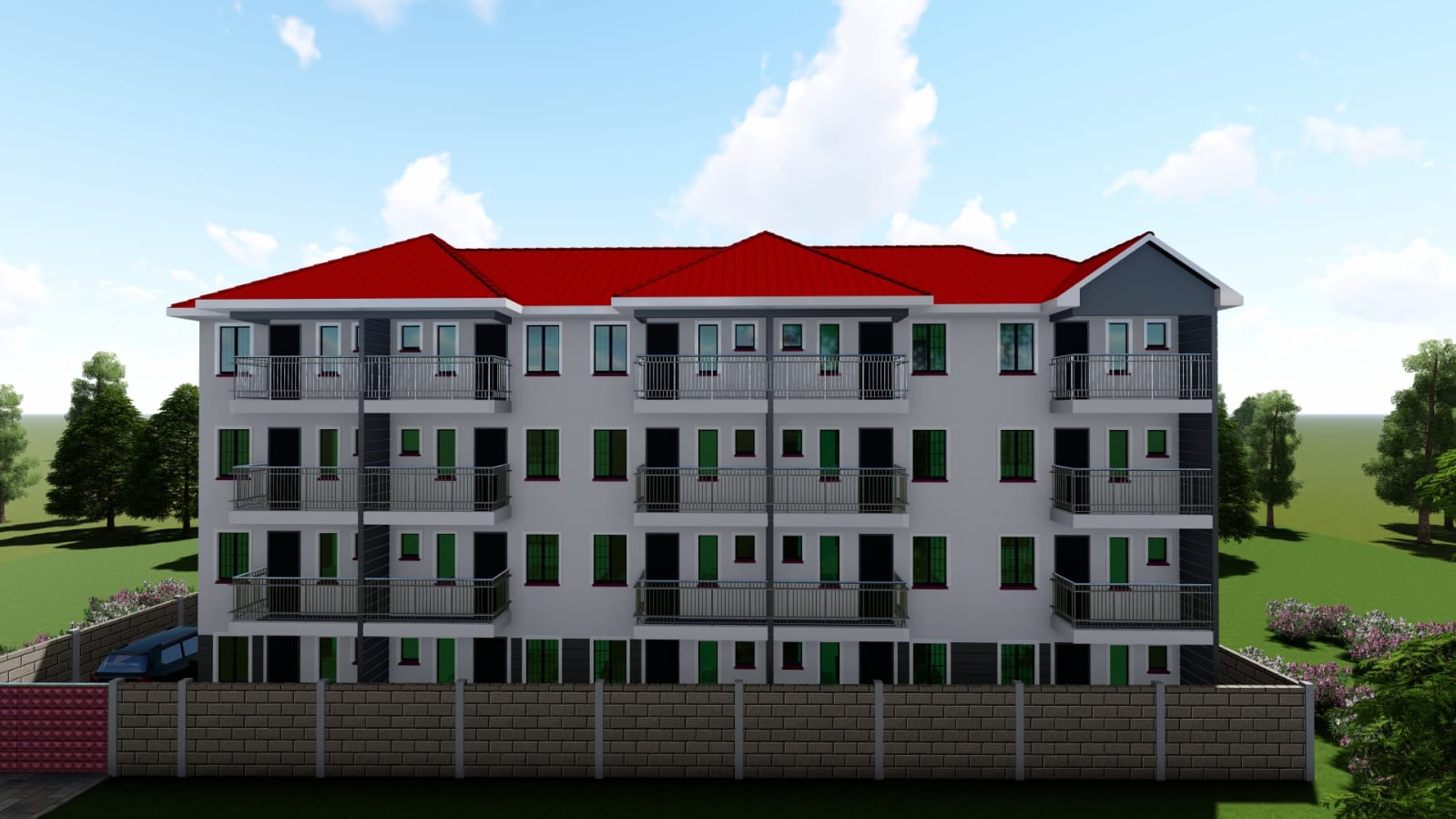
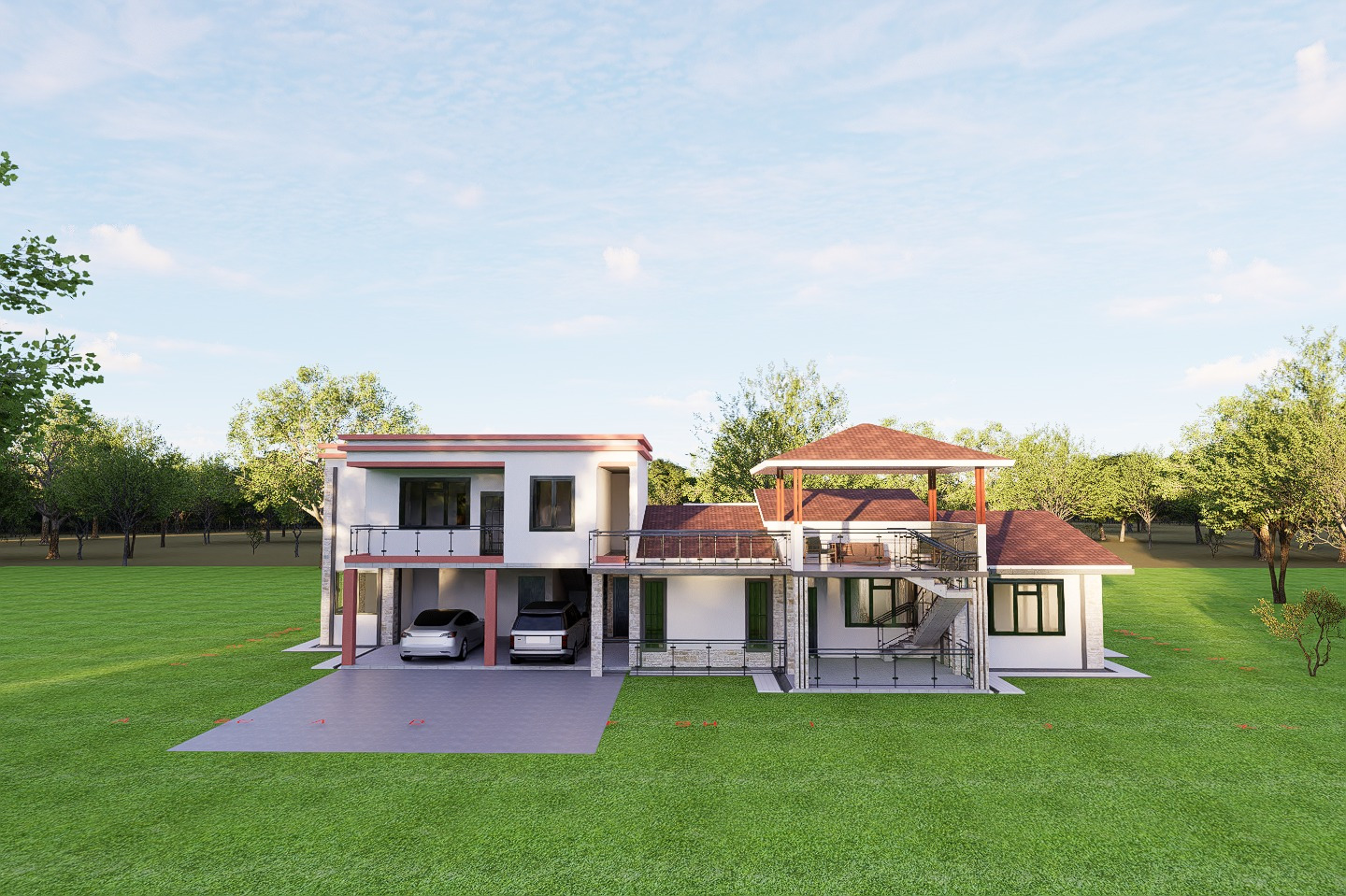
Most property owners apply for a change of user when they want to build something different from what their title deed allows. Whether it’s putting up apartments on former farmland or turning a home into office space, the change must be approved before construction begins.
The process involves filling out planning forms, advertising for public notice, paying county fees, and receiving approval from relevant authorities. Below is a complete guide covering every step, requirement, and cost you’ll face when applying for a change of user in Kenya.
What Is a Change of User in Kenya?
A change of user means applying to legally alter how a piece of land is used from what was originally approved. It ensures land development aligns with the Physical and Land Use Planning Act (2019) and county zoning guidelines.
Legal Basis and Responsible Authority
The legal foundation of this process is the Physical and Land Use Planning Act, 2019, which mandates that any land use change must be approved by county governments through registered physical planners. The national Director of Physical Planning oversees appeals and complex developments. Counties issue the actual approval after verifying compliance with zoning and environmental rules.
Difference Between Change of User, Extension of User, and Subdivision
A change of user converts the purpose of land — for instance, from agricultural to residential. An extension of the user broadens the range of allowable uses (e.g., adding commercial use to an existing residential plot), while subdivision divides one parcel into smaller plots. Each has different application forms and procedures, but all must be done through licensed planners and approved by the county.

When and Who Needs a Change of User
A change of user is required whenever landowners plan to use property in a way not originally permitted on the title deed. It’s especially important for developers, investors, or homeowners expanding their property’s use.
Agricultural to Residential or Commercial
This is the most common type of change. For example, converting farmland into housing estates, malls, or petrol stations. When land is under agricultural classification, you must first obtain Land Control Board consent before starting the county application. This consent protects agricultural zones and ensures planned developments are environmentally safe.
Residential to Commercial or Multi-Dwelling Use
Many Kenyans apply to change their homes into office blocks, Airbnb rentals, or small shops. Others change from single homes to apartment complexes. Such transformations demand planning permission since they alter density, traffic, and service connections. The county planner must confirm that the area zoning allows higher density or commercial use.

Step-by-Step Process of Change of User in Kenya
The process follows a structured path that balances legal approval, environmental protection, and public participation. Each county may have slight variations, but the general procedure is the same.
Step 1 — Hire a Registered Physical Planner
Begin by engaging a Registered Physical Planner recognised by the Town and County Planning Board. The planner prepares the application documents, advises on zoning laws, and ensures compliance with planning standards. This step is essential because self-prepared applications often face rejection due to missing technical details.
Step 2 — Prepare Application Documents
The planner fills out Form PPA1 (Application for Development Permission) and attaches supporting documents like a certified copy of the title deed, survey map, planning brief, and ownership ID. Some counties may also request land rates clearance and a recent search from the Ministry of Lands.
Step 3 — Public Notice and Newspaper Advertisement
The applicant must publish a public notice in a national newspaper and display a notice board on the site. This allows neighbors and the public to raise objections within 14 to 21 days. Counties use this period to collect feedback before final approval.
Step 4 — Application Submission (Ardhisasa or County Office)
Applications can be submitted through the Ardhisasa portal or physically at the county’s Physical Planning Department. When applying online, you upload scanned documents, fill the PPA1 form, and await acknowledgment. Ardhisasa will issue an OTP (One-Time Password) to confirm submission.
Step 5 — Fees, Inspection, and Review
After submission, the county charges processing and inspection fees, usually between KSh 10,000–30,000 depending on size and location. A planning officer may visit the site to confirm details before forwarding the report to the County Physical Planning Liaison Committee for a decision.

Required Documents and Fees
A successful change of user application depends on correct documentation and timely fee payments.
Key Documents Checklist
Applicants should prepare:
- Copy of the title deed and national ID
- Completed and signed PPA1 or PPA2 form
- Site and location plan (scaled map)
- Planner’s report and planning brief
- Land rates clearance certificate
- Newspaper advertisement proof and site notice photos
- NEMA screening report (if applicable)
- Land Control Board consent (for agricultural conversions)
Typical Fees to Expect
Fees vary across counties, but expect around KSh 10,000–20,000 for approval, KSh 5,000–10,000 for advertising, and KSh 30,000–50,000 for planner fees depending on project complexity. Additional NEMA costs may arise if an Environmental Impact Assessment (EIA) is required.
Environmental and Legal Considerations
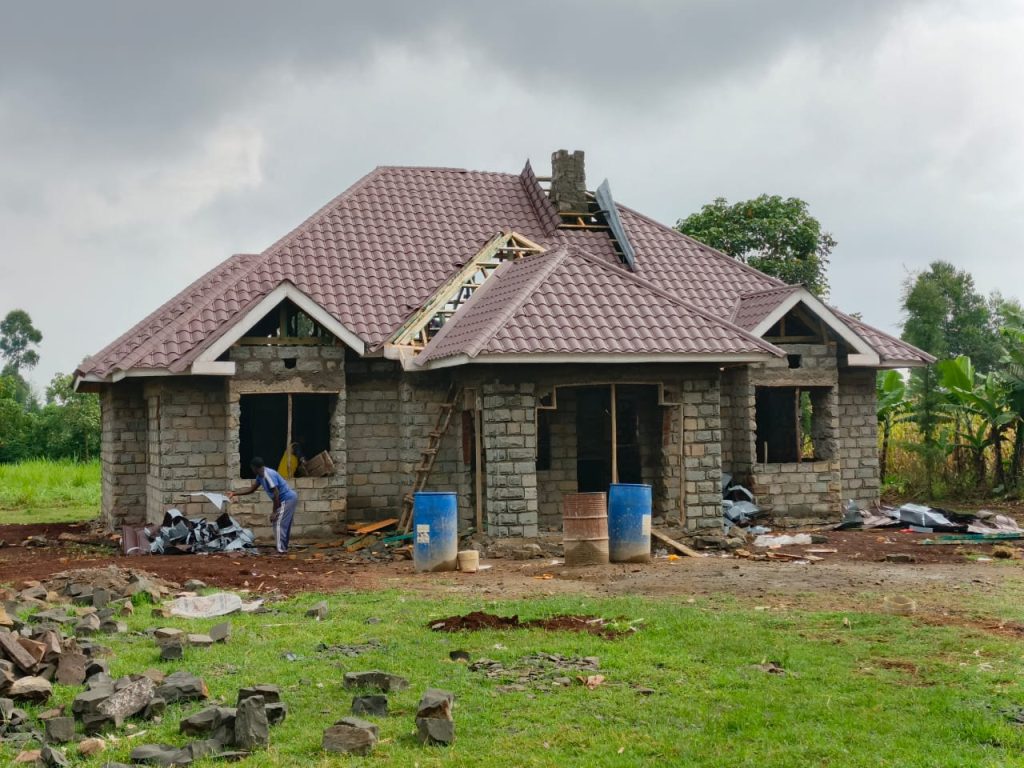
Environmental and legal approvals ensure the proposed land use will not harm the community or ecosystem.
NEMA and Environmental Impact Requirements
If your project involves large commercial buildings, fuel stations, or industrial activity, you must submit an EIA report to NEMA. NEMA reviews the environmental impact before giving clearance. Counties will not issue change of user approval without NEMA’s written consent in such cases.
Land Control Board and Zoning Rules
For agricultural land, Land Control Board (LCB) approval is mandatory before any change to non-agricultural use. Zoning maps also guide what land use types are allowed in a region. If the requested use conflicts with local plans, the county may decline or suggest an alternative zoning adjustment.
Common Reasons for Rejection and How to Avoid Them
Applications can be rejected due to technical errors or zoning conflicts. Knowing these helps you avoid unnecessary delays.
Zoning Conflicts and Reserve Areas
If your property falls on a road reserve, floodplain, or conservation area, the county may decline approval. Before applying, always confirm land zoning and physical development plans from the local county office or planner.
Incomplete Documentation or Missing Consent
Many applicants forget to include proof of newspaper advertisement or Land Control Board consent, leading to automatic rejection. Always double-check the planner’s checklist and attach every supporting document before submission.

After Approval — Next Steps
Once your change of user is approved, you’ll receive a Development Permission Letter from the county. This marks the beginning of the construction or operational phase.
Building and Business Permits
After approval, apply for building permits, water connections, and business licenses. Counties will reference your new land use classification when issuing further permits.
Record Update and Compliance
Finally, the approved change should be noted in your land records. File the approval with the Ministry of Lands or the Ardhisasa system for future reference and to avoid disputes during land sale or transfer.
Costs and Timeline
Most changes of user processes take between 60–120 days depending on the county and the project scale.
Newspaper notices run for 14–21 days, followed by site inspection and county review. Projects that require NEMA or Land Control Board approvals take longer. Proper documentation and early planner engagement can shorten the waiting time.
Budgeting for the Process
Include planner fees, advertising, county approval charges, and potential EIA costs in your budget. Having funds ready ensures your application isn’t delayed at payment stages.
Common Challenges Faced During the Change of User Process in Kenya
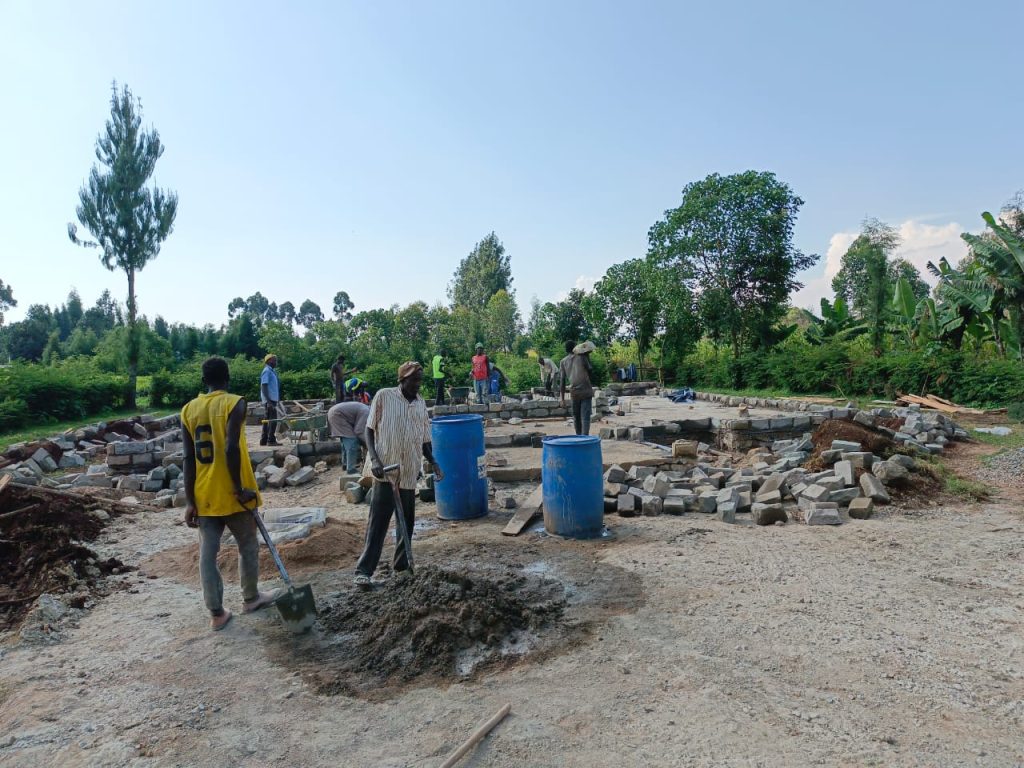
Lengthy Approval Timelines
The change of user process in Kenya can often take longer than expected, especially in counties like Nairobi, Kiambu, and Machakos where planning departments handle thousands of applications monthly. Delays may arise due to incomplete documentation, slow inter-departmental communication, or backlog in county offices. Applicants must sometimes wait between 60 and 180 days for full approval. Engaging a registered physical planner can help fast-track the process by ensuring compliance with zoning and land use policies. Properly prepared applications also reduce the chances of rejection. It’s important to follow up regularly and maintain open communication with county officials. Keeping all receipts, reference numbers, and stamped documents also helps in case of future verification.
Conflicts with Neighbouring Landowners
In many regions, especially in peri-urban and rural zones, disputes with neighbours can hinder a change of user. Some landowners may object to conversions that increase noise, traffic, or environmental impact in the area. For instance, converting agricultural land into a petrol station may raise environmental concerns. To avoid this, applicants should carry out early consultations and display the required public notices to invite comments before approval. Transparency builds goodwill and reduces objections. Once the objection period lapses without complaints, the process continues smoothly.
Cost-Related Constraints
The cost of change of user can also be a stumbling block. It includes consultancy fees, advertisement charges, and county planning approval costs. Depending on land size and location, total expenses may range from KSh 60,000 to over KSh 300,000. Developers should budget early and compare rates among registered planners. Some counties also charge higher fees for commercial conversions than residential ones. Understanding this helps applicants avoid last-minute budget challenges and project delays.
Environmental and Legal Implications of Change of User
Importance of Environmental Impact Assessment (EIA)
Before approval, NEMA often requires an Environmental Impact Assessment report, especially for projects that may affect ecosystems. This includes conversions for petrol stations, factories, and large housing estates. The EIA ensures the project minimises pollution, protects water sources, and maintains community health. Skipping this stage can lead to rejection or later penalties. Involving certified environmental consultants early ensures compliance and prevents project delays. It also demonstrates the developer’s commitment to sustainable development, which counties value during planning review.
Adherence to County and National Laws
Every county has its own zoning by-laws and planning frameworks guided by the Physical and Land Use Planning Act (2019). Ignoring these can result in fines, demolition, or withdrawal of approvals. The developer must align with county spatial plans and national land policies. Working with licensed planners ensures submissions meet both county and national standards. Legal compliance also protects investors from disputes or lawsuits that may arise in future. The best approach is always to seek professional guidance before filing applications.

Benefits of Successful Land Use Conversion
Increased Property Value and Investment Potential
One of the biggest benefits of a successful change of user is the boost in property value. Land zoned for commercial or mixed-use purposes attracts more buyers and tenants than agricultural or residential land. Developers can leverage this change to secure higher rental income or sell at a premium. For instance, a plot converted from agricultural to residential use in areas like Syokimau or Ruiru can double in value within a year. The conversion also opens doors to new business opportunities such as shopping centers, apartments, or schools. This long-term value growth is why many landowners pursue the process despite the costs.
Improved Access to Financing and Development Approvals
Financial institutions often prefer land with approved user status because it reduces legal risks. A converted property can easily qualify for loans and mortgages since banks view it as compliant with planning regulations. This gives investors the ability to fund larger projects or expand operations. Additionally, county governments are quicker to issue building permits when the land use is properly approved. Thus, the change of user becomes the foundation for sustainable development and easier financing.
Contribution to Urban Growth and Job Creation
When done responsibly, land use conversion stimulates local economies by creating construction and service jobs. New developments attract infrastructure such as roads, schools, and hospitals. Counties also benefit from increased rates and levies. Therefore, while it’s an individual benefit, successful conversions contribute to Kenya’s Vision 2030 goals of planned urbanization.
Role of Professionals in the Change of User Application
Importance of Engaging a Registered Physical Planner
A registered planner is central to a successful change of user process. They understand the zoning codes, county planning laws, and document requirements. Planners prepare professional reports, site plans, and ensure the application complies with spatial development policies. They also liaise with county officials, which helps avoid unnecessary delays. Most counties require the planner’s registration number to verify authenticity. Engaging a professional not only saves time but also guarantees legal protection for the applicant.
Contributions of Surveyors and Architects
Surveyors and architects play supporting roles by ensuring the land maps and proposed designs align with the county’s development control guidelines. A surveyor updates the deed plan and confirms boundaries, while the architect prepares concept layouts for the intended use. Their collaboration ensures all technical aspects are consistent with planning regulations. The combined input of these experts leads to smoother approvals and more accurate documentation.
Tips for a Smooth and Fast Change of User Process
Ensure Early Document Preparation
Applicants should begin preparing documents such as title deeds, PPA1 forms, and ownership identification before visiting the county offices. Missing paperwork is one of the main causes of delay. Having digital and physical copies ready helps streamline verification. Organising everything before submission also allows the consultant to review for errors. This preparation shows seriousness and professionalism, encouraging county staff to prioritise your case.
Maintain Communication with County Officials
Once the application is lodged, follow-ups are critical. Calling or visiting the planning office periodically ensures your file is progressing. Counties like Nairobi even offer online tracking portals for planning approvals. Establishing polite communication helps resolve any small issues quickly before they become major obstacles. Applicants who keep in touch often get feedback earlier than those who wait passively.
Keep Updated on Zoning Changes
Counties periodically revise their zoning maps and spatial plans. A plot that was agricultural in 2018 may now be mixed-use. Staying informed on these changes helps landowners make timely decisions. Developers can contact county physical planning departments for the latest updates or consult planning professionals. Being proactive ensures that applications align with current policies and avoids unnecessary rejection.
Conclusion
A change of user in Kenya is a legal necessity for anyone planning to modify land use. From hiring a registered physical planner to obtaining NEMA and county approvals, each step safeguards the environment and ensures proper urban planning.
Applying early, submitting complete documents, and following up through the Ardhisasa portal can speed up your approval process. Always consult a licensed planner or lawyer to avoid penalties or application rejection.
With proper guidance, your land development will meet all legal and planning standards, paving the way for secure investment growth.