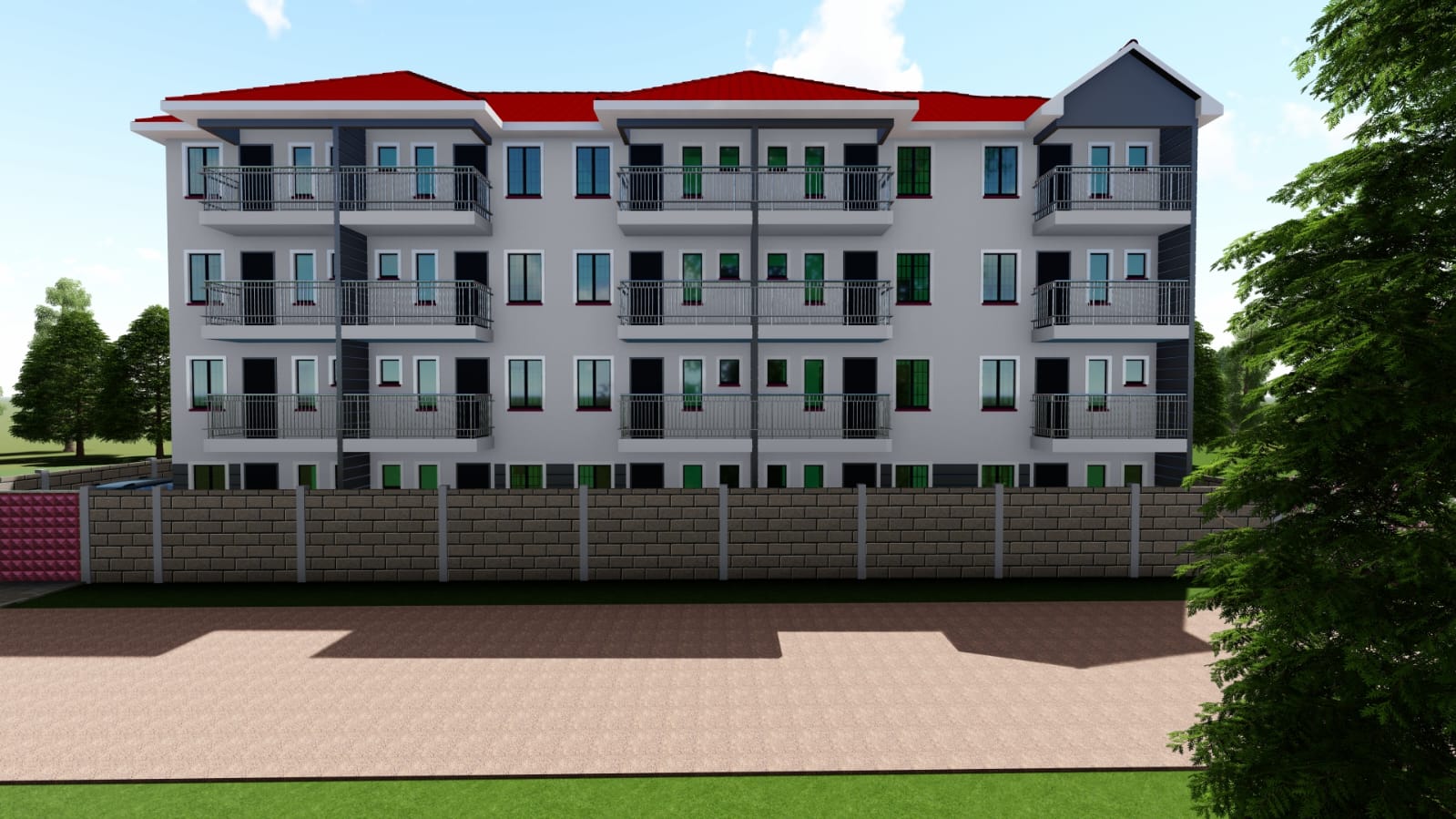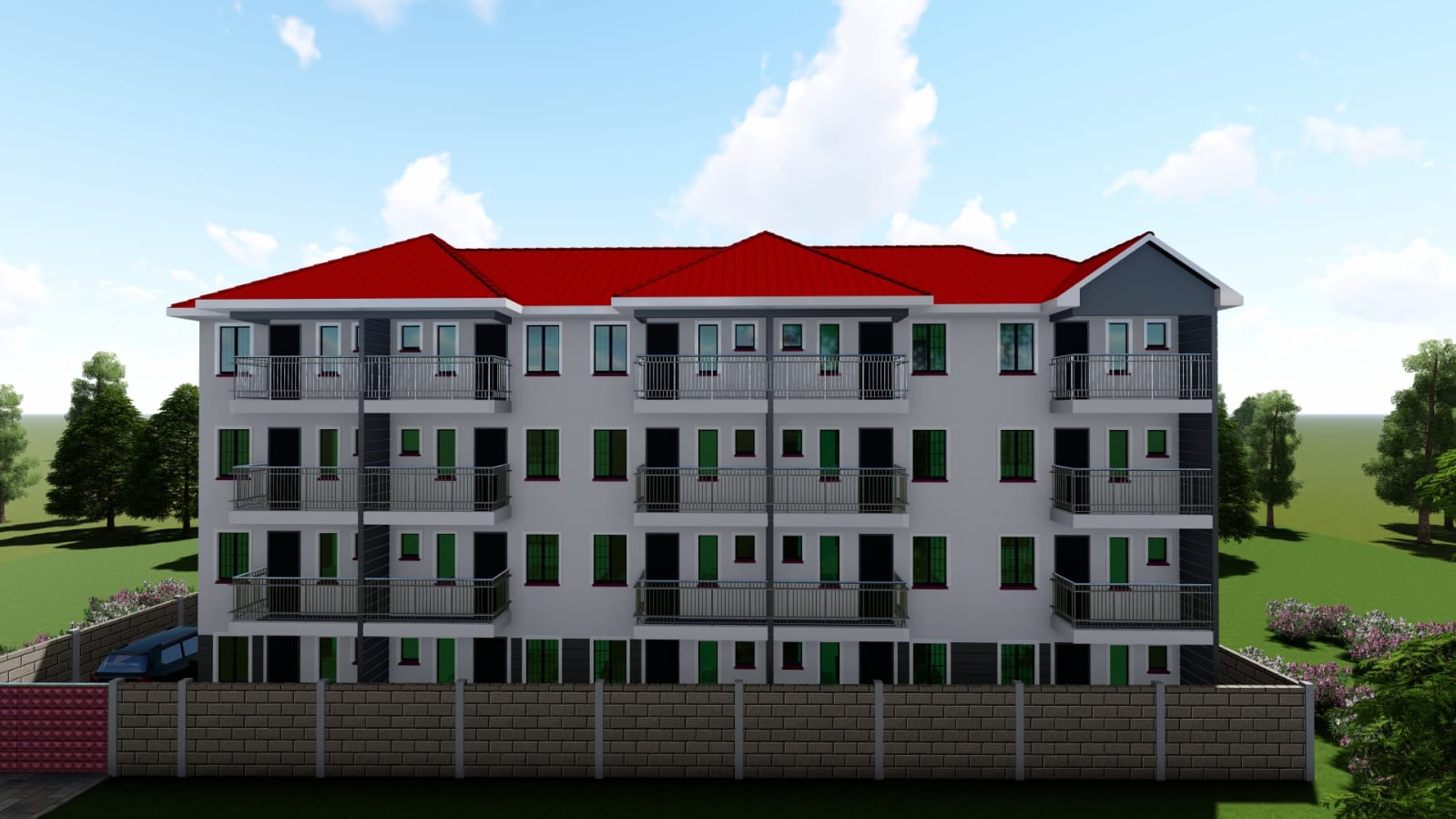
Discover office space demand outside Nairobi, rising business hubs, rental costs, ROI potential, and best counties for investment in Kenya’s fast-growing commercial property market.
Introduction
The Office Space Demand Outside Nairobi is growing as businesses search for affordable, flexible locations beyond the capital. Rising rents, congestion, and changing work models are pushing companies to consider regional towns with better value and expansion potential.
Many firms that once focused only on Office Space in Nairobi are now exploring satellite towns and secondary cities. This shift is reshaping the demand for office space and creating new opportunities for investors and tenants alike.
Office Space Demand Outside Nairobi Market Overview
Current Demand for Office Space Across Kenya
The demand for office space across Kenya is expanding beyond the capital as businesses seek cost-efficient locations with room for growth. Regional towns are experiencing increased inquiries from SMEs, NGOs, logistics firms, and tech startups that no longer need a central CBD address. This shift is strengthening the Office Space Demand Outside Nairobi and encouraging developers to launch new commercial projects in counties with growing populations.
Comparison With Office Space in Nairobi
Compared to Office Space in Nairobi, regional offices often offer larger floor areas, easier parking, and lower lease rates. Nairobi still leads in prestige and corporate headquarters, but secondary towns attract businesses focused on efficiency rather than location status. As a result, companies are splitting operations between a small Nairobi office and larger regional branches to optimize costs.
Economic Drivers Influencing Commercial Demand
Several economic factors influence the demand for office space across counties, including population growth, infrastructure upgrades, and business-friendly county policies. Expanding industrial zones and special economic areas also create demand for nearby administrative offices. When employment levels rise in a region, commercial activity increases, which directly boosts local office leasing activity.
Post-Pandemic Market Shift Trends
Since the pandemic, companies have adopted hybrid work models that reduce reliance on large centralized offices. Many organizations now prefer smaller branch offices closer to employees instead of maintaining one expensive headquarters. This trend continues to accelerate commercial office space trends favoring flexible regional workspaces.

Why Businesses Are Moving Outside Nairobi
Cost Savings Compared to Office Space for Rent in Nairobi
Rent is one of the biggest reasons companies relocate from the capital to regional towns. Office Space for rent in Nairobi often costs significantly more per square foot than offices in satellite counties, making expansion expensive. By moving operations outside Nairobi, businesses can reduce overhead and reinvest savings into growth or staffing.
Infrastructure Expansion in Satellite Towns
Infrastructure projects such as highways, bypasses, rail upgrades, and fiber internet are transforming satellite towns into viable business locations. These improvements reduce travel time, increase accessibility, and make regional offices practical for both employees and clients. As connectivity improves, the Office Space Demand Outside Nairobi continues to rise in these areas.
Decongestion and Operational Efficiency Benefits
Operating outside Nairobi allows businesses to avoid traffic delays, parking shortages, and high utility costs common in dense urban zones. Teams can work more efficiently in less crowded environments, which improves productivity and employee satisfaction. Many firms report smoother logistics and lower operating stress after relocating offices.
Government Policies Encouraging Regional Investment
Government incentives and county investment programs are encouraging businesses to expand into regional economic hubs. These include tax incentives, infrastructure funding, and zoning support for commercial developments. Such policies strengthen investor confidence and increase the demand for office space in emerging towns.
Fastest-Growing Locations with Office Space Demand
Satellite Counties Near Nairobi With Rising Demand
Counties bordering Nairobi, such as Kiambu, Machakos, and Kajiado, are seeing rapid commercial growth due to their proximity to the capital. Businesses can maintain access to Nairobi’s market while benefiting from lower rents and less congestion. These areas are becoming prime targets for developers responding to rising Office Space Demand Outside Nairobi.
Regional Cities Becoming Commercial Hubs
Cities like Kisumu, Nakuru, and Eldoret are evolving into strong regional business centers with increasing demand for modern offices. Their expanding economies, universities, and transport networks attract companies opening regional headquarters. As these cities grow, they create sustained long-term demand for commercial space.

Emerging Secondary Towns Investors Overlook
Smaller towns are quietly becoming attractive investment zones because competition is still low and demand is rising. Early investors often secure lower property prices and benefit from higher occupancy once development accelerates. These overlooked markets can provide strong returns when chosen strategically.
Infrastructure Corridors Driving Office Growth
Major transport and logistics corridors are shaping where future commercial zones will emerge. Businesses prefer offices along highways, bypasses, and railway routes because accessibility improves client reach and supply chain efficiency. These corridors are expected to drive the next wave of commercial office space trends in Kenya.
Supply vs Demand Trends in Kenya’s Office Market
Nairobi Oversupply vs Regional Undersupply
Nairobi has experienced rapid commercial construction over the years, leading to an oversupply of office space in several business districts. In contrast, many counties outside the capital still have limited modern office stock despite rising tenant interest. This imbalance strengthens the Office Space Demand Outside Nairobi because companies searching for space often find fewer options but stronger value in regional markets.
Vacancy Rates and Absorption Levels
Vacancy rates remain a key indicator of market health, showing how quickly available office space is being occupied. In Nairobi, higher vacancy levels signal slower absorption due to surplus supply, while regional towns often show faster absorption because new developments are limited. Monitoring these patterns helps investors understand where demand is strongest and where future rental growth is most likely.
Tenant Preferences Affecting Leasing Decisions
Tenant expectations are shifting toward affordability, flexibility, and accessibility rather than prestige addresses. Many businesses now prioritize parking, transport access, and adaptable layouts when choosing offices, which favors regional commercial centers. These changing preferences are reshaping the demand for office space across Kenya and influencing where developers choose to build next.
Rental Prices & ROI Comparison by Location
Average Rent per Square Foot by Region
Rental prices vary widely depending on location, building grade, and infrastructure access. Prime areas offering Office Space in Nairobi command premium rates, while comparable offices outside the city are often more affordable per square foot. This pricing difference allows businesses to secure larger offices or better facilities without increasing their budgets.
| County | Average Rent per Sq Ft (KES) | Notes / Trends |
| Kiambu | 750 – 1,200 | Close to Nairobi CBD, high demand, modern offices |
| Machakos | 650 – 1,000 | Growing industrial zones, good road connectivity |
| Kajiado | 600 – 950 | Popular with logistics firms, satellite towns |
| Nakuru | 500 – 900 | Regional hub, rising SME activity |
| Kisumu | 550 – 950 | Expanding tech and service sectors |
| Eldoret | 500 – 850 | Agriculture & education-driven demand |
Yield Comparison for Investors
Investors analyzing commercial property returns often compare rental yields between Nairobi and seconddary cities before making decisions. While Nairobi offers stability and prestige tenants, regional towns can provide higher yields because property acquisition costs are lower. This makes emerging markets attractive for investors seeking long-term income growth rather than short-term gains.
| County / Town | Average Rental Yield (%) | Investment Opportunity Notes |
| Kiambu | 7 – 9 | High demand, low vacancy, near Nairobi commuters |
| Machakos | 6.5 – 8 | Emerging industrial & business zones |
| Kajiado | 6 – 7.5 | Logistics & satellite office growth |
| Nakuru | 7 – 9 | Affordable land, rising SME & corporate demand |
| Kisumu | 6.5 – 8 | Tech startups and regional businesses driving occupancy |
| Eldoret | 6 – 7 | Steady demand from agriculture & education sectors |
Cost Advantage of Offices Outside Nairobi
One of the biggest advantages of leasing outside the capital is the overall cost efficiency across rent, utilities, and maintenance expenses. Businesses relocating from Office Space for rent in Nairobi frequently report significant savings that can be redirected into expansion, marketing, or hiring. This financial flexibility is a major factor accelerating commercial office space trends toward regional locations.

Commercial Office Space Trends Shaping Demand
Flexible Leasing and Co-Working Growth
Flexible lease structures are becoming increasingly popular as businesses seek shorter commitments and scalable office solutions. Co-working spaces are also expanding across Kenya, offering shared facilities that reduce setup costs for startups and remote teams. These models support the growing Office Space Demand Outside Nairobi by making regional offices more accessible and affordable.
Commercial Office Space Design Trends Tenants Prefer
Modern tenants prefer offices designed for productivity, comfort, and collaboration rather than traditional cubicle layouts. Features such as open-plan workspaces, natural lighting, and breakout zones are now highly valued when leasing commercial property. Developers who incorporate these commercial office space design trends tend to attract tenants faster and maintain higher occupancy rates.
Smart Buildings and Sustainability Demand
Sustainability and technology are becoming key factors influencing leasing decisions in Kenya’s commercial real estate market. Smart buildings equipped with energy-efficient systems, security automation, and reliable internet infrastructure appeal strongly to modern businesses. As environmental awareness grows, eco-friendly offices are expected to play a major role in shaping future demand for office space.
Conclusion
The Office Space Demand Outside Nairobi is expected to keep rising as businesses prioritize affordability, flexibility, and accessibility over prestige locations. Regional towns with improving infrastructure, growing populations, and expanding business ecosystems are becoming strong commercial centers. This shift signals a long-term transformation in Kenya’s office market rather than a short-term trend.
For investors and businesses alike, understanding regional demand patterns is now essential for making profitable property decisions. Companies seeking cost efficiency and developers targeting underserved markets are likely to benefit the most from this evolving commercial landscape.