Building permit cost Nairobi
Find up-to-the-minute Nairobi building permit costs, a step-by-step fee calculator, Kiambu & Machakos comparisons, required documents, timelines, penalties, and downloadable checklists to get your construction approved fast.
Introduction
If you’re planning to build in Nairobi, understanding the building permit cost in Nairobi is the first step before starting your project. This guide helps homeowners, contractors, and developers learn exactly how permit fees are calculated, what documents are needed, and how to apply fast. You’ll also get a simple fee calculator, county comparisons, and a downloadable checklist to make the process smoother and cheaper.
How building permit fees are set (overview)
County authority vs national guidelines
Building permit fees in Kenya are primarily controlled by each county government under the national Building Code and Physical Planning Act. In Nairobi City County, the rates are defined in the county’s Finance Act and are periodically reviewed to match development costs. Counties such as Kiambu and Machakos also have independent schedules that determine how much you pay based on project type, location, and building size.
The National Construction Authority (NCA) and National Environment Management Authority (NEMA) only provide oversight for safety and environmental compliance, not the actual permit pricing. This means that even though the process follows national standards, the permit fees vary from one county to another.

Common fee bases: % of construction cost, per-m² tables, fixed line items
Most building approval fees in Nairobi are based on a percentage of the estimated construction cost — usually around 0.5% for plan evaluation. This ensures that large projects pay slightly higher fees than smaller ones. Some counties, like Kiambu, use a per-square-meter system, while others, such as Machakos, use fixed rates for different project categories.
Besides plan evaluation, there are additional fixed line items such as:
- Site hoarding or fence permit
- Site board licence
- Excavation and dumping charges
- Inspection and occupation certificate fees
These items are charged separately but add up to the total construction permit fees you’ll pay before breaking ground. Understanding each component helps you plan your budget accurately and avoid hidden costs.

Nairobi: exact fee structure (detailed breakdown)
Plan vetting / evaluation (0.5% of estimated construction cost)
In Nairobi City County, the plan vetting or evaluation fee is typically around 0.5% of the estimated construction cost. This charge covers the review of your architectural and structural drawings to ensure they meet safety and zoning standards. For example, if your project is valued at KES 5 million, the plan evaluation fee would be approximately KES 25,000.
This percentage is set by the Nairobi County Finance Act, which adjusts rates based on inflation and urban development growth. Always confirm the latest version before submission since annual updates may affect your total cost.
Structural plan fees, occupation certificate, inspection fees
After plan evaluation, you’ll pay separate charges for structural plan approvals and site inspections. The inspection fee usually ranges between KES 5,000–10,000, depending on project size and category. Once construction is complete, an occupation certificate fee applies before you can legally occupy or sell the property.
The occupation certificate proves compliance with approved plans, electrical safety, and sanitation standards. Neglecting this step can delay property registration or leasing. These costs, though small individually, ensure your project stays legally compliant and safe for occupancy.
Site charges: hoarding/site board, renewal fees, excavation/dumping charges
In addition to evaluation fees, Nairobi charges site-related permits that most first-time builders overlook. A hoarding or site fence licence may cost about KES 3,000–6,000, while a site board licence averages KES 2,000. Excavation and dumping permits vary widely but can range from KES 10,000–20,000 depending on soil volume and disposal site.
Renewal fees apply if the construction period extends beyond the approved timeframe. Keeping your site licences updated prevents penalties or stoppage orders from county inspectors. It’s advisable to budget an extra KES 30,000–40,000 for these cumulative site charges on medium projects.
Infrastructure Development Levy & other statutory levies
Apart from standard fees, every developer in Nairobi contributes to the Infrastructure Development Levy (IDL). This levy funds public infrastructure such as drainage, access roads, and lighting in new developments. The charge varies with the project type — residential projects pay less than commercial ones.
There may also be other statutory levies like environmental impact review fees or urban renewal contributions. Confirm these from the current Nairobi Finance Act or the Physical Planning Department before budgeting. These extra costs ensure your building fits within the county’s sustainable urban growth goals.
Kiambu & Machakos snapshot (what they charge & where they differ)
Kiambu: tiered m² fee tables and example calculations
Kiambu County uses a tiered rate system based on floor area rather than percentage cost. For example, residential projects may pay around KES 120–180 per m², while commercial properties are charged higher, depending on complexity. This method ensures fairness between small and large-scale developments.
If you build a 200m² bungalow, expect to pay around KES 24,000–36,000 in plan approval fees. Additional inspection or infrastructure fees might apply separately. Always refer to the Kiambu County Finance Bill for up-to-date figures since these rates can shift annually.
Machakos: statutory clauses, typical fees, and where to confirm rates
Machakos County follows a legal framework outlined in its Finance Bill and Physical Planning regulations. The approval costs there are often slightly lower than Nairobi, with standard residential plan approval ranging between KES 15,000–25,000, depending on project scope.
Applicants can confirm these rates from the Machakos County Finance Department or their official website. The county also emphasises NEMA clearance for environmental-sensitive zones, which might add a small cost to the total approval fees. Understanding these statutory clauses helps prevent delays or resubmission penalties.
Quick county comparison (Nairobi vs Kiambu vs Machakos)
While Nairobi bases its costs on a percentage model, Kiambu relies on floor-area pricing, and Machakos leans towards flat rate approvals. Typically, Nairobi remains the most expensive due to high urban infrastructure levies, while Kiambu offers mid-range affordability and Machakos is more budget-friendly.
These differences make it crucial for developers to understand where their projects fall geographically, especially for border zones like Ruiru or Mavoko. Each county enforces its own finance act, and applying under the wrong jurisdiction could result in rejection or double payment.
How to calculate your permit cost — step-by-step (worked examples)
Step 1: estimate total construction cost (what to include/exclude)
Start by estimating your total construction cost. This includes materials, labour, finishes, and professional fees but excludes land price. Use recent quotations or consult your architect for a realistic figure. For a medium 3-bedroom house, this might be around KES 5–6 million in Nairobi.
Always use accurate numbers since most county permit fees are percentages of this total. Overestimating or underestimating can either inflate your fees or trigger re-evaluation during vetting.

Step 2: apply county rate and add line items (3 worked KES examples)
Once you know your total cost, apply the county’s formula:
- Bungalow (KES 3 million): 0.5% plan evaluation = KES 15,000 + KES 10,000 inspection = KES 25,000 total.
- 3-bed maisonette (KES 6 million): 0.5% = KES 30,000 + site charges (KES 12,000) = KES 42,000 total.
- Small commercial unit (KES 10 million): 0.5% = KES 50,000 + infrastructure levy (KES 20,000) = KES 70,000 total.
Always confirm the latest Nairobi City County Finance Act or consult the county physical planning office for verification. Keeping a spreadsheet of each item makes it easier to track all components of the building approval cost.
Free & Paid Tools (Embedded)
Embedded Fee Calculator (Formula + How It Works)
A building permit cost calculator helps you estimate your total permit expenses instantly. It uses your construction cost, county fee rate, and extra line items like hoarding or inspection fees.
Most calculators apply this simple formula:
Permit Fee = (Construction Cost × % County Rate) + Line Item Charges.
You can download a free Excel or Google Sheets template that’s pre-filled with Nairobi and Kiambu data. Just enter your estimated project cost, and the sheet auto-calculates your expected fees and levies.
Mobile & Online Payment Channels
In Nairobi and Kiambu, payments are handled through eServices platforms, banks, or mobile money like M-Pesa. After your application is approved, a payment invoice is generated under your account dashboard.
Ensure you only use official county paybill numbers or bank accounts listed on county websites. A valid receipt usually carries a unique transaction code and county logo. Keep it safe, as it’s required for inspections or refunds.
Documents Required & Professional Stamps
Full Document Checklist
When applying for a building permit, you must attach several verified documents. The main items include:
- Architectural and structural drawings (signed by registered professionals)
- Site plan and survey maps
- Soil test report
- NEMA approval (if applicable)
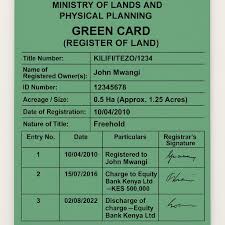
- Copy of land title or deed
- Owner’s ID or KRA PIN certificate
These documents confirm ownership, safety standards, and environmental compliance. Missing any may cause automatic rejection.
Who Must Stamp the Plans
Every plan must be stamped by a licensed architect, structural engineer, and in some cases, NEMA officials. Counties also check the Architects and Quantity Surveyors Board (BORAQS) registration.
Common rejection triggers include missing signatures, unclear drawings, and inconsistencies between architectural and structural layouts. Always review with your consultants before submission.
Internal links: [Registered architects in Kenya], [BORAQS Kenya guidelines]
Online Application Walkthrough (Nairobi eServices & eProcedures)
Step-by-Step Submission
Nairobi County uses the eConstruction portal for all permit applications. To apply:
- Visit the Nairobi City County eConstruction portal.
- Create an account using your ID and KRA PIN.
- Upload your scanned drawings and documents.
- Wait for system vetting and fee assessment.
- Make payment via M-Pesa or bank.
- Track your approval under the “My Applications” tab.
Ensure all uploads are in PDF format and under the size limit. Once approved, you’ll receive a downloadable permit and inspection schedule.
Tracking, Receipts & Vetting Queries
After submission, you can track your application in real time. If the system flags issues, a vetting officer will leave comments requesting revisions or missing documents.
Once the fee is paid, an e-receipt is generated. You can print or download it for site inspections. Always reply to vetting queries promptly to avoid delays.
Inspections, Occupation Certificate & Post-Approval Steps
Typical Inspection Schedule
After receiving your building permit, counties conduct mandatory inspections during construction. These include:
- Foundation inspection (before pouring concrete)
- Superstructure inspection (during wall and roof stages)
- Finishing inspection (before occupancy)
Inspectors verify that the work matches the approved plans. Any deviation may lead to stop orders or rework.
How to Get an Occupation/Use Certificate
Once construction is complete, apply for an Occupation Certificate. This confirms the building is safe for use. Submit your completion documents, including final inspection reports, structural certificates, and receipts.
After approval, the county issues the certificate, allowing water, electricity, and tenancy applications.
Regularisation, Penalties & Appeals
How to Regularise Unauthorised Works
If you’ve built without a permit, you can apply for retrospective approval. Counties like Nairobi and Kiambu allow this under their Finance Acts, though penalties apply.
The penalty is usually double the normal permit fee, plus vetting and inspection charges. You must still submit all drawings for review.
Penalties for Non-Compliance
Failing to secure proper approvals may attract hefty fines or even demolition. Typical penalties range between KES 50,000 and KES 500,000, depending on the violation. Repeated offenders may lose future permit privileges.
It’s cheaper to regularise early than wait for enforcement notices.
Appeals Process & Dispute Resolution
If you believe your permit was unfairly denied or overcharged, you can appeal through the County Physical Planning Liaison Committee.
The process involves submitting a formal complaint, supporting documents, and paying a small filing fee. Appeals are reviewed within 30–45 days, and decisions are binding unless escalated to the tribunal.
Ways to Reduce Surprises & Keep Costs Low
Accurate Job Costing & Professional Estimates
One of the best ways to avoid unexpected building permit costs in Nairobi is to get a professional estimate before applying. Quantity surveyors and architects can help you calculate the total construction cost accurately, which forms the base for your permit fees.
Accurate job costing prevents underestimation that could later lead to re-evaluations or rejected applications by county assessors.
Common Mistakes That Increase Fees or Cause Re-Submissions
Many applicants face delays and extra costs due to simple errors. Submitting incomplete drawings, missing professional stamps, or using outdated forms often triggers re-submissions.
Always review the checklist carefully and confirm the Finance Bill year in use before submitting your documents online.
Negotiation Tips, Bulk/Phase Approvals for Developers
For large projects, developers can reduce total costs through bulk or phased approvals. Counties sometimes offer discounts or reduced rates for multi-unit projects or group applications handled by the same architect.
Negotiating with your project consultants also helps identify areas where certain site fees can be optimised, such as shared infrastructure levies or joint inspections.
Real Client Case Studies & Sample Timelines
Small Bungalow: Timeline, Total Permit Cost, Pitfalls
A 2-bedroom bungalow project in Nairobi typically takes 3–4 weeks to receive full approval if all documents are complete. The average building permit cost ranges between KES 45,000 and KES 65,000, depending on site location and construction value.
Common pitfalls include missing soil reports or delayed NEMA clearance, both of which can extend the approval period by up to two weeks.
3-Bed Maisonette: Timeline, Total Permit Cost
A 3-bedroom maisonette in Nairobi or Kiambu may take 5–6 weeks for complete approval. The total building approval cost averages KES 80,000–120,000, inclusive of vetting, inspection, and levies.
Working with registered professionals ensures faster vetting since their credentials are already verified in the county system.
Small Commercial Unit: Timeline, Cost, Additional Approvals
For small commercial buildings, expect 6–8 weeks due to additional reviews by the fire department and NEMA.
Costs can range between KES 150,000–250,000, depending on the floor area and location. Always apply early for extra approvals to avoid project halts once construction starts.
Where to Get Help (Consultants, Approved Agents, County Contacts)
County Office Contacts & Approved Professionals
For Nairobi, visit the City Hall Urban Planning Department or contact them through the eConstruction portal support desk. In Kiambu, approvals are handled at the County Planning and Development Office in Thika, while Machakos offices are located at Machakos Town Hall.
You can also work with registered architects and county-approved agents who can submit and track your applications professionally. Provide them with your title deed, ID, and site plan to speed up submission.
Conclusion
Quick Recap & CTA
Building permit costs in Nairobi depend on your project’s size, valuation, and the county’s official rate. By using accurate estimates, complete documents, and professional assistance, you can avoid rejections and extra charges.
Use our free building permit fee calculator to get instant estimates and download the sample application pack to guide your submission process.