Step by Step Building Approval Process in Kenya
Step-by-step guide to the building approval process in Kenya. Learn requirements, documents, costs, timelines, and county procedures to avoid delays, fines, and rejections in construction projects.
Introduction: Why Building Approval Matters in Kenya
Step by Step Building Approval Process in Kenya
Building approval is a critical first step before starting any construction project in Kenya. Whether you are putting up a residential home, apartments, or a commercial property, obtaining approval ensures your project complies with legal, safety, and planning regulations set by your local county government. It confirms that your design aligns with zoning requirements, structural standards, and land-use policies—protecting both your investment and future occupants.
Skipping the building approval process can lead to serious consequences. One major risk is receiving a demolition order if your structure is found to be unauthorized or non-compliant. Developers may also face hefty fines imposed by county governments, which can significantly increase project costs. In addition, unapproved projects are often halted midway, causing frustrating delays, financial losses, and potential legal disputes.
In Kenya, building approvals are handled at the county level, meaning each region has its own procedures and systems. For instance, Nairobi City County, Mombasa County, and Kisumu County all oversee development within their jurisdictions, although the core requirements are generally similar across the country.
Overview of Building Approval in Kenya
Building approval in Kenya refers to the official authorization granted by a county government allowing a developer to proceed with construction based on submitted plans and compliance with established regulations. This process ensures that all proposed developments meet safety standards, zoning requirements, and proper land-use guidelines before construction begins.
The approval process is guided by key legal frameworks, most notably the Physical and Land Use Planning Act, which regulates land use and development across the country. In addition, building standards are governed by the Kenya Building Code 2024 (where applicable), which outlines requirements related to structural safety, design, health, and environmental considerations. These laws collectively ensure that buildings are safe, functional, and aligned with national and local development goals.
In Kenya, the main approving authority is the county government where the project is located—not the national government. Counties such as Nairobi City County, Mombasa County, and Kisumu County are responsible for reviewing and approving building plans through their respective departments, including physical planning, public health, and fire safety.
Building approval is required for various types of developments, including residential houses, apartment blocks, and commercial buildings such as offices, shops, and mixed-use properties. Essentially, any structure intended for human use or occupation must be approved before construction begins.
It is also important to distinguish between key terms in the approval process. Planning permission refers to the authorization to use land for a specific purpose. Building plan approval involves the technical review and approval of architectural and structural drawings. Finally, an occupation certificate is issued after construction is completed, confirming that the building is safe and ready for use.

Step 1: Land Ownership Verification
Before preparing any building plans or engaging professionals, the first and most critical step in the approval process is verifying land ownership. This ensures that the person intending to develop the property has the legal right to do so. Without proper verification, you risk investing in a project that could later be stopped due to ownership disputes or legal complications.
The key document required at this stage is the title deed, which proves ownership of the land. However, holding a title deed alone is not enough—you must conduct an official land search through the Ministry of Lands and Physical Planning. This search confirms that the title is genuine, identifies the registered owner, and reveals any existing issues tied to the property.
Common problems uncovered during land verification include disputed ownership, where multiple parties claim the same land, and encumbrances such as loans, caveats, or legal restrictions attached to the title. These issues can delay or completely block the building approval process if not resolved early.
To navigate this step effectively, it is highly advisable to involve a qualified lawyer and a licensed surveyor. A lawyer helps interpret legal documents, verify ownership history, and ensure there are no hidden risks. A surveyor, on the other hand, confirms boundary positions and ensures the land matches official records and maps.
This step is essential before any architectural or structural drawings are prepared. Designing a building without confirming land ownership can lead to wasted time, money, and effort if legal issues arise later. Proper land verification lays a solid foundation for a smooth approval process and successful project execution.
Step 2: Engage Professionals (Architect & Structural Engineer)
Once land ownership has been verified, the next step is to engage qualified professionals—primarily an architect and a structural engineer. In Kenya, this is not optional. County governments require that all building plans be prepared, signed, and submitted by registered professionals to ensure safety, compliance, and accountability throughout the construction process.
An architect is responsible for designing the building based on your needs, budget, and the specific regulations of the area. They prepare detailed architectural drawings, including floor plans, elevations, and sections, while ensuring the design complies with zoning laws, plot ratios, and setback requirements. The architect also coordinates the submission of these plans to the county for approval.
A structural engineer complements the architect’s work by focusing on the building’s strength and stability. They design the structural system—foundations, beams, columns, and slabs—to ensure the building can safely withstand loads, environmental conditions, and long-term use. Their input is critical in preventing structural failures and ensuring compliance with safety standards.
Both professionals must be registered and recognized by relevant regulatory bodies, including the National Construction Authority (NCA). In addition, they typically hold valid practicing licenses from their respective boards, which county governments verify during the approval process.
The key deliverables at this stage include complete architectural drawings, structural drawings, and a detailed site plan showing the building’s position on the land. These documents form the core of your approval application.
A common mistake many developers make is attempting to bypass professionals to save costs. This often leads to substandard designs, rejection of plans by county authorities, or even dangerous structures. Engaging qualified experts from the start not only ensures compliance but also saves time, reduces risks, and improves the overall quality of your project.
Step 3: Prepare Architectural and Structural Plans
After engaging qualified professionals, the next step is to prepare detailed architectural and structural plans for submission to the county government. These drawings are the backbone of the building approval process, as they clearly communicate how the proposed structure will look, function, and perform structurally.
Architectural drawings typically include floor plans, elevations, and sections. Floor plans show the layout of rooms, spaces, and dimensions from a top view. Elevations provide the external appearance of the building from different sides, while sections cut through the structure to show internal details such as floor heights and construction elements. On the structural side, the engineer prepares detailed drawings that include foundation designs, column layouts, beam details, slab specifications, and reinforcement schedules to ensure the building is safe and stable.
All plans must comply with local development regulations set by the respective county government, such as Nairobi City County or Kisumu County. Key compliance factors include plot ratio (the allowable building size relative to land size), setbacks (required distance from boundaries), and height restrictions depending on zoning classification. These regulations vary by location and are strictly enforced during the approval process.
County zoning regulations determine what type of development is allowed on a specific piece of land—whether residential, commercial, or mixed-use. Failure to align your design with these requirements can result in immediate rejection.
Common reasons for rejection at this stage include incomplete drawing sets, missing structural details, and designs that do not comply with zoning laws or building standards. Even small omissions can delay approval significantly. To avoid setbacks, it is essential that all drawings are thorough, accurate, and professionally prepared in line with county guidelines.
Step 4: Submission to County Government
Once all architectural and structural plans are complete, the next step is submitting your application to the relevant county government for approval. This can be done either physically at the county’s physical planning offices or digitally through official e-construction platforms. For example, developers in Nairobi use the Nairobi e-Development Permit System, which streamlines submissions, tracking, and communication with county departments.
The submission must include a complete set of required documents. These typically include a copy of the title deed to confirm land ownership, professionally prepared architectural drawings, and structural drawings signed by registered professionals. In some counties, you may also be required to provide a land rates clearance certificate to prove that there are no outstanding land-related payments owed to the county government. Additional documents such as copies of ID, PIN certificate, and professional licenses may also be requested depending on the county.
Applicants are required to fill out official application forms provided by the county. These forms capture key project details such as the type of development, location, plot number, and the professionals involved. In most cases, your architect handles the submission process and ensures all forms and supporting documents are correctly filled and attached.
Submission is usually accompanied by a fee, which varies depending on the size, type, and location of the project. These fees cover plan assessment and administrative processing. While the exact amount differs across counties, larger developments like apartments or commercial buildings typically attract higher fees compared to single residential homes.
After submission, the plans are formally received and logged into the county system for review. You will be issued with an acknowledgment receipt or tracking number, especially when using digital platforms. The application is then forwarded to various departments—such as physical planning, public health, and fire safety—for technical review. At this stage, the waiting period begins as your plans undergo evaluation for compliance with all applicable regulations.
Step 5: Plan Review and Approval Stages
After submission, your building plans enter the review stage, where they are evaluated by different departments within the county government. This is a critical phase in the approval process, as it determines whether your project complies with all planning, safety, and health regulations.
The first department involved is the Physical Planning Department, which reviews the overall design to ensure it aligns with zoning regulations, land use policies, plot ratios, and setbacks. They assess whether the proposed development is suitable for the specific location.
Next, the Public Health Department examines the plans to ensure proper sanitation, ventilation, drainage, and waste management systems are in place. This step is especially important for residential and commercial buildings where occupant health and safety are a priority.
The Fire Safety Department also reviews the plans to confirm that the building meets fire safety standards. This includes checking for emergency exits, fire escape routes, firefighting equipment provisions, and accessibility for emergency services.
Once the review process is complete, there are three possible outcomes. The plans may be approved if they fully meet all requirements. Alternatively, they may be rejected, usually accompanied by detailed comments explaining what needs to be corrected. In some cases, the application may be deferred, meaning minor revisions are required before approval can be granted.
If corrections are needed, your architect will revise the drawings based on the feedback provided and resubmit them for further review. This revision process may happen more than once, depending on the complexity of the project and the extent of the required changes.
In Kenya, the average approval timeline typically ranges from 2 to 8 weeks, depending on the county, project size, and how complete and compliant the initial submission was. Efficient coordination with professionals and timely responses to feedback can significantly speed up this process.

Step 6: Payment of Approval Fees and Permits
Once your building plans have been reviewed and approved, the next step is the payment of approval fees and permits required by the county government. These fees are mandatory and must be cleared before you are issued with an official building permit and allowed to commence construction.
The cost structure typically includes several components. First are the plan approval fees, which cover the technical assessment and review of your architectural and structural drawings. These are usually calculated based on the size and estimated value of the project. Next are inspection fees, which cater for site visits by county officials at different stages of construction to ensure compliance with approved plans. Lastly, there are development fees, which may include charges for infrastructure, utilities, or general development contributions required by the county.
The total cost of approval varies depending on several factors. One of the main determinants is the size of the project—larger developments such as apartment blocks or commercial buildings attract higher fees compared to single residential homes. The type of development also plays a significant role, as commercial and mixed-use projects often have more complex requirements and therefore higher associated costs.
It is very important to ensure that all payments are made through official county channels, whether through bank deposits or approved digital platforms. Always obtain and safely keep receipts and payment confirmations, as these serve as proof of compliance and may be required during inspections or future transactions involving the property.
Proper documentation of all payments not only protects you from disputes but also ensures a smooth transition to the next stage of the approval process—receiving your building permit and beginning construction legally.
Step 7: Receiving the Building Permit
After completing all required payments, the county government issues a building permit, which is the official authorization to begin construction. This permit confirms that your submitted plans have been reviewed and approved, and that your project complies with all relevant planning, safety, and zoning regulations.
A building permit is more than just a document—it serves as legal protection for your project. It demonstrates that your development has met the standards set by the county and allows you to proceed without the risk of penalties or interruptions due to non-compliance.
The permit is issued by the respective county authority, such as Nairobi City County or Mombasa County, and usually comes with a validity period. In most cases, developers are required to commence construction within a specified timeframe, often one to two years, failing which the approval may lapse and require renewal.
There are also conditions attached to the permit. These may include adhering strictly to the approved drawings, allowing inspections at different construction stages, and ensuring that all works are supervised by registered professionals.
Construction can officially begin once the permit has been issued and all conditions are clearly understood. Starting before this stage is illegal and can lead to serious consequences, including project shutdown or penalties.
Step 8: Construction Inspections by County Officials
Once construction begins, the county government conducts regular inspections to ensure that the project is being executed according to the approved building plans. These inspections are mandatory and play a key role in maintaining safety, structural integrity, and compliance with planning regulations throughout the construction process.
Inspections are typically carried out in key stages of construction. The first is the foundation stage, where inspectors verify excavation depth, reinforcement placement, and soil conditions before concrete is poured. The second stage is walling, where they check column positioning, blockwork quality, and structural alignment against approved drawings. The third major stage is roofing, where the structural framework, trusses, and overall building stability are assessed before completion of the upper structure.
County inspectors act as regulatory enforcers on behalf of the local government. Their role is to confirm that construction work follows the approved plans and meets required buildingstandards. They also ensure that safety measures are being observed to protect both workers and future occupants of the building.
Compliance during construction is extremely important. Any deviation from approved drawings must be corrected immediately, and in some cases, revised plans must be resubmitted for approval. Failure to comply can lead to project delays, penalties, or even enforcement action from the county.
Ignoring inspections or proceeding without scheduled approvals can have serious consequences. These may include stoppage orders, fines, or being required to demolish non-compliant sections of the building. In severe cases, the entire project may be declared illegal.
Therefore, working closely with your contractor, architect, and engineer during inspections ensures smooth progress and helps avoid costly setbacks during construction.
Step 9: Final Inspection and Occupation Certificate
After construction is completed, the final stage in the approval process is the final inspection conducted by the county government. This inspection is carried out to confirm that the building has been constructed according to the approved plans and meets all required safety and quality standards before it is occupied.
During the final inspection, officials assess several critical areas of the building. Structural safety is a key focus, where inspectors verify that the foundation, columns, beams, and slabs were properly executed and can safely support the building. Plumbing systems are also checked to ensure proper water supply, drainage, and sanitation systems are functioning correctly. In addition, electrical compliance is reviewed to confirm that wiring, installations, and safety measures meet approved standards and reduce the risk of hazards such as short circuits or fires.
If the building passes this inspection, the county issues an occupation certificate. This document confirms that the structure is safe and legally fit for use. It is an essential requirement for officially moving into the building or renting it out.
The occupation certificate is also very important in financial and investment matters. Banks and financial institutions often require it before approving mortgages or financing against the property. Similarly, investors and buyers view it as proof that the building is legally compliant and safe, making it a critical document for property valuation and resale.
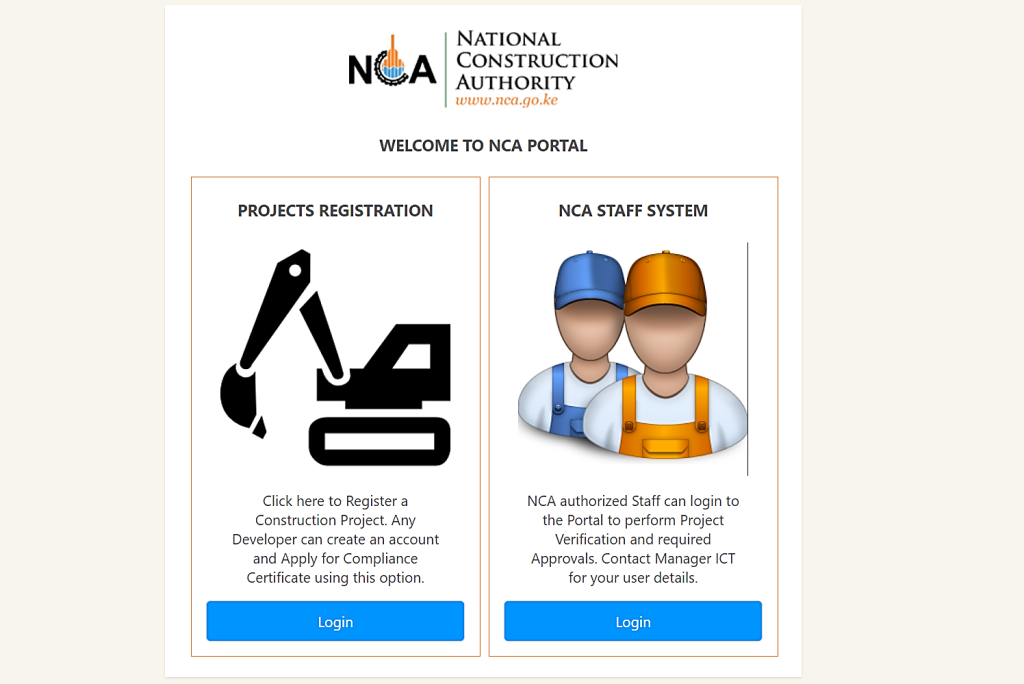
Common Reasons for Approval Delays or Rejections
Delays and rejections in the building approval process are common in Kenya, especially when applicants fail to meet all the required standards or submit incomplete documentation. Understanding these challenges in advance can help you avoid costly setbacks and speed up your approval timeline.
One of the most common reasons for rejection is incomplete documents. Missing items such as title deed copies, structural drawings, or application forms can result in immediate delays as the county requests additional information before proceeding with review.
Another major issue is unauthorized land use. This occurs when a proposed development does not match the designated zoning of the land. For example, attempting to build apartments on land zoned strictly for single-family residential use can lead to outright rejection.
Non-compliance with zoning laws is also a frequent problem. This includes violations of plot ratios, setbacks, and height restrictions set by county authorities such as Nairobi City County or Kisumu County. Even minor deviations from these regulations can halt the approval process.
Poor architectural design is another reason for rejection. Designs that lack proper functionality, safety considerations, or alignment with building codes are often flagged during the review stage. Similarly, missing professional stamps from registered architects or engineers invalidate submissions, as county governments require accountability from certified experts.
To avoid delays, ensure all documents are complete and properly signed before submission. Work only with licensed professionals, confirm zoning compliance early, and double-check all drawings for accuracy. Pre-consulting county planning offices can also help identify potential issues before formal submission, saving both time and money in the approval process.
Cost of Building Approval in Kenya
The cost of building approval in Kenya varies depending on the size, type, and complexity of the proposed development. While there is no fixed national rate, county governments apply standardized formulas to calculate fees based on the project’s estimated value and floor area.
For small residential houses, approval costs are generally lower, often ranging from modest fees that cover plan review, inspection, and permit issuance. Medium-sized developments such as maisonettes or townhouses attract higher charges due to increased structural complexity and documentation requirements. For larger projects like apartment blocks, approval costs are significantly higher because they involve multiple units, more detailed structural assessments, and stricter compliance checks. Commercial buildings such as offices, malls, and mixed-use developments typically incur the highest fees due to their scale and regulatory scrutiny.
Costs also vary between counties. For example, urban counties like Nairobi City County tend to have higher approval fees compared to rural counties due to higher land values, stricter enforcement, and more complex development control regulations. In contrast, rural or less urbanized counties may have relatively lower charges and faster processing times.
Developers should also be aware of hidden costs that are often overlooked. These may include revision fees for resubmitted plans, land rates clearance charges, consultancy fees for professionals, and inspection-related costs during construction.
To reduce approval costs legally, it is advisable to engage qualified professionals early to avoid redesigns, ensure all documents are complete before submission, and comply fully with zoning regulations to prevent penalties or rejections. Proper planning and accurate documentation can significantly reduce unnecessary expenses and speed up the approval process.
14. Timeline: How Long Building Approval Takes in Kenya
The time required to complete the building approval process in Kenya varies depending on the type and complexity of the project, as well as how well-prepared the application is. On average, simple residential houses take about 2 to 4 weeks to receive approval, especially when all documents are complete and compliant from the start.
For larger and more complex developments such as apartments, townhouses, or mixed-use buildings, the process usually takes longer—typically 4 to 8 weeks or more. This is because such projects require detailed reviews from multiple departments, including physical planning, public health, and fire safety.
Several factors influence how fast or slow the approval process moves. The completeness of documents is one of the most important factors; missing or incorrect paperwork often leads to delays or repeated submissions. County efficiency also plays a role, as some counties process applications faster than others due to workload and digital system adoption, such as platforms used by Nairobi e-Development Permit System. Additionally, the experience and professionalism of your consultants—architects and engineers—can significantly speed up the process by ensuring accurate submissions and quick response to revision requests.
Proper preparation and compliance at the early stages can greatly reduce waiting time and help move your project from design to construction smoothly.
Expert Tips to Speed Up Approval Process
Speeding up the building approval process in Kenya largely depends on preparation, professionalism, and proper communication with county authorities. With the right approach, developers can significantly reduce delays and move from planning to construction much faster.
One of the most effective strategies is hiring experienced architects who understand local county requirements. Skilled professionals are familiar with zoning regulations, submission standards, and common approval bottlenecks, which helps avoid unnecessary revisions and rejections.
It is also important to submit complete and accurate documents on the first attempt. Missing drawings, incorrect measurements, or unsigned plans are among the leading causes of delays. A well-prepared submission ensures that the review process moves smoothly without interruptions.
Using e-construction or digital submission portals properly can also speed up approval. Systems such as those used by Nairobi e-Development Permit System allow faster tracking, communication, and feedback from county departments compared to manual submissions.
Pre-consulting county offices before formal submission is another highly effective tip. This allows you to confirm zoning requirements, clarify documentation needs, and identify potential issues early, reducing the chances of rejection later.
Finally, always work with registered professionals who are recognized by relevant regulatory bodies. County governments prioritize applications signed by licensed architects and engineers, which improves credibility and ensures compliance with building standards.
By combining proper planning, expert involvement, and early engagement with county systems, developers can significantly shorten approval timelines and avoid costly setbacks in their construction projects.
Conclusion: Why Proper Approval Saves You Money and Stress
The building approval process in Kenya is not just a formality—it is a crucial safeguard for any construction project. Throughout this guide, we have seen that legal compliance is non-negotiable, and every stage of the process is designed to ensure safety, proper planning, and orderly development. Ignoring or bypassing approval can lead to serious legal and financial consequences that may be difficult to recover from.
Proper planning is one of the most effective ways to prevent losses in construction. When land ownership is verified, professionals are engaged early, and all documents are correctlyprepared, the approval process becomes smoother and faster. This reduces the risk of rejections, redesigns, and costly delays that often inflate project budgets.
Building approval also ensures that construction proceeds in a controlled and structured manner. With approved plans and regular inspections, developers can be confident that their project meets required standards and will be safe for future occupants. This not only protects the investment but also enhances the long-term value of the property.
Ultimately, building approval should be viewed as an investment safeguard rather than an expense. It protects developers from legal risks, ensures quality construction, and increases confidence among buyers, tenants, and financial institutions. In the long run, the cost and effort of proper approval are far outweighed by the security and peace of mind it provides.